
The 'Anti-Nutrient' in Beans and Grains That May Actually Protect Your Gut, According to New Research
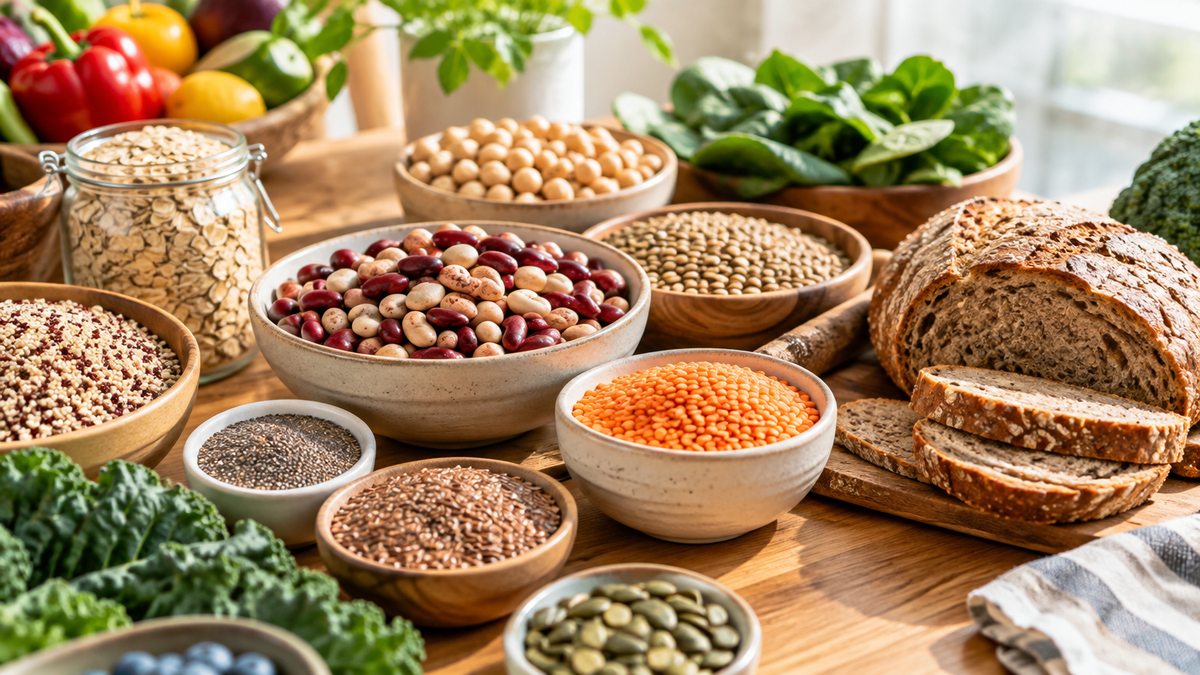
You have probably heard that beans, whole grains, and seeds contain "anti-nutrients" — compounds that interfere with how your body absorbs minerals. Phytic acid is the most frequently cited offender. For years, nutrition debates have centered on whether to soak your lentils, sprout your grains, or avoid legumes altogether. But a landmark study published in the journal Nature Communications is rewriting that conversation entirely.
Researchers at the University of Nevada, Las Vegas have discovered that phytic acid, far from being simply a dietary villain, plays a critical and previously unknown role in maintaining the integrity of the gut lining. The compound activates a key molecular pathway that prevents leaky gut — a condition linked to a wide range of serious illnesses. The implications could reshape both how we think about plant-rich diets and how we treat diseases like inflammatory bowel disease (IBD).
What Is Leaky Gut — and Why Does It Matter?
The intestinal lining is one of the most important protective barriers in the human body. Spanning the length of your small and large intestines, it forms a selective filter: allowing digested nutrients to pass into the bloodstream while keeping harmful substances — bacteria, toxins, and undigested food particles — safely confined within the gut.
When this barrier becomes compromised, the consequences can extend far beyond digestive discomfort. Gaps in the lining allow harmful molecules to slip through into the bloodstream, triggering immune responses and chronic inflammation. This phenomenon, commonly known as leaky gut syndrome or intestinal hyperpermeability, has been linked to a growing list of conditions, including:
- Inflammatory bowel disease (Crohn's disease and ulcerative colitis)
- Irritable bowel syndrome (IBS)
- Celiac disease
- Type 2 diabetes
- Non-alcoholic fatty liver disease
- Neurodegenerative conditions
- Autoimmune disorders
Despite its clinical significance, the molecular mechanisms that keep the gut barrier intact — and what goes wrong when it breaks down — have remained incompletely understood. That is what makes the UNLV findings so important.
Meet Phytic Acid — the Misunderstood Compound in Your Kitchen
Phytic acid is the storage form of phosphorus found in plant seeds. Chemically known as inositol hexaphosphate (InsP6 or IP6), it is naturally present in the outer layers of seeds and concentrated in the bran of grains and the cotyledon layer of legumes. It is also the compound that gave "anti-nutrients" their reputation.
Where Is Phytic Acid Found?
Phytic acid is found in virtually all plant seeds, with the highest concentrations in:
- Whole grains: wheat, oats, corn, brown rice, barley, rye
- Legumes: beans (black, kidney, navy), lentils, chickpeas, soybeans, peas
- Nuts: almonds, walnuts, cashews, peanuts
- Seeds: sunflower seeds, pumpkin seeds, sesame seeds, flaxseeds
Notably, refined grains — white flour, white rice, and processed cereals — contain little to no phytic acid, because the bran layer is removed during milling.
Why Was It Called an Anti-Nutrient?
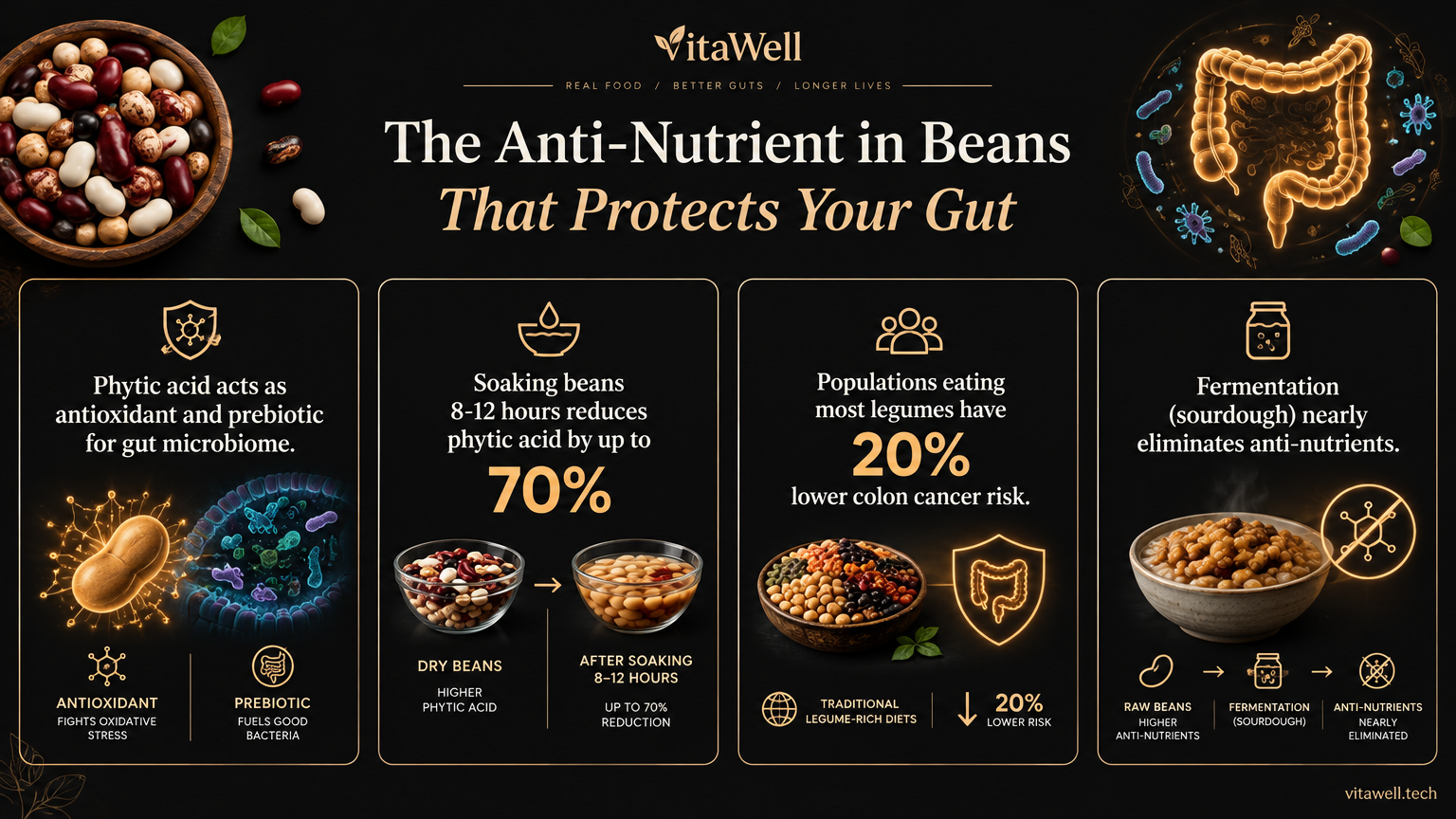
Phytic acid earned its reputation by binding to minerals like iron, zinc, calcium, and manganese in the digestive tract, forming compounds that are excreted rather than absorbed. For people relying heavily on plant foods as their primary source of these minerals, this can reduce mineral bioavailability at a given meal. For example, consuming as little as 5–10 mg of phytic acid can reduce iron absorption by around 50% from that meal.
However, research has shown that in healthy adults eating varied, mixed diets, phytic acid's negative impact on overall mineral status is minimal. Its inhibitory effects are largely limited to the specific meal consumed and do not significantly deplete mineral stores across the whole day. And now, the UNLV study has revealed an entirely different dimension of phytic acid's activity inside the gut itself.
The Breakthrough: How Phytic Acid Protects Your Gut Barrier
Published in Nature Communications on May 28, 2026, and covered by Medical News Today on June 6, 2026, the study from UNLV's Guha Lab — led by postdoctoral fellow Sujan Chatterjee and Assistant Professor Prasun Guha — identified a precise molecular mechanism by which phytic acid maintains intestinal barrier function. The key player is a protein called histone deacetylase 3, or HDAC3.
What Is HDAC3 and Why Does It Matter?
HDAC3 is a cellular regulator that acts as a gatekeeper for gene expression in the gut lining. It controls which genes in intestinal cells are switched on or off — specifically, it suppresses genes that would otherwise cause cell-to-cell junctions to break down. These junctions are the structural glue holding the intestinal lining together. When they are intact, the gut barrier is tight and selective. When they break down, permeability increases and leaky gut results.
"When HDAC3 stops working properly, harmful genes are activated, leading to breakdown of the gut barrier and increased inflammation," explained Dr. Prasun Guha.
How Phytic Acid Activates the Gut's Protective System
The core discovery of the study is that phytic acid is not merely a passive dietary compound — it is an active biological molecule that directly binds to and activates HDAC3. In molecular terms, phytic acid (InsP6) binds to the HDAC3 and corepressor complex and switches on its deacetylase activity. This enables HDAC3 to silence the very genes that would otherwise disrupt intestinal cell junctions.
The mechanism connects cell metabolism to epigenetic gene regulation — meaning that what you eat influences not just your nutrient levels, but how your gut cells express their genetic instructions. Because InsP6 is water-soluble and can be taken orally, the researchers see a realistic path toward developing phytic acid-based therapies.
What the Mouse Study Found
The researchers demonstrated these findings in preclinical mouse models. When the HDAC3 pathway was disrupted, intestinal permeability worsened significantly in mice with IBD-like conditions. Critically, treatment with oral InsP6 reversed this damage — it restored HDAC3 activity, suppressed harmful gene expression, and protected the gut barrier from further breakdown. Remarkably, only very small amounts of InsP6 were required to achieve this protective effect.
What This Could Mean for Inflammatory Bowel Disease
IBD — encompassing Crohn's disease and ulcerative colitis — affects an estimated 6 to 8 million people worldwide. It is characterized by chronic inflammation of the digestive tract and progressive damage to the intestinal lining. While existing treatments can reduce inflammation and manage symptoms, none directly targets the restoration of the gut barrier at the molecular level.
The InsP6-HDAC3 pathway could change that. "Our animal study suggests that targeting this pathway could help conditions like IBD by not only reducing intestinal permeability but also limiting colitis-associated inflammation," Dr. Guha told Medical News Today. Identifying a reversible molecular mechanism underlying gut barrier breakdown is a significant step — it means there is a specific target to aim for in drug development, rather than simply dampening inflammation systemically. Human clinical trials are still needed before any therapeutic use can be established.
Beyond Gut Health — Other Documented Benefits of Phytic Acid
The gut barrier findings are compelling, but they are not the only reason scientists have reassessed phytic acid's reputation. A growing body of research points to several other health-protective properties:
- Antioxidant activity: By binding minerals, phytic acid prevents free radical formation, reducing oxidative stress.
- Cancer risk reduction: Higher dietary intake has been associated with lower rates of breast, prostate, and colon cancer, potentially through enhanced natural killer cell activity.
- Cardiovascular protection: Phytic acid may help prevent arterial hardening and reduce platelet aggregation, both risk factors for heart disease.
- Kidney stone prevention: Phytate excreted in urine may inhibit the formation of calcium oxalate kidney stones.
- Improved glycemic response: Phytic acid slows starch digestion, reducing post-meal blood sugar spikes and potentially benefiting insulin sensitivity.
- Hemochromatosis protection: For people with iron overload conditions, phytic acid's mineral-binding properties can be actively beneficial.
Should You Change How You Eat? Practical Takeaways
The research is exciting, but the authors are clear: eating more beans is not a direct prescription for treating leaky gut or IBD. The therapeutic amounts studied used purified research-grade InsP6, and the path from dietary intake to tissue-level therapeutic effect is complex. That said, the research strongly supports a positive view of plant-rich diets for gut health.
How to Reduce Phytic Acid's Anti-Nutrient Effects
If you want to get the benefits of phytic acid-containing foods while minimizing effects on mineral absorption, try these strategies:
- Soak beans and grains before cooking: Soaking and draining removes approximately 50% of phytic acid, especially effective for legumes.
- Sprout your seeds, grains, and legumes: Sprouting activates native phytase enzymes within the seed, naturally breaking down phytic acid. Sprouted lentils, chickpeas, and wheat berries all have reduced phytate content.
- Ferment your foods: Fermentation — sourdough bread, tempeh, miso, yogurt — dramatically reduces phytic acid through microbial phytase activity. Sourdough fermentation can degrade nearly all phytic acid in wheat flour.
- Pair with vitamin C-rich foods: Vitamin C is one of the most effective counteragents to phytic acid's mineral-binding effect. Add bell pepper, citrus, strawberries, or broccoli to plant-based iron-rich meals.
- Cook thoroughly: Heat destroys some phytic acid and improves overall nutrient availability.
- Vary your diet: Eating a diverse range of foods means no single source dominates your phytate intake.
Who Should Be More Careful?
Most healthy adults eating varied diets have little cause for concern. However, certain groups may benefit from more strategic planning:
- People with confirmed iron-deficiency anemia — high phytate intake may worsen iron status; focus on absorption-enhancing strategies.
- Infants and young children transitioning to solid foods — iron needs are critical at this stage; pair phytate-rich foods with vitamin C.
- People with IBD or chronic malabsorption — nutrient absorption may already be compromised; speak with a healthcare provider.
What Comes Next — From Mouse Study to Human Therapy
The UNLV research team has identified a clear path forward. The next steps involve determining the minimum effective dose of InsP6 in animal models, followed by safety and efficacy testing in human clinical trials. Future therapeutic applications may take the form of targeted phytic acid supplements or specially formulated medications, rather than dietary changes alone.
"To achieve consistent therapeutic effects, we will likely need targeted supplementation or medical formulations," Dr. Guha said. "Factors like absorption, metabolism, and disease state vary widely between individuals." The international scope of the research collaboration — spanning UNLV, the University of Freiburg, University College London, and Washington University School of Medicine — underscores the significance of the findings to the global scientific community.
As Dr. Guha put it: "The future of medicine may lie at the intersection of nutrition, metabolism, and epigenetics."
Conclusion
Phytic acid has spent decades misunderstood. Labeled a dietary villain for blocking mineral absorption, it was the reason wellness circles told you to soak your beans and avoid bran. But science rarely stays simple. The new UNLV research demonstrates that this same compound — present in some of the world's most nourishing foods — is a biologically active molecule with a specific and critical role in maintaining the gut lining from the inside out.
The story of phytic acid is a reminder that nutrition science is constantly evolving. The foods demonized in one era often turn out to have benefits we had not yet discovered. For now, the clearest takeaway is also the most enduring one: a varied, plant-rich diet remains one of the best investments you can make in your long-term health — and science is only beginning to understand all the ways it works.
Sources
Medical News Today — Plant foods contain a compound that may strengthen the gut barrier