How Sticking to a Daily Routine Can Reduce Pain and Depression, According to Science
New research: consistent daily routines reduce pain by 5.84 points and depression scores. The zeitgeber mechanism explained + 5-step anchoring protocol.
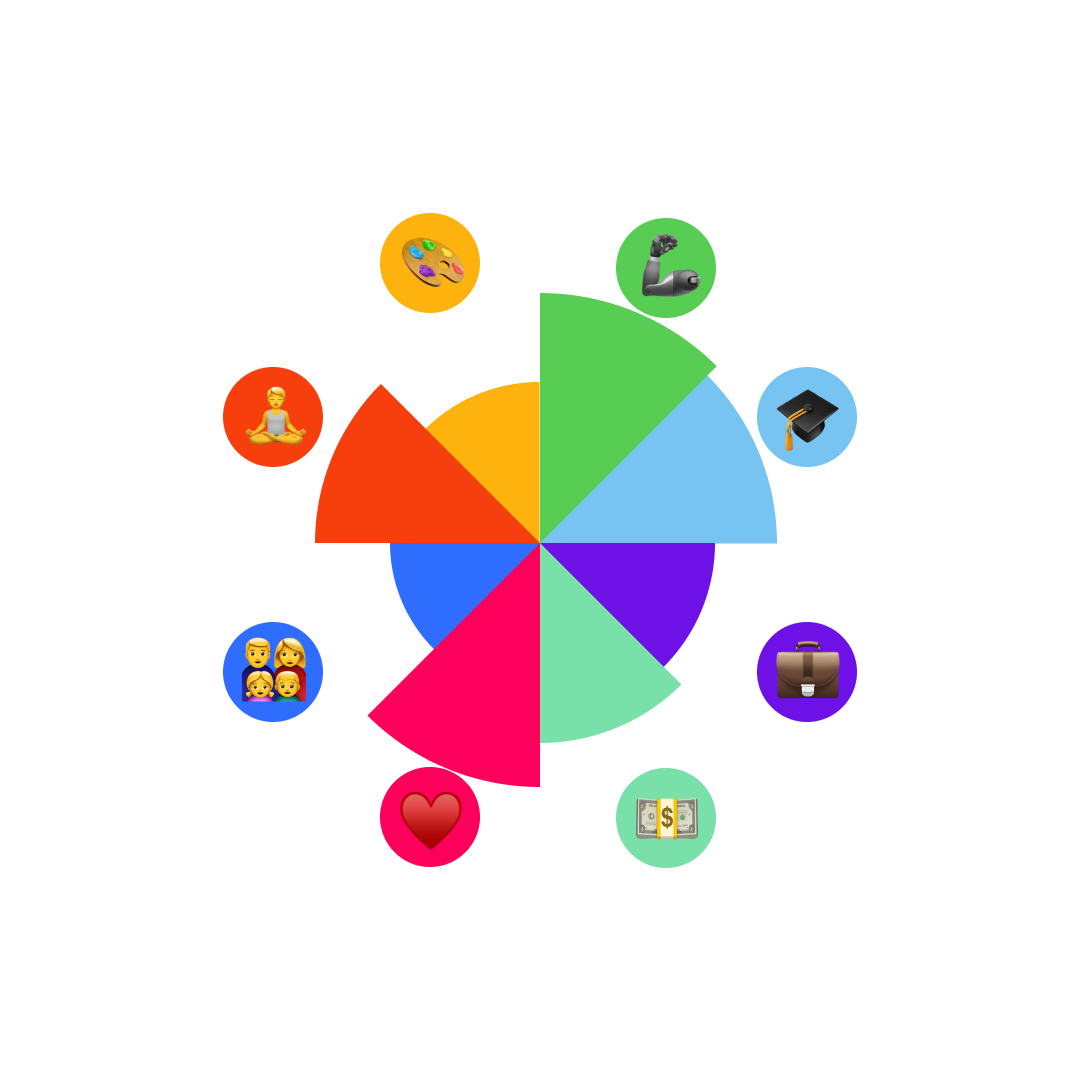

New research: consistent daily routines reduce pain by 5.84 points and depression scores. The zeitgeber mechanism explained + 5-step anchoring protocol.
If you regularly eat late and sleep late, you may be 1.7x more likely to have multiple metabolic syndrome risk factors. Here's what the science says and what to do about it.
Humor in job ads feels clever, but new 2026 research shows it lowers application intent and raises doubts about fair hiring. Here's what the evidence says actually works in a job description.

New research shows MHT's brain-protective effect depends on menopause type, timing, and genetics — with up to 43% dementia risk reduction for the right candidates. Here's what three 2026 studies found.
Most people mistake passive activities for rest. Research shows 75% of workers struggle to mentally detach from work — and the consequences show up in sleep, concentration, and mental health. Here's the science of truly switching off.
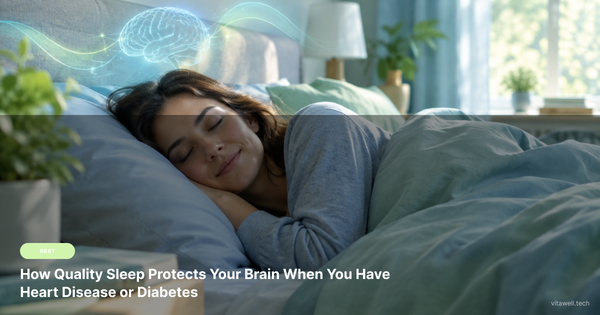
New UK Biobank research (408,977 adults) shows that quality sleep counteracts the brain-damaging effects of heart disease, diabetes, and stroke—protecting both brain volume and cognition.

Research-backed guide to how couples build shared microcultures — and why it predicts relationship satisfaction more reliably than communication alone.

Professional agility is the new career superpower. With AI reshaping work faster than ever, here's the research-backed framework for building it — for yourself and your team.

A landmark 11,416-person study reveals that most adults feel significantly closer to their future self than their past self — and the gap shapes how we decide, invest, and grow.
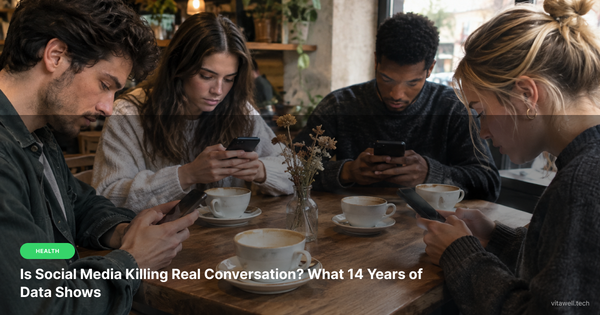
A 2026 study tracking 2,200 people found Americans speak about 3,300 fewer words daily than in 2005 — and the story of why is more nuanced than 'social media is the culprit.'
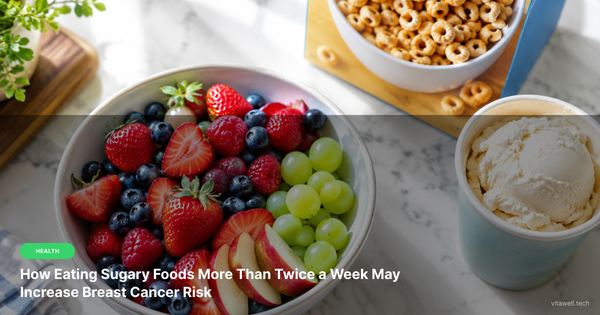
New research finds eating high-sugar processed foods more than twice a week raises breast cancer risk by 28% — but fruit consumption shows no link. Here's what the science says and what to do next.

New longitudinal data shows heavy AI companion use erodes the social skills that make real relationships possible — through the same mechanism CBT identified for social anxiety decades ago.