
The Complete Guide to Vitamins: What They Do, Why You Need Them, and How to Take Them
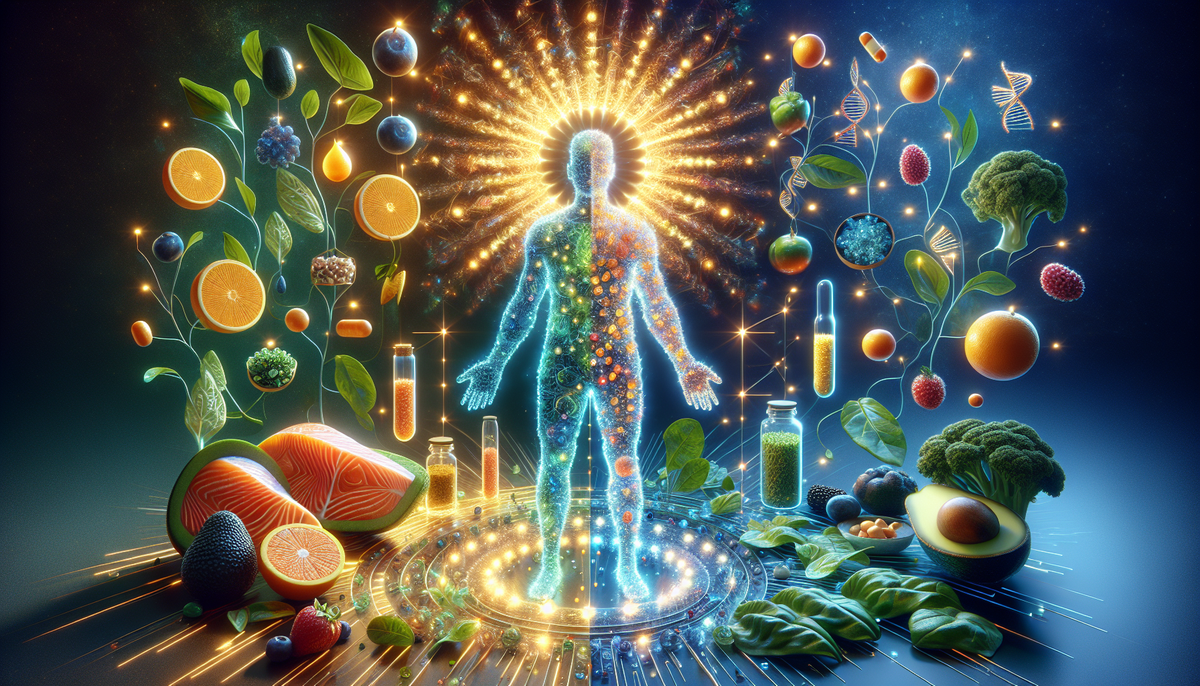
In the pursuit of optimal Health, we often focus on macronutrients like protein, carbs, and fats. But the true unsung heroes of our well-being are vitamins—micronutrients that orchestrate a vast array of bodily functions. This guide will illuminate the vital role of vitamins, explaining what they do, why you need them, and how to ensure you're getting enough to support your long-term vitality.
What Are Vitamins and Why Are They Essential?
Vitamins are organic compounds that our bodies need in small amounts to function correctly. They are the catalysts for countless biochemical reactions that support everything from energy production to immune defense. There are two main categories of vitamins:
- Fat-Soluble Vitamins: These—vitamins A, D, E, and K—are stored in the body's fatty tissues and liver. They are best absorbed when consumed with a source of fat.
- Water-Soluble Vitamins: This group includes vitamin C and the B-complex vitamins. They are not stored in the body and any excess is typically excreted through urine, which means they need to be replenished more frequently.
Without an adequate intake of these essential nutrients, you risk developing deficiencies that can impair your energy levels, weaken your immunity, and compromise your long-term health. Understanding their roles is the first step toward harnessing their power.
The Complete Guide to Essential Vitamins
Vitamin A (Retinol)
What it does and why you need it: Vitamin A is crucial for maintaining healthy vision, supporting a robust immune system, and ensuring proper cell growth and differentiation. It also plays a key role in skin health. Why you need it: It helps you see in low light and protects a healthy immune system. Signs of deficiency: Dry eyes, night blindness, and increased susceptibility to infections. Daily requirements are 700-900 micrograms (mcg) for adults. Best food sources: Carrots, sweet potatoes, spinach, and liver. Supplement tips: As a fat-soluble vitamin, take it with a meal that includes dietary fat to enhance absorption.
Vitamin C (Ascorbic Acid)
What it does and why you need it: A powerful antioxidant, vitamin C protects cells from damage, supports the immune system, and is essential for collagen production—the protein that forms skin, tendons, and ligaments. Why you need it: It helps repair tissues and reduce oxidative stress. Signs of deficiency: Fatigue, swollen gums, and easy bruising (in severe cases, scurvy). Adults need 75-90 milligrams (mg) per day. Best food sources: Citrus fruits, bell peppers, strawberries, and broccoli. Supplement tips: Your body doesn't store vitamin C, so consistent daily intake is important. Buffered forms can be gentler on the stomach.
Vitamin D (The "Sunshine" Vitamin)
What it does and why you need it: Vitamin D is essential for calcium absorption, making it critical for bone health. It also modulates immune function and supports mood regulation. Why you need it: It prevents bone loss and supports a healthy immune response. Signs of deficiency: Bone pain, muscle weakness, and an increased risk of fractures. The recommended daily intake is 15-20 mcg (600-800 IU). Best food sources: Fatty fish (salmon, mackerel), fortified milk, and sunlight exposure. Supplement tips: Many people are deficient, especially in winter. Vitamin D3 is the most effective form for supplements.
Vitamin E (Tocopherol)
What it does and why you need it: Another potent antioxidant, vitamin E protects cell membranes from oxidative damage. It's also involved in immune function and blood vessel health. Why you need it: It helps fight off cell-damaging free radicals. Signs of deficiency: Nerve and muscle damage, vision problems, and a weakened immune system. Adults need about 15 mg daily. Best food sources: Almonds, sunflower seeds, spinach, and avocados. Supplement tips: Look for supplements that contain natural "d-alpha-tocopherol" rather than the synthetic "dl-alpha-tocopherol."
Vitamin K
What it does and why you need it: Vitamin K is vital for blood clotting and plays a key role in bone metabolism by helping to activate proteins required for bone mineralization. Why you need it: It ensures blood clots properly and helps maintain strong bones. Signs of deficiency: Easy bruising and excessive bleeding. Daily needs are 90-120 mcg for adults. Best food sources: Leafy green vegetables like kale, spinach, and collard greens. Supplement tips: If you're on blood thinners, consult your doctor before taking vitamin K supplements.
The B-Complex Vitamins
The B-vitamins are a group of eight essential nutrients that are crucial for energy metabolism, brain function, and cellular health. B1 (Thiamine): Converts food into energy. Found in whole grains and pork. B2 (Riboflavin): Supports energy production and antioxidant defense. Found in dairy products and lean meats. B3 (Niacin): Essential for converting food to energy and repairing DNA. Found in chicken, turkey, and fish. B5 (Pantothenic Acid): Necessary for making blood cells and converting food into energy. Found in a wide variety of foods. B6 (Pyridoxine): Involved in over 100 enzyme reactions, mostly concerning protein metabolism. Found in chickpeas and salmon. B7 (Biotin): Known for its role in healthy hair, skin, and nails. Found in eggs and nuts. B9 (Folate): Crucial for cell growth and DNA formation. Found in leafy greens and legumes. B12 (Cobalamin): Essential for nerve function and the formation of red blood cells. Found almost exclusively in animal products.
How to Get the Vitamins You Need
The best way to get a full spectrum of vitamins is through a "food-first" approach. A colorful, balanced diet is your best defense against deficiencies. Here are some vitamin-packed foods to prioritize:
- Leafy Greens: Spinach, kale, and other greens are rich in vitamins A, C, K, and folate.
- Brightly Colored Fruits and Vegetables: Berries, citrus fruits, and bell peppers are packed with vitamin C.
- Fatty Fish: Salmon, mackerel, and sardines are excellent sources of vitamin D and B-vitamins.
- Nuts and Seeds: Almonds and sunflower seeds provide plenty of vitamin E.
- Legumes: Beans and lentils are a great source of B-vitamins, especially folate.
Consider a supplement only when you have identified a specific nutrient gap due to dietary restrictions, lifestyle, or a diagnosed deficiency. When choosing a supplement, look for brands that have been third-party tested for quality and purity.
Maximizing Vitamin Absorption and Effectiveness
Taking your vitamins correctly can significantly impact their effectiveness. Here are some practical tips:
- Pair with Fat: Always take fat-soluble vitamins (A, D, E, K) with a meal or snack that contains fat, like avocado or nuts.
- Combine for Synergy: Vitamin C enhances the absorption of iron from plant-based foods.
- Time it Right: B-vitamins are known for their role in energy production, so taking them in the morning is often a good idea.
Conclusion
Vitamins are fundamental to your Health and well-being. By prioritizing a nutrient-dense diet and understanding how to fill any potential gaps with supplements, you can support your body's intricate systems for a life of energy and vitality. Always consult with a healthcare professional before beginning a new supplement regimen to ensure it aligns with your unique needs. Your long-term health is worth the investment.
National Academies of Sciences, Engineering, and Medicine. (2006–2011). Dietary Reference Intakes (DRIs): The Essential Guide to Nutrient Requirements. Washington, DC: National Academies Press.