
How Your Gut Controls Your Memory: The Gut-Brain Connection Explained
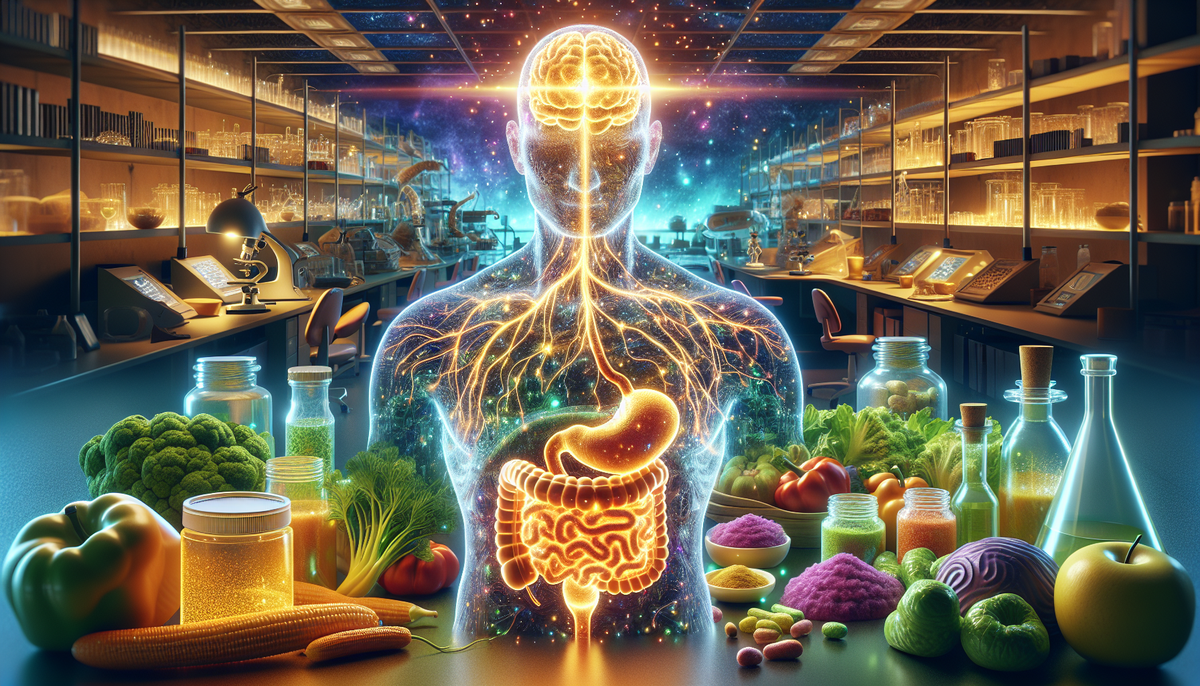
When we think about protecting our memory and cognitive health, we typically think about brain training, education, or perhaps exercise. But one of the most fascinating and rapidly advancing frontiers in neuroscience points to an unlikely organ as central to cognitive wellbeing: the gut. A growing body of research — including a landmark 2026 study from Stanford University — is revealing that your gut microbiome directly influences how your brain forms, stores, and retrieves memories. Understanding this connection may open some of the most accessible and practical pathways to protecting your cognitive health as you age.
The Surprising Link Between Gut Health and Brain Function
The gut and the brain are connected through an intricate, bidirectional communication network known as the gut-brain axis. This system encompasses the vagus nerve, the immune system, the endocrine system, and the enteric nervous system — the extensive network of neurons embedded in the walls of the gastrointestinal tract, sometimes called the “second brain.” The enteric nervous system contains approximately 100 to 500 million neurons, communicating constantly with the central nervous system through hormones, metabolites, and neural signals.
At the center of this communication network is the gut microbiome — the vast community of trillions of bacteria, fungi, and other microorganisms living in your digestive tract. Far from being passive passengers, these microorganisms actively produce neuroactive compounds, modulate the immune system, regulate inflammation, and influence the very structure and function of the brain. Recent research has elevated the microbiome from a digestive curiosity to a central player in neurological health, learning, and memory.
How the Vagus Nerve Acts as a Communication Highway
The Anatomy of Gut-Brain Signaling
The primary physical channel between the gut and the brain is the vagus nerve — the longest cranial nerve in the body, running from the brainstem all the way to the abdomen. The vagus nerve carries signals in both directions: from the brain to the gut (influencing digestion, gut motility, and immune activity) and critically, from the gut to the brain (relaying information about the gut environment, microbiome state, and inflammatory signals to the central nervous system).
Gut microorganisms communicate with the brain through several pathways. The metabolites they produce — particularly short-chain fatty acids (SCFAs) like butyrate and propionate, generated through microbial fermentation of dietary fiber — can cross the blood-brain barrier and directly modulate neuroinflammation, neurotransmitter release, and synaptic function. These SCFAs interact with receptors in the brain that regulate mood, cognitive function, and memory consolidation. Gut bacteria also influence the production of serotonin (approximately 90% of which is produced in the gut), GABA, and other neurotransmitters that directly affect brain function.
The Stanford 2026 Breakthrough
A landmark 2026 study from Stanford University provided some of the clearest evidence yet for a direct causal link between gut microbiome composition, vagus nerve signaling, and memory. The researchers found that age-related changes in gut microbiota composition trigger an inflammatory response that progressively impairs the vagus nerve's ability to signal to the hippocampus — the brain region most critical for forming new memories. As the vagus nerve-hippocampus communication degrades, so does the ability to encode and retrieve memories.
Crucially, when the researchers used vagus nerve stimulation to bypass the compromised gut-brain signaling, they were able to restore memory function in older animals to levels comparable with younger animals. The study also identified a specific bacterium, Parabacteroides goldsteinii, that increases in abundance with normal aging and is directly associated with cognitive decline. When young mice were colonized with this bacterial species, their performance on memory and maze tasks was significantly impaired — demonstrating a causal rather than merely correlational relationship between microbiome composition and cognitive function.
What Age-Related Changes in the Gut Microbiome Look Like
The gut microbiome is not static. It changes throughout life in response to diet, stress, illness, medications, and the aging process itself. As people age, the microbiome tends to undergo predictable changes that have concerning implications for brain health. These include a reduction in overall microbial diversity, a decline in the populations of beneficial, anti-inflammatory bacteria (such as Lactobacillus and Bifidobacterium species), an increase in pro-inflammatory bacterial species, and a corresponding rise in systemic low-grade inflammation — sometimes called “inflammaging.”
The impact of these changes extends beyond digestion. As the balance of the microbiome shifts, the production of beneficial short-chain fatty acids declines, vagus nerve signaling is impaired, and the brain receives a less favorable neurochemical environment for memory formation and maintenance. Understanding these changes suggests a clear preventive strategy: supporting microbiome health throughout life is not just good for your digestion — it is an investment in cognitive longevity.
Practical Daily Habits to Support a Healthy Gut Microbiome
Diet: The Foundation of Microbiome Health
The most powerful modifiable influence on gut microbiome composition is diet. The Mediterranean diet — high in vegetables, legumes, whole grains, olive oil, nuts, and fish, with moderate fermented dairy — is consistently associated with greater microbial diversity, lower inflammation, and better cognitive outcomes. Fermented foods in particular — yogurt, kefir, kimchi, sauerkraut, miso, and kombucha — introduce live beneficial bacteria directly into the gut while also producing compounds that support brain health. High-fiber foods feed the bacteria that produce neuroprotective short-chain fatty acids. Conversely, ultra-processed foods, excess sugar, and artificial sweeteners are associated with reduced microbial diversity and increased gut inflammation.
Sleep, Exercise, and Stress Management
Gut microbiome health is also powerfully influenced by sleep, physical activity, and stress levels — three factors that are themselves interconnected. Quality sleep supports microbiome recovery and the circadian rhythm of gut bacteria. Regular exercise is associated with greater microbial diversity and higher levels of butyrate-producing bacteria. Chronic psychological stress disrupts the gut-brain axis directly, altering gut permeability and microbiome composition in ways that increase neuroinflammation. Managing stress through mindfulness, exercise, or social support is therefore not just a psychological intervention — it is a microbiome intervention.
A Daily Routine for Gut-Brain Health
The following evidence-based daily habits support microbiome health in ways that have documented benefits for cognitive function:
- Eat at least 30 different plant foods per week to maximize fiber variety and microbial diversity
- Include at least one serving of fermented food daily (yogurt, kefir, kimchi, or similar)
- Prioritize 7 to 9 hours of quality sleep to support gut microbiome circadian rhythms
- Engage in regular aerobic exercise (at least 150 minutes per week)
- Practice a daily stress-reduction activity such as meditation, breathing exercises, or time in nature
- Minimize ultra-processed foods, excess sugar, and unnecessary antibiotic use
- Stay well hydrated, as water is essential for gut motility and bacterial health
- Consider probiotic and prebiotic supplementation in consultation with a healthcare provider, particularly after antibiotic treatment or if dietary diversity is limited
What This Means for the Future of Preventing Memory Decline
The Stanford research and the broader field of gut-brain neuroscience are pointing toward a revolution in how we approach cognitive aging and memory decline prevention. Vagus nerve stimulation — already FDA-approved for depression, epilepsy, and stroke recovery — is being actively studied for its potential to slow or reverse cognitive decline by restoring the gut-brain communication pathways that aging disrupts. Microbiome-targeted interventions, including specific probiotic strains, fecal microbiome transplants, and dietary protocols designed to restore beneficial bacterial populations, represent one of the most promising frontiers in the prevention of neurodegenerative conditions.
What you can do today, however, does not require waiting for these therapeutic advances. The daily habits that support a healthy, diverse gut microbiome — varied plant-rich diet, fermented foods, quality sleep, regular exercise, and stress management — are among the most evidence-aligned investments you can make in your long-term cognitive health. The gut-brain connection is no longer a fringe theory. It is mainstream neuroscience. And protecting your brain may begin, quite literally, in your gut.