
Spices and “Functional” Foods: Where the Evidence Ends
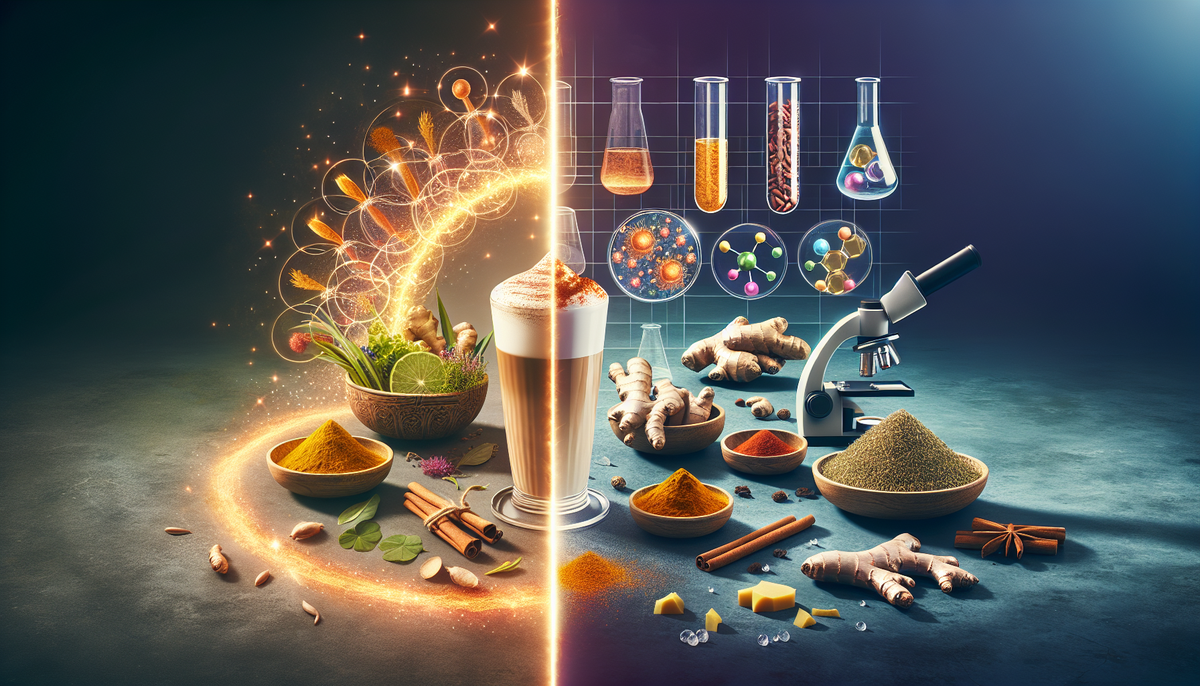
The wellness industry has transformed how we think about food. Walk through any grocery store, and you'll encounter products emblazoned with promises of enhanced immunity, improved cognitive function, and disease-fighting properties. Turmeric lattes sit beside ginger shots, while cinnamon supplements line pharmacy shelves next to conventional medications. The message is clear: certain foods possess near-magical healing powers that can transform your health.
But where does legitimate nutritional science end and marketing hyperbole begin?
Understanding "Functional Foods" and "Superfoods"
Before examining specific claims, we must establish clear definitions. The terms "functional foods" and "superfoods" are often used interchangeably, but they carry different meanings, legitimacies, and scientific foundations. Distinguishing between these concepts helps us evaluate health claims more critically.
What Are Functional Foods?
Functional foods represent a legitimate category within nutritional science. According to health researchers and organizations like Healthline, functional foods are those that provide health benefits extending beyond basic nutritional value. They contain bioactive compounds that may positively influence bodily functions, potentially reducing disease risk or enhancing physiological performance.
The "Superfood" Label: Marketing vs. Science
Unlike functional foods, the term "superfood" carries no scientific definition or regulatory meaning. Medical News Today and numerous other authoritative sources confirm that "superfood" is primarily a marketing term—a label designed to sell products rather than communicate scientific reality.
The Power of Spices: A Closer Look at the Evidence
Spices occupy a fascinating position in the functional food conversation. They've been used medicinally for thousands of years across virtually every culture, and modern research has identified bioactive compounds that explain some traditional applications. Yet the gap between traditional use, laboratory findings, and practical dietary benefit remains significant.
Turmeric and Curcumin: The Anti-Inflammatory Myth?
Turmeric has achieved celebrity status in the wellness world. This golden spice, derived from the Curcuma longa plant, has been used in Ayurvedic medicine for centuries and now appears in everything from supplements to smoothies to skin care products. The primary bioactive compound in turmeric is curcumin, which comprises roughly 2-5% of the spice by weight.
Ginger: From Nausea Relief to Muscle Soreness
Ginger presents a more nuanced case than turmeric. This aromatic root has the strongest traditional evidence base for specific applications, particularly nausea relief, and modern research has validated some of these uses.
Cinnamon and Blood Sugar Control
Cinnamon's health claims center primarily on blood sugar regulation—a claim with potentially significant implications for the millions of people managing diabetes or prediabetes. The research here illustrates how nuanced evidence becomes when we examine it carefully.
The Gap Between Lab and Life: Why You're Not Getting the Full Effect
Understanding why promising research doesn't translate to dietary benefits requires examining three interconnected concepts: dosage, bioavailability, and dietary synergy. These factors collectively explain why sprinkling turmeric on your dinner won't replicate results from clinical trials.
The Dosage Dilemma: Lab vs. Kitchen
The most fundamental disconnect between laboratory research and dietary reality lies in dose. Scientists studying bioactive compounds use concentrated, isolated forms at quantities impossible to achieve through normal eating.
Bioavailability: The Body's Absorption Challenge
Even if you could consume research-level doses of bioactive compounds through diet, your body wouldn't absorb them efficiently. Bioavailability—the proportion of a substance that reaches systemic circulation and can exert biological effects—poses a major barrier to realizing dietary health claims.
The Synergy of a Balanced Diet
Given the limitations of individual compounds and foods, what dietary approach actually promotes health? The evidence consistently points toward overall dietary patterns rather than specific foods or supplements.
Conclusion: Evidence-Based Perspective on Functional Foods
The functional food and superfood narrative appeals to our desire for simple solutions to complex health challenges. We want to believe that adding turmeric to our diet will prevent disease, that ginger supplements will resolve chronic pain, that cinnamon will regulate our metabolism. These beliefs are understandable but largely unsupported by evidence.
The path to optimal health runs not through superfood supplements or turmeric lattes but through sustained patterns of healthy eating combined with physical activity, adequate sleep, stress management, and meaningful social connections. These lifestyle factors, consistently maintained over time, produce health benefits that no supplement can match.
Gibson, G. R., & Williams, C. M. (Eds.). (2000). Functional Foods: Concept to Product. Cambridge, UK & Boca Raton, FL: Woodhead Publishing / CRC Press.
ISBN: 978-1-85573-503-3