
Cruciferous Vegetables and Detox Myths
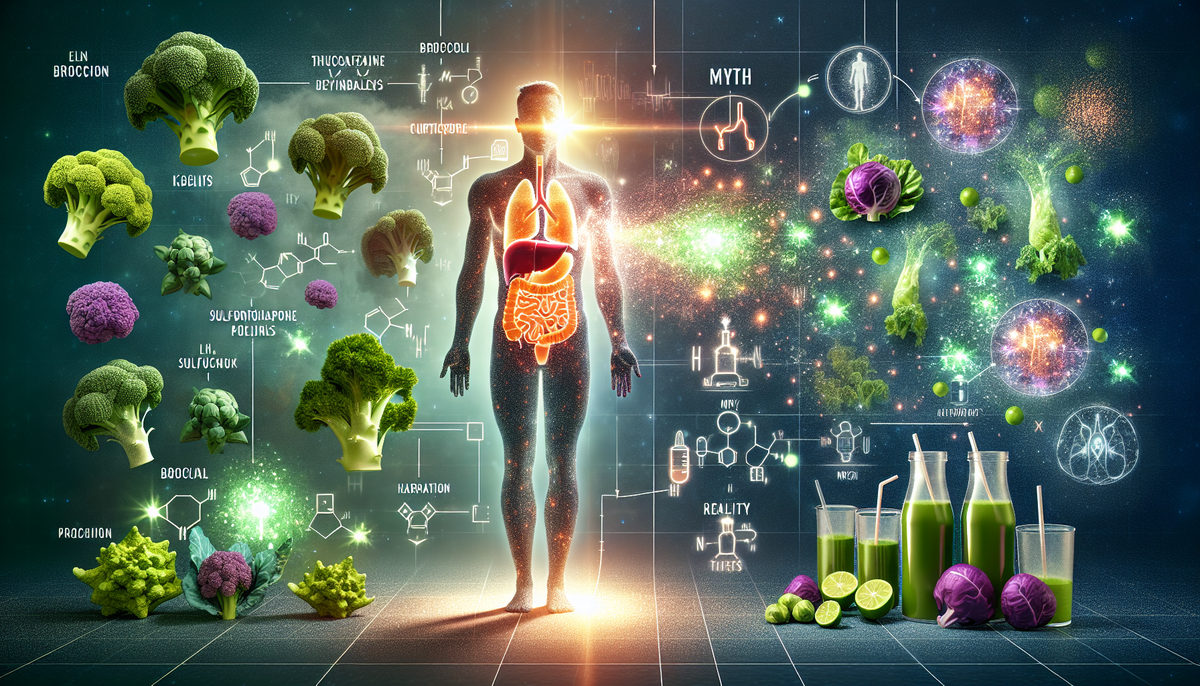
The word “detox” is everywhere. From celebrity-endorsed juice cleanses to miracle powders promising to flush toxins from your body, the concept has become a wellness industry giant. But what if we told you that your body already has a master detoxification system? And what if the key to supporting it wasn't a punishing, restrictive diet, but a group of humble vegetables you can find in any grocery store?
This article separates the science from the pseudoscience, exploring the real story behind cruciferous vegetables and the pervasive myths of detoxing. We'll dive into what "detox" actually means in a biological context and how vegetables like broccoli and cabbage play a powerful, supportive role in your long-term Health.
What "Detox" Really Means (And What It Doesn't)
Before we can appreciate the role of cruciferous vegetables, we must first clear up what detoxification is.
The Pseudoscience of "Cleanses" and "Flushes"
The popular narrative of a "detox" often involves eliminating vaguely defined "toxins" that have supposedly built up in our system. These commercial cleanses and diets are based on the idea that you can—and must—periodically flush your organs. However, there is virtually no scientific evidence to support the existence of these "toxins" or the effectiveness of these products. The human body is not a plumbing system that gets clogged. This concept is a marketing fabrication, not a medical reality.
The Body's Built-In Detoxification System
True detoxification is a constant, ongoing metabolic process handled primarily by two incredible organs: your liver and your kidneys. The liver, a complex chemical processing plant, neutralizes harmful substances (like alcohol, medication byproducts, and metabolic waste), while the kidneys filter your blood and excrete this waste via urine. This system is incredibly efficient and works 24/7 to keep you healthy. It doesn't need "flushing." What it needs is proper nutritional support.
Cruciferous Vegetables to the Rescue: Meet the Compounds
This is where cruciferous vegetables come in. They don't perform a detox; they provide the raw materials your body needs to run its own detoxification processes effectively.
Introducing the Cruciferous Family
This family of vegetables is part of the "Brassicaceae" genus and is known for its distinct, slightly bitter flavor. Common members include:
- Broccoli and broccoli sprouts
- Cauliflower
- Cabbage (red and green)
- Kale
- Brussels sprouts
- Bok choy
- Arugula
The Power of Glucosinolates and Sulforaphane
The magic of cruciferous vegetables lies in their unique chemical compounds. They are rich in sulfur-containing compounds called glucosinolates. When you chop, chew, or digest these vegetables, an enzyme called myrosinase is released, which converts glucosinolates into various active compounds, most notably sulforaphane. Sulforaphane is a potent activator of the body's protective systems and has been the subject of extensive health research.
Indole-3-Carbinol and Hormone Balance
Another powerful compound formed from glucosinolates is indole-3-carbinol (I3C). Research shows that I3C plays a crucial role in helping the liver metabolize hormones, particularly estrogen. By promoting a healthier balance of estrogen metabolites, it contributes to overall hormonal health, which is another facet of the body's internal balancing and "detox" system.
The Real Science: How These Vegetables Support Your Liver
So, how do sulforaphane and I3C actually help your liver do its job? The process is fascinating and involves a two-step neutralization pathway.
A Two-Phase Process
Think of your liver's detoxification process in two phases:
- Phase I (Activation): Enzymes take harmful, fat-soluble toxins and make them more reactive and water-soluble. This is a necessary first step, but it can sometimes create unstable molecules known as free radicals.
- Phase II (Neutralization): Another set of enzymes takes these reactive molecules and conjugates them with other substances, making them harmless and ready to be excreted from the body through bile or urine.
For optimal health, both phases need to work in balance.
Fueling the Detox Engine
This is where cruciferous vegetables shine. Sulforaphane is a powerful activator of the Nrf2 pathway, which is often called the "master regulator" of cellular defense. Activating this pathway boosts the production of Phase II enzymes.
This is crucial because it helps neutralize the reactive compounds generated in Phase I quickly and efficiently. Indole-3-carbinol also provides support for enzymes in both phases. In essence, these compounds don't do the detoxing—they fuel the engine that does.
It's Not a Quick Fix, It's Consistent Support
The benefits of cruciferous vegetables are not achieved through a three-day juice fast. They come from incorporating these foods into your diet consistently. Regular consumption provides your liver with a steady supply of the compounds it needs to function optimally day in and day out. This is a core principle of the Health sphere: sustainable habits, not short-term fixes, are what build lasting well-being.
Practical Ways to Boost Your Body's Natural Detox
Supporting your body's health is about a holistic lifestyle, not a single food.
How to Eat More Cruciferous Vegetables
Here are some easy ways to get more of these powerhouse vegetables into your meals:
- Lightly steam or roast broccoli and cauliflower as a side dish.
- Add chopped kale or arugula to your salads and smoothies.
- Use cabbage leaves as wraps for tacos or sandwiches.
- Sauté shredded Brussels sprouts with garlic and olive oil.
- Fact: To maximize sulforaphane, chop the vegetables and let them sit for a few minutes before cooking.
Beyond Vegetables: A Holistic Approach to Health
While cruciferous vegetables are fantastic, they work best as part of an overall healthy lifestyle. Remember to also prioritize:
- Hydration: Drink plenty of water to help your kidneys flush out waste.
- Quality Sleep: Your brain and body perform crucial cleanup activities while you sleep.
- Regular Exercise: Sweating is another route for eliminating some waste products.
- Limiting Toxin Intake: Reduce your liver's workload by moderating alcohol and processed food consumption.
Conclusion
Let's ditch the detox myths for good. Your body is equipped with a sophisticated, powerful detoxification system that works tirelessly on your behalf. The secret to supporting it isn't found in a bottle or a box, but in your grocery cart. Cruciferous vegetables like broccoli, cabbage, and kale are not a magic bullet, but they are scientifically shown to provide compounds that fuel and optimize your liver's natural detoxifying pathways. So, instead of chasing the next quick-fix cleanse, focus on building a sustainable habit of eating a diet rich in these vegetables. That is the true path to supporting your body's health and vitality.