Your Sleep App May Be Making Your Insomnia Worse — What New Research Shows
Millions of people strap on a smartwatch or open a sleep app every night hoping to finally understand — and fix — their sleep. But new research published in Frontiers in Psychology suggests this well-intentioned habit may be actively working against those who need help most. For people who already struggle with insomnia, tracking sleep data appears to increase worry, heighten anxiety, and potentially deepen the very problem they are trying to solve. Here is what the science shows, who is most at risk, and what actually works instead.
Why So Many People Track Their Sleep
The sleep technology market has exploded in the past decade. Smartwatches, dedicated sleep rings, bedside trackers, and free smartphone apps have made sleep monitoring accessible to virtually everyone. The appeal is understandable: after a string of exhausting nights, the idea of having data — stages, scores, trends — feels like taking back control.
The promise of sleep apps is enticing: understand exactly what is happening when you close your eyes, pinpoint problems, and optimize your rest. According to the 2026 Norwegian study, 46 percent of adults already use or have used a sleep app — and adoption is rising fastest among younger generations, with 57 percent of 18 to 35 year olds using them regularly.
What the New Study Found
The Study Design
Researchers recruited 1,002 Norwegian adults for a cross-sectional online survey, published in Frontiers in Psychology in 2026. The sample was demographically balanced (50.1% male, mean age 48.8 years) and weighted to reflect the broader Norwegian population. Participants were asked about their sleep app usage, perceived effects on sleep quality, and whether they experienced worry or distress as a result of using these tools.
Who Benefits — and Who Is Harmed
The results revealed a split picture. Among app users, 48.1 percent said the biggest benefit was simply learning about their own sleep — understanding patterns, timing, and habits. About 43.5 percent found them useful in general, and 15 percent reported that their sleep actually improved.
But the numbers on the other side are telling. 17.8 percent of users reported increased worry about their sleep after using apps. 14 percent said apps made them feel something was wrong with their sleep. Only 2.3 percent said their sleep quality worsened directly — but the anxiety and rumination effects were far more widespread.
Insomnia Sufferers Face the Highest Risk
The study found a clear and statistically significant divide: people with insomnia symptoms scored substantially higher on the negative effects scale compared to good sleepers (11.63 vs. 10.20, p less than 0.001). They were more likely to report worrying about their sleep data, more likely to believe something was medically wrong with them, and more likely to experience the feedback as distressing rather than motivating.
The Age Paradox — Younger Adults Are Hit Hardest
One of the most striking findings is the age pattern. Younger adults (18 to 35) are the most enthusiastic adopters of sleep technology — yet they are also the most negatively affected by it. About 23 percent of young users reported that apps stressed them out about their sleep, compared to just 2.4 percent of users over 66. Younger adults scored higher on both positive and negative effects, suggesting they are more emotionally reactive to the data in both directions.
What Is Orthosomnia? The New Diagnosis Clinicians Are Watching
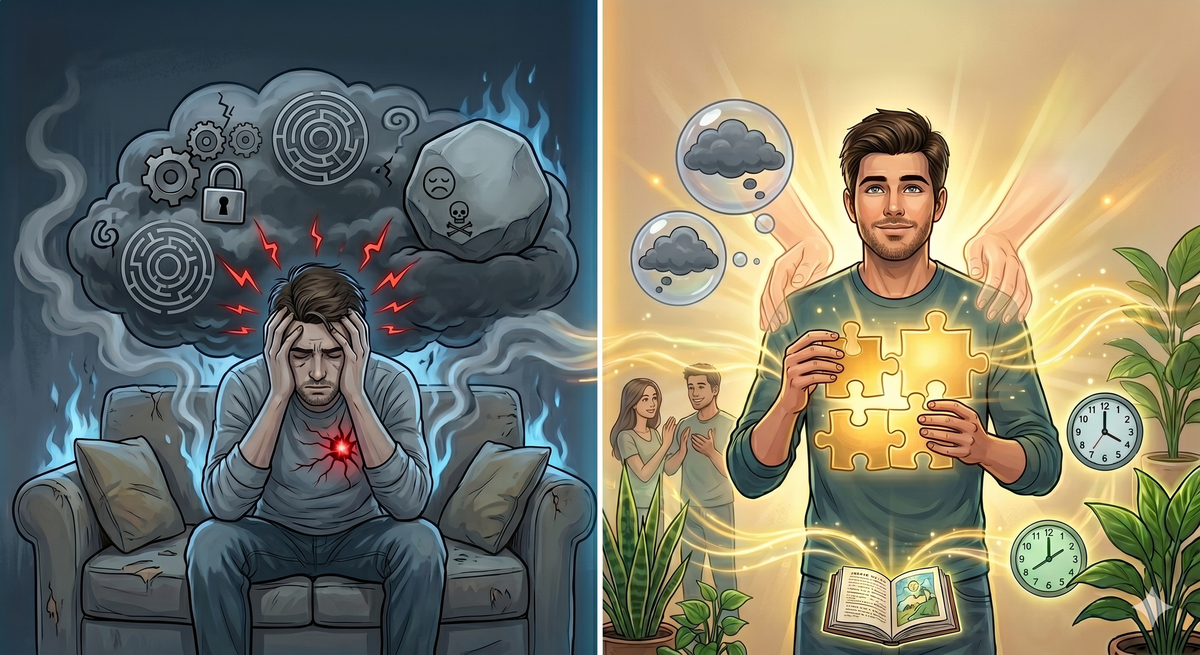
Orthosomnia is a term coined in sleep medicine to describe a pattern in which a person becomes so focused on optimizing their sleep metrics that the anxiety itself begins to cause insomnia. It develops through a predictable feedback loop: a person checks their sleep score, sees a low number, feels anxious, goes to bed with heightened arousal, sleeps poorly again, and the cycle repeats. Over time, the monitoring itself becomes the primary driver of poor sleep.
As researchers in the 2026 Frontiers study noted: in sleep medicine, there is something called orthosomnia, which is when people get anxious about sleep metrics, and in turn sleep more poorly from having that data. Orthosomnia was originally described in a 2017 case study in the Journal of Clinical Sleep Medicine and has since become a recognized clinical phenomenon.
The Accuracy Problem — Are Sleep Apps Even Reliable?
A key reason sleep app feedback can be harmful is that it is often inaccurate. Consumer wearables are not medical-grade devices. They typically use accelerometer data and heart rate to infer sleep stages — a significant limitation compared to gold-standard polysomnography used in clinical sleep labs.
- What sleep apps do reasonably well: detecting total sleep time, identifying consistent wake times, tracking broad patterns over weeks
- Where they consistently fall short: accurately distinguishing light, deep, and REM sleep stages; detecting brief awakenings; measuring sleep quality in clinical populations
When an app reports a sleep score of 62, that number may bear little resemblance to your actual physiology. If you feel rested but your app says you slept poorly, the app is likely wrong — but many people trust the data over their own body. This mismatch is a documented trigger for sleep anxiety.
When Sleep Apps Actually Help
It is important not to dismiss sleep apps entirely. For people who do not have insomnia, they can be genuinely valuable awareness tools. Nearly half of users in the study reported learning meaningful things about their sleep patterns, and for many, that awareness led to positive behavioral changes:
- Recognizing consistently late bedtimes and their correlation with worse mornings
- Noticing that sleep is lighter on nights when alcohol is consumed
- Identifying an optimal sleep duration (e.g., 7.5 vs. 6 hours)
- Building motivation to protect sleep as a daily priority
- Adjusting travel schedules or routines based on sleep trends
Signs your sleep app is working for you: you feel more informed without feeling more worried, your behavior has improved, and you treat the data as a general guide rather than a daily health verdict.
What Experts Recommend Instead for Insomnia
Cognitive Behavioral Therapy for Insomnia (CBT-I)
CBT-I is the gold-standard treatment for insomnia, recommended as the first-line intervention by the American Academy of Sleep Medicine and the National Institutes of Health. It produces results equal to or better than sleep medication — with no side effects, no dependency risk, and improvements that continue to build after treatment ends. CBT-I typically runs 6 to 8 sessions and includes:
- Sleep restriction therapy: temporarily limiting time in bed to consolidate sleep drive
- Stimulus control: re-associating the bed exclusively with sleep, not wakefulness or worry
- Sleep hygiene education: behavioral changes around caffeine, alcohol, light, and routine
- Cognitive restructuring: challenging catastrophic beliefs about sleep
Practical Sleep Habits That Work Right Now
- Keep a consistent wake time every day, including weekends — this anchors your circadian rhythm
- Get out of bed if you have been awake for more than 20 minutes — lying there reinforces the bed-awake association
- Create a wind-down routine 60 minutes before bed, screen-free
- Keep your bedroom cool (60–67°F / 15–19°C), dark, and quiet
- Avoid caffeine after 2pm — its half-life means half remains in your system at bedtime
- Limit alcohol, which disrupts REM sleep even if it helps you fall asleep initially
- Exercise regularly, but finish vigorous workouts at least 2 to 3 hours before bed
- Practice diaphragmatic breathing, body scan, or progressive muscle relaxation before sleep
How to Decide If Your Sleep App Is Helping or Hurting You
Answer yes or no to these five questions. If you answer yes to two or more, your sleep app may be doing more harm than good:
- Do you feel more anxious or deflated after checking your sleep score in the morning?
- Do you spend time in bed thinking about why last night's score was low?
- Have you cancelled plans or felt unable to function based on what your app reported?
- Do you feel worse about your sleep now than before you started tracking?
- Do you feel compelled to check your score immediately on waking?
If tracking is causing distress, researchers recommend learning about your device's accuracy limitations to reduce over-reliance — or simply stop wearing it to bed. For persistent insomnia, seek a CBT-I trained therapist or a structured digital CBT-I program.
Conclusion
Sleep apps are a useful tool for many people — but they are not a cure for insomnia, and for those who already struggle to sleep, they may be making things measurably worse. The 2026 Norwegian study is a reminder that more data does not always mean better sleep. What an anxious sleeper needs most is not another metric to analyze — it is reassurance, behavioral structure, and tools to break the worry cycle.
If you suspect your tracking habit is amplifying the problem, give yourself permission to take a break. And if insomnia is persistent and impacting your life, speak with your doctor about accessing CBT-I — the most effective, durable, and evidence-based sleep treatment available.
Sources
Healthline — Insomnia: Is Your Sleep App Helping or Just Stressing You Out?