Water: A Science-Based Guide to Hydration
Water is the essence of life, yet many of us overlook the science of proper hydration. It’s not just about quenching thirst; it’s about unlocking optimal physical and mental performance. This guide will move beyond generic advice to give you a science-based framework for understanding and mastering your personal hydration needs, transforming it from a daily chore into a cornerstone of your health.
Why Optimal Hydration is Non-Negotiable
Our bodies are composed of about 60% water, and every single system depends on it. From cellular integrity to brain function, maintaining fluid balance is crucial for survival and well-being. Understanding the "why" behind hydration makes it easier to prioritize.
The Role of Water in Your Body
Think of water as your body's master logistical officer. It’s responsible for transporting essential nutrients and oxygen to your cells, carrying waste products away, regulating body temperature through sweat, and lubricating your joints. Without adequate hydration, these fundamental processes become inefficient, leading to a noticeable decline in how you feel and function.
Key Benefits of Prioritizing Hydration
When you consistently meet your hydration needs, the benefits are profound and far-reaching. It’s one of the simplest changes you can make with the biggest impact on your health.
- Enhanced Brain Function: Even mild dehydration can impair concentration, memory, and mood. Staying hydrated keeps your mind sharp and focused.
- Increased Energy Levels: Fatigue is one of the first signs of dehydration. Proper water intake ensures your metabolic processes run efficiently, helping you feel more energized throughout the day.
- Improved Skin Health: While it won't erase wrinkles, proper hydration helps maintain skin elasticity and can improve its overall appearance by keeping it plump and resilient.
- Supports Digestion and Weight Management: Water is essential for breaking down food and preventing constipation. Drinking it before meals can also help you feel fuller, naturally reducing calorie intake.
Are You Drinking Enough? A Personalized Approach
The conversation around hydration is often dominated by a single, familiar rule, but the reality is far more personal. Your unique body and lifestyle dictate your specific water requirements.
Debunking the "8 Glasses a Day" Myth
The recommendation to drink eight 8-ounce glasses of water daily is a common but outdated piece of advice. While it’s a reasonable starting point, it’s not a one-size-fits-all solution. Your ideal intake depends on several personal factors, and a rigid rule fails to account for this critical individuality in hydration science.
How to Determine Your Personal Hydration Needs
To truly optimize your hydration, you must consider the variables that influence your fluid loss. These factors include:
- Body Weight: Larger individuals generally require more water than smaller individuals.
- Activity Level: If you exercise or have a physically demanding job, you need to drink more to compensate for fluid lost through sweat.
- Climate: Hot or humid weather causes you to sweat more, increasing your hydration needs significantly.
- Overall Health: Certain health conditions, like fever or kidney disease, can alter your fluid requirements.
Common Signs of Dehydration
Your body has built-in signals to tell you when your water levels are running low. Learning to recognize them is key to preventing dehydration before it impacts your health.
- Thirst and Dry Mouth: This is the most obvious signal, but by the time you feel thirsty, you are often already slightly dehydrated.
- Dark-Colored Urine: Healthy hydration usually results in pale straw-colored urine. Dark yellow or amber-colored urine is a clear sign you need more water.
- Fatigue and Dizziness: Feeling tired, sluggish, or lightheaded can be a direct result of inadequate fluid balance.
Practical Strategies for Better Hydration
Knowing you need to drink more water is one thing; actually doing it is another. The key is to build simple, sustainable habits that make staying hydrated feel effortless.
Simple Steps to Increase Your Water Intake
Integrating hydration into your daily routine doesn’t have to be difficult. Follow these practical steps:
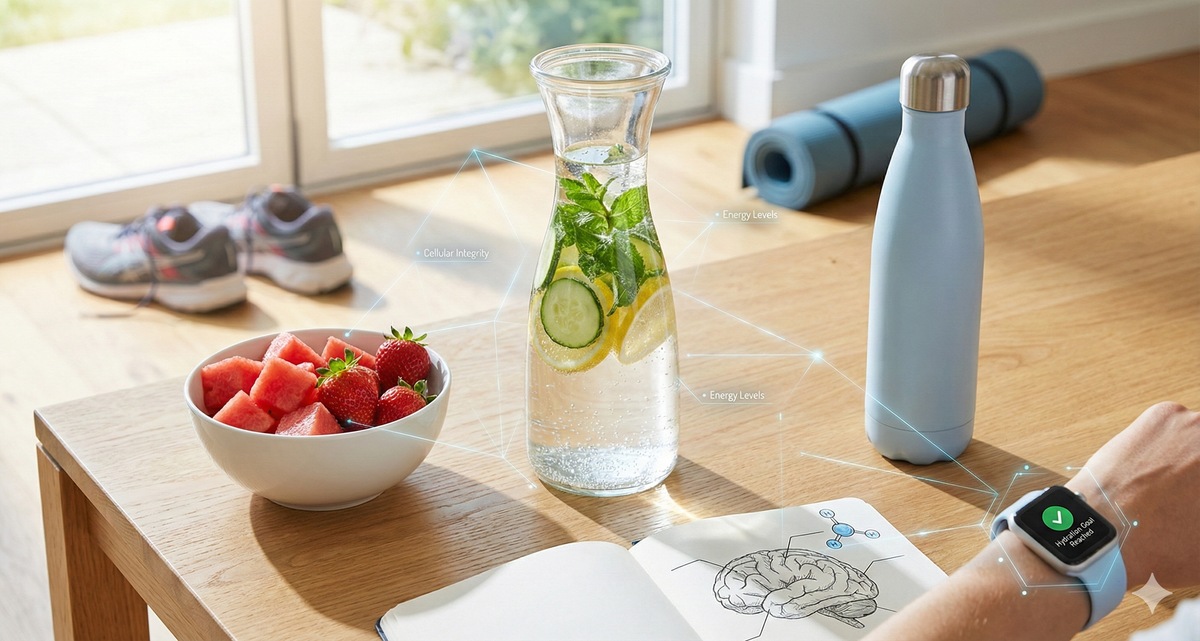
- Carry a Reusable Water Bottle: Having water constantly within reach is the most effective reminder to drink.
- Set Timed Reminders: Use your phone or smartwatch to set alarms at regular intervals to prompt you to take a few sips.
- Infuse Your Water: If you find plain water boring, add natural flavor with slices of lemon, cucumber, or mint.
- Eat Your Water: Incorporate water-rich foods like watermelon, strawberries, celery, and cucumbers into your diet.
Beyond the Tap: Other Sources of Hydration
While plain water should be your primary source of hydration, it's not the only one. Fluids from fruits, vegetables, soups, and even milk and herbal tea contribute to your daily total. However, be mindful of sugary drinks, which can be detrimental to your health.
The Truth About Sports Drinks and Electrolytes
For most daily activities and moderate workouts under an hour, plain water is perfectly sufficient for rehydration. Sports drinks, which contain electrolytes and sugar, are typically only necessary for high-intensity exercise lasting more than 60-90 minutes, or for those who sweat profusely, as they help replenish lost minerals and provide quick energy.
Conclusion: Make Hydration a Pillar of Your Health
Mastering your personal hydration strategy is one of the most powerful and fundamental steps you can take for your overall health. By moving beyond outdated myths and listening to your body's unique needs, you can ensure you are giving it the water it requires to function at its best. Start today by making a conscious effort to drink more water and turn this simple act into a lifelong pillar of well-being.