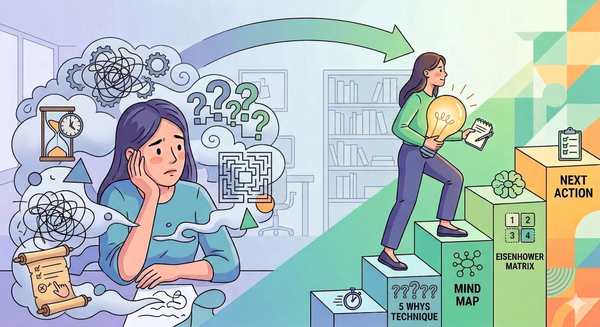
Lifestyle Planning: Organizing Everyday Routines for Success and Well-being
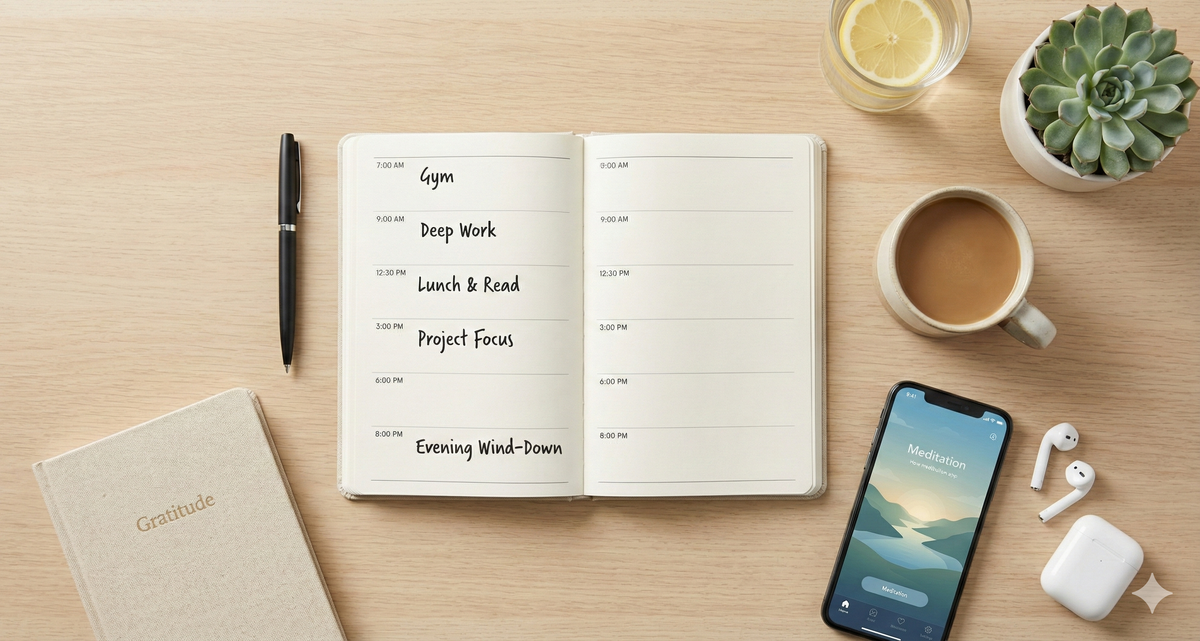
In our fast-paced world, life can often feel chaotic and overwhelming. Lifestyle planning, at its core, is about reclaiming control and intentionally designing a life that aligns with your goals for success and well-being. The single most powerful tool in this endeavor is the establishment of a consistent daily routine. This article will serve as your guide to organizing everyday routines, transforming them from a mundane chore into a powerful framework for a healthier, more productive life.
The Foundation: Why a Daily Routine is Your Secret Weapon
A daily routine is more than just a schedule; it's a structure that provides stability and purpose. By automating a sequence of positive actions, you free up mental energy for more complex challenges and creative pursuits. The benefits extend to nearly every aspect of your life.
The Power of Consistency for Mental Health
Our brains thrive on predictability. A consistent daily routine can significantly reduce stress and anxiety by creating a sense of order and control. When you know what’s coming next, from your morning coffee to your evening wind-down, you eliminate the mental load of constant decision-making. This stability is a cornerstone of mental well-being and provides a buffer against life's unexpected stressors.
From Chaos to Control: Boosting Productivity and Focus
A well-designed daily routine is a masterclass in energy management. It allows you to tackle your most important tasks when your focus is at its peak (often in the morning) and allocate lower-energy times for less demanding activities. This strategic approach, often called time-blocking, prevents procrastination and ensures you're making steady progress toward your goals, creating a powerful sense of accomplishment.
Designing Your Morning Routine for a Powerful Start
How you start your day sets the tone for everything that follows. A mindful and intentional morning routine can replace reactive chaos with proactive calm. Instead of waking up and immediately checking your phone, you can create a ritual that energizes your body and mind.
Key Components of an Effective Morning Routine
There's no one-size-fits-all solution, but most successful morning routines include a mix of these elements. Consider incorporating a few that resonate with you:
- Hydration: Start with a glass of water to rehydrate your body after a night's sleep.
- Movement: This could be anything from a 5-minute stretch to a full workout. The goal is to wake up your body.
- Mindfulness or Meditation: Just a few minutes of quiet reflection or guided meditation can ground you for the day ahead.
- Goal Review: Briefly look over your goals for the day. This simple action helps align your daily routine with your bigger ambitions.
- Nourishment: A healthy breakfast provides the fuel your brain and body need to perform at their best.
A Sample Morning Routine to Inspire You
For example, a powerful daily routine could start with: 6:00 AM: Wake up, drink water. 6:15 AM: Gentle stretching or a short walk. 6:30 AM: 10 minutes of journaling or meditation. 6:45 AM: Review daily priorities while enjoying a healthy breakfast. This structured start ensures you've invested in your well-being before the world's demands begin.
Structuring Your Day for Peak Performance and Well-being
The principles of your daily routine shouldn't stop after breakfast. Applying structure to your workday and personal time is crucial for maintaining momentum without burning out.
The Art of Time-Blocking and Prioritization
Instead of a long, daunting to-do list, try time-blocking. Assign specific blocks of time to your most important tasks. For example, block out 90 minutes for "deep work" on a major project. This technique is a cornerstone of a productive daily routine, as it tells your brain exactly what to focus on and when, minimizing distractions.
Don't Forget to Recharge: The Importance of Breaks
A successful daily routine isn't about working non-stop. Scheduling short breaks is essential for maintaining high levels of performance and well-being. The Pomodoro Technique—working for 25 minutes, then taking a 5-minute break—is a popular method. Use these breaks to stretch, walk around, or simply rest your eyes away from a screen.
The Evening Wind-Down: Preparing for Rest and Recovery
The secret to a great morning is a great evening routine. A proper wind-down signals to your body and mind that it's time to transition from the stress of the day to a state of rest, which is essential for quality sleep.
Building Your Ideal Evening Ritual
Your evening ritual should be calming and screen-free for at least 30-60 minutes before bed. This helps regulate melatonin production for better sleep. Good options for your evening daily routine include:
- Reading a Book: Opt for a physical book over an e-reader to avoid blue light.
- Journaling: Write down your thoughts, achievements of the day, or anything that's on your mind to clear your head.
- Light Stretching or Yoga: Gentle movements can release physical tension built up during the day.
- Planning for Tomorrow: Briefly writing down your top 1-3 priorities for the next day can provide peace of mind and make your morning routine even smoother.
Making It Stick: Tips for Long-Term Success
Creating a new daily routine is one thing; making it a long-term habit is another. The key is to be strategic and compassionate with yourself.
A Step-by-Step Guide to Habit Formation
Follow these steps to integrate a new routine into your life successfully:
- Start Small: Don't try to change everything at once. Introduce one new habit, like drinking a glass of water every morning, and master it first.
- Use Habit Stacking: Link your new habit to an existing one. For example, "After I brush my teeth (existing habit), I will meditate for 5 minutes (new habit)."
- Track Your Progress: Use a journal or a simple checklist. Seeing your consistency builds momentum and motivation.
- Don't Break the Chain: Aim for consistency, not perfection. If you miss a day, make sure you get right back on track the next day.
Be Flexible: How to Adapt Your Routine When Life Happens
A successful daily routine is a tool, not a prison. Life is unpredictable, and there will be days when your routine is disrupted. The goal is to have a "minimum viable routine"—a barebones version you can do on your busiest days. Maybe it's just 5 minutes of stretching and reviewing your priorities. Flexibility is what ensures your routine supports your well-being in the long run.
Lifestyle planning is a journey of continuous improvement, and a well-crafted daily routine is your roadmap. It provides the structure needed to foster success, reduce stress, and enhance your overall well-being. By thoughtfully designing your mornings, structuring your days, and winding down in the evenings, you create a powerful rhythm for a balanced and fulfilling life. Start small, stay consistent, and adapt as you go. Your future self will thank you.