
Legumes: The Most Underrated Superfood
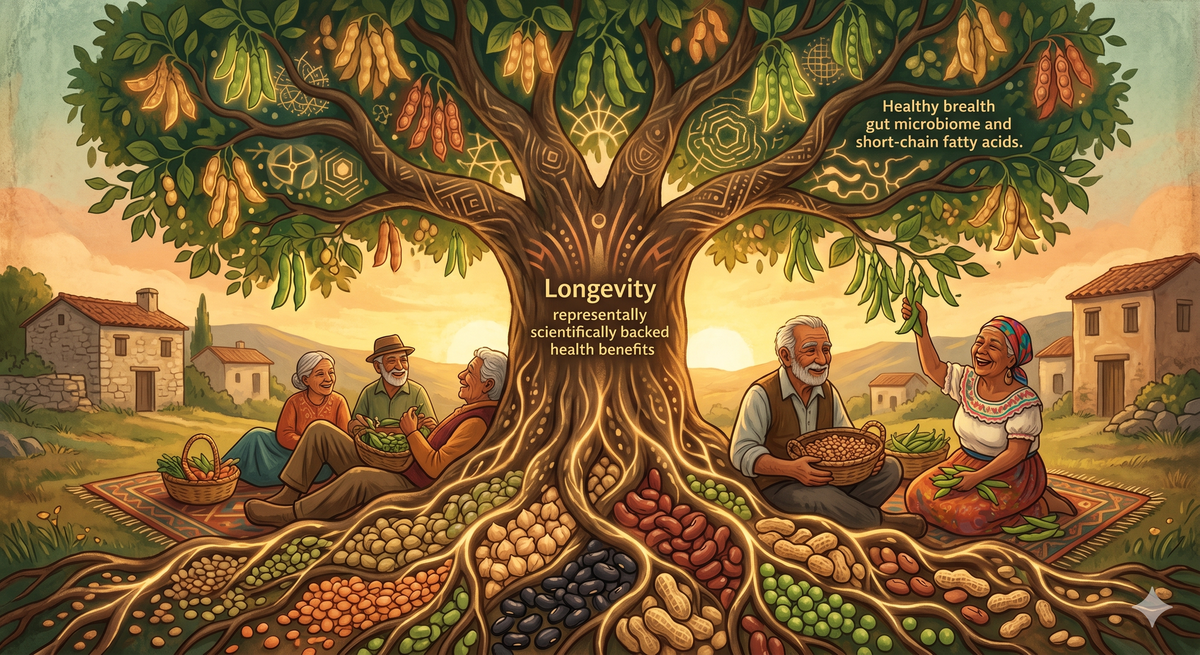
Legumes are the unsung heroes of the superfood world. While exotic berries and expensive powders often steal the spotlight, humble beans, lentils, and chickpeas quietly offer a powerhouse of nutrition backed by decades of scientific research. This article will explore the incredible, science-backed health benefits of legumes, revealing why they are a cornerstone of the world's healthiest diets and a secret weapon for promoting longevity.
What Exactly Are Legumes?
Defining the Legume Family
The term 'legume' refers to the fruit or seed of a plant from the Fabaceae family. In simpler terms, they are plants that grow their seeds in pods. The category is broad and includes some of the most common staples in diets around the globe.
- Lentils
- Chickpeas
- Black beans, kidney beans, pinto beans
- Green peas
- Soybeans (including edamame and tofu)
- Peanuts
The Nutritional Powerhouse Within
Legumes are celebrated for their incredibly dense nutritional profile. They are an exceptional source of plant-based protein, making them a critical component of vegetarian and vegan diets. They are also rich in complex carbohydrates and, most importantly, dietary fiber. This includes resistant starch, a unique fiber that resists digestion in the small intestine and ferments in the large intestine, feeding beneficial gut bacteria. Furthermore, legumes are packed with essential micronutrients like iron, folate, magnesium, and potassium.
The Science-Backed Health Benefits of Legumes
Heart Health and Cholesterol Management
The soluble fiber in legumes is a game-changer for cardiovascular health. It forms a gel-like substance in the digestive tract that binds with cholesterol and prevents its absorption, effectively helping to lower LDL ("bad") cholesterol levels. Their high potassium and magnesium content also helps regulate blood pressure, reducing strain on the heart.
Blood Sugar Regulation and Diabetes Prevention
Legumes have a very low glycemic index, meaning they don't cause sharp spikes in blood sugar after a meal. The high fiber content slows down the absorption of sugar into the bloodstream, promoting stable energy levels. This makes them a crucial food for managing existing diabetes and has been shown to significantly reduce the risk of developing type 2 diabetes.
Weight Management and Satiety
The powerful combination of protein and fiber in legumes is key to managing a healthy weight. These nutrients work together to increase the feeling of fullness and satisfaction, or satiety, after a meal. This helps to reduce overall calorie intake by preventing overeating and unnecessary snacking.
Legumes as the Foundation of Longevity
Lessons from the Blue Zones
The "Blue Zones" are regions where people live the longest, healthiest lives. A common thread in their diets is the daily consumption of legumes. From the Ikarians in Greece to the Nicoyans in Costa Rica, beans are a dietary staple. Centenarians in these zones eat, on average, at least a cup of beans per day, linking legume consumption directly to a longer lifespan.
Fueling a Healthy Gut Microbiome
Modern science is now confirming what traditional diets have known for centuries: a healthy gut is key to a long life. The fiber in legumes acts as a prebiotic, providing food for the trillions of beneficial bacteria in our gut. When these bacteria ferment legume fiber, they produce short-chain fatty acids (SCFAs), which have powerful anti-inflammatory effects throughout the body and are crucial for maintaining metabolic health.
Addressing Common Concerns: Are Legumes Safe?
The Truth About Antinutrients (Lectins and Phytic Acid)
Some people worry about "antinutrients" like lectins and phytic acid in legumes. However, these compounds are largely deactivated by proper preparation. To neutralize them, follow these simple steps:
- Soak: Soak dry beans in water for several hours or overnight.
- Cook: Thoroughly cook the legumes until they are soft. Pressure cooking is especially effective.
- Sprout: Sprouting legumes can also significantly reduce antinutrient levels.
Tips for Preventing Digestive Discomfort
If you are new to eating legumes, your digestive system may need time to adapt. To avoid gas and bloating, start with small portions and gradually increase your intake. Rinsing canned beans well before using them can also help remove some of the gas-producing compounds.
Conclusion
The evidence is clear: legumes are a true superfood. They are affordable, versatile, and packed with the protein, fiber, and micronutrients your body needs to thrive. For improved heart health, better blood sugar control, and a direct path to a longer, healthier life, there is no better choice. Start today by adding a serving of beans, lentils, or chickpeas to your daily meals and unlock the underrated power of legumes.