Job Interview Preparation: How to Stand Out Beyond Standard Answers

In today's competitive job market, a successful job interview goes beyond providing standard, rehearsed answers. Hiring managers are searching for candidates who not only fit the job description but who also demonstrate the potential to become valuable partners in the company’s growth.
This guide offers a practical approach to interview preparation for both online and in-person formats, focusing on value creation, ownership thinking, and long-term career goals. By shifting your mindset from a passive interviewee to a proactive problem-solver, you can stand out from the crowd and make a memorable impression.
Adopting a Value-Creation Mindset
The key to differentiating yourself is to change your approach. Instead of simply trying to prove you can do the job, aim to show how you can create value. This begins with a powerful shift in perspective, moving from a candidate seeking a job to a professional offering solutions.
What is Ownership Thinking?
Ownership thinking means approaching the company's challenges and opportunities as if you were already part of the team. It’s about demonstrating a sense of responsibility and initiative. During your interview, this means you should focus your answers on how you have taken ownership in past roles.
A memorable candidate doesn't just list job duties; they tell stories of how they identified problems and drove solutions, showcasing leadership skills and a proactive mindset. This is a crucial element of your personal branding.
Connecting to Intrinsic Motivation
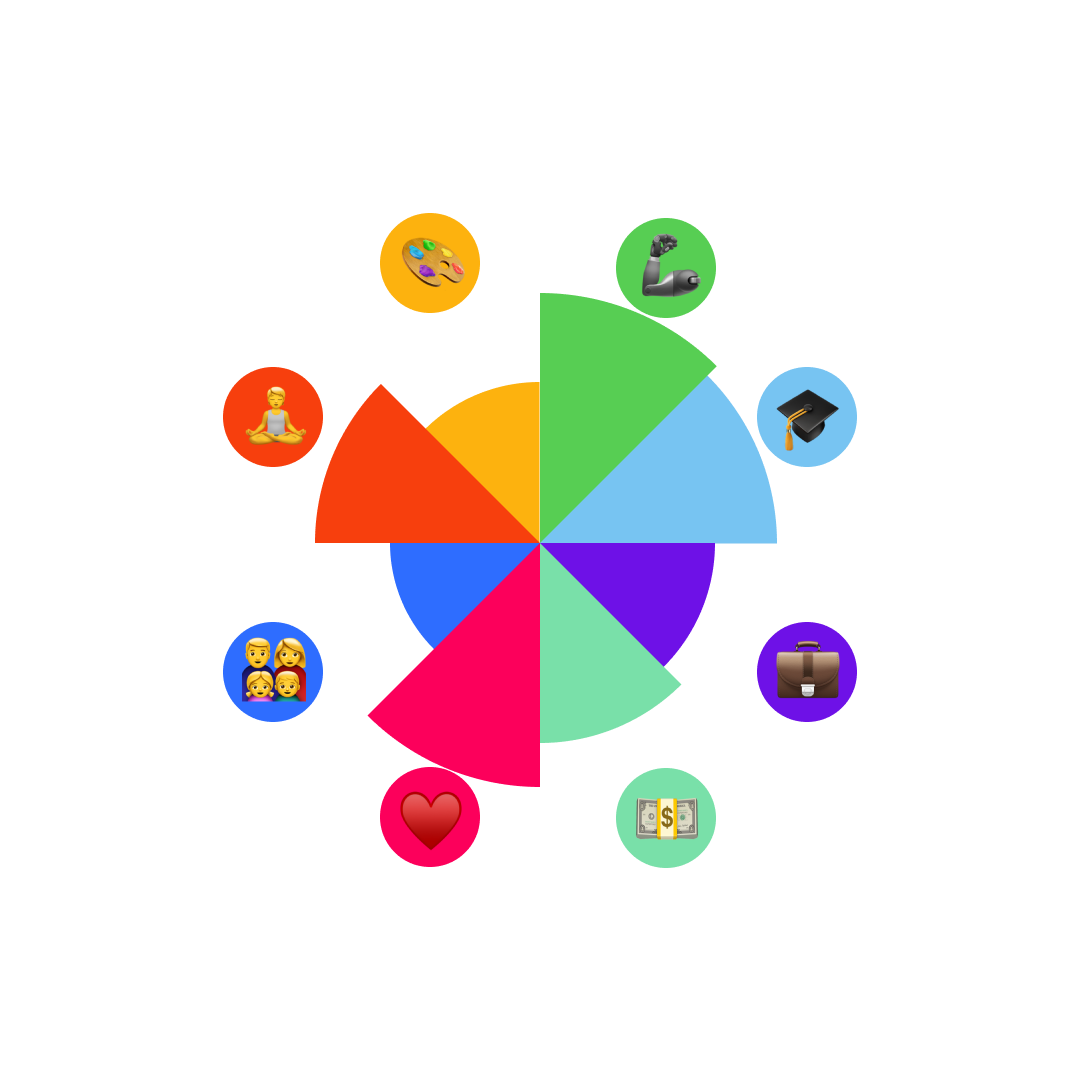
A powerful way to stand out is to connect your personal drivers to the company's mission. Think about how this role aligns with your Growth and Meaning life spheres. Are you passionate about learning a new skill the job requires? Does the company’s purpose resonate with your personal values?
Articulating this connection shows that you are not just looking for any job, but that you are seeking a role where you can make a meaningful contribution. This authenticity is something that cannot be easily replicated and makes you a unique candidate.
Deep-Dive Research Beyond the Obvious
Superficial research is no longer enough. To truly stand out, you need to conduct a deep dive into the company’s ecosystem. Your goal is to understand their position in the market, their culture, and their strategic direction. This level of company research is a critical part of interview success.
Analyzing Company Culture and Values
Go beyond the corporate website. Use platforms like Glassdoor and LinkedIn to get an unfiltered look at the company culture. Look for patterns in employee reviews and pay attention to how current employees describe their experience.
During the interview, you can use this insight to explain why you believe you would thrive in their specific environment. Demonstrating culture fit is about showing that you understand and align with their core values.
Identifying Strategic Challenges and Opportunities
To position yourself as a strategic partner, you need to understand the company's challenges. Here’s a step-by-step approach to effective research:
- Follow the company on LinkedIn and review recent posts and articles.
- Read their latest press releases and news coverage to understand their current priorities.
- Identify their main competitors and analyze their strengths and weaknesses.
- Research key executives and their recent interviews or publications to understand their vision.
Armed with this knowledge, you can tailor your answers to address their specific needs, making your contribution feel both immediate and relevant.
Crafting Your Career Story
Your resume lists your experiences, but your stories bring them to life. A compelling narrative is what makes you memorable. Focus on building a clear and consistent career story that highlights your most relevant skills and accomplishments.
Mastering the STAR Method for Impact
The STAR method is a powerful tool for structuring your answers to behavioral interview questions. It helps you provide concrete evidence of your skills by outlining the Situation, Task, Action, and Result of a specific experience. For example, instead of saying "I am a good team player," you could say:
- Situation: "In my previous role, my team was struggling to meet a critical project deadline."
- Task: "My task was to streamline our workflow to improve efficiency."
- Action: "I took the initiative to introduce a new project management tool and trained the team on how to use it."
- Result: "As a result, we improved our productivity by 20% and delivered the project three days ahead of schedule."
This method allows you to showcase your accomplishments with quantifiable impact.
Building Your Personal Brand Narrative
Your personal brand is the unique combination of your skills, experiences, and values. Before the interview, define the top three things you want the interviewer to remember about you. Weave these themes into your answers to create a consistent and compelling narrative. This is a key part of candidate differentiation and helps the hiring manager see you as a perfect fit for the role.
Turning the Interview into a Dialogue
The most successful interviews feel less like an interrogation and more like a conversation. Your ability to build rapport and engage the interviewer in a natural dialogue is a powerful way to stand out. This requires strong professional communication skills.
Asking Insightful, Strategic Questions
The questions you ask are just as important as the answers you provide. Avoid generic questions about salary or benefits until the final stages. Instead, ask questions that demonstrate your strategic thinking and genuine interest:
- "What are the biggest challenges this team is currently facing?"
- "What does success look like in this role in the first 90 days?"
- "How does this role contribute to the company’s broader strategic goals?"
- "What opportunities for professional growth and learning are available?"
These questions show that you are already thinking about how you can contribute to their success.
The Art of Active Listening and Building Rapport
Pay close attention to the interviewer's words and non-verbal cues. Use active listening to show that you are engaged and genuinely interested in what they are saying.
Maintain confident body language by making eye contact, sitting upright, and offering a firm handshake. Building a genuine connection can significantly influence the interviewer's perception of you.
Demonstrating Tangible Value
Actions speak louder than words. Bringing tangible proof of your skills and proactivity can be a game-changer. This is how you show, not just tell, your value proposition.
The Power of a Portfolio or Work Samples
If you are in a creative or technical field, a portfolio is essential. For other roles, you can bring samples of your work, such as a report you authored or a presentation you created. This gives the interviewer concrete evidence of your abilities and helps you stand out from candidates who only bring a resume.
The 30-60-90 Day Plan
Creating a 30-60-90 day plan is one of the most powerful ways to stand out in an interview. This document outlines what you intend to accomplish in your first three months on the job. It shows that you are proactive, strategic, and already thinking about how to make an impact. Your plan should be concise and focus on learning, contributing, and leading.
From Candidate to Future Partner
By preparing for your job interview with a focus on value creation, ownership, and strategic thinking, you transform yourself from a passive candidate into a potential partner. This approach not only helps you ace the interview but also sets the stage for a successful start in your new role, advancing your long-term career growth.
Remember to always follow up with a personalized follow-up email to thank the interviewer and reiterate your interest. This final touch reinforces your professionalism and can be the deciding factor in a competitive hiring process.