
How Coffee (Even Decaf) Improves Your Mood and Brain Health Through the Gut-Brain Axis — New Study Explains
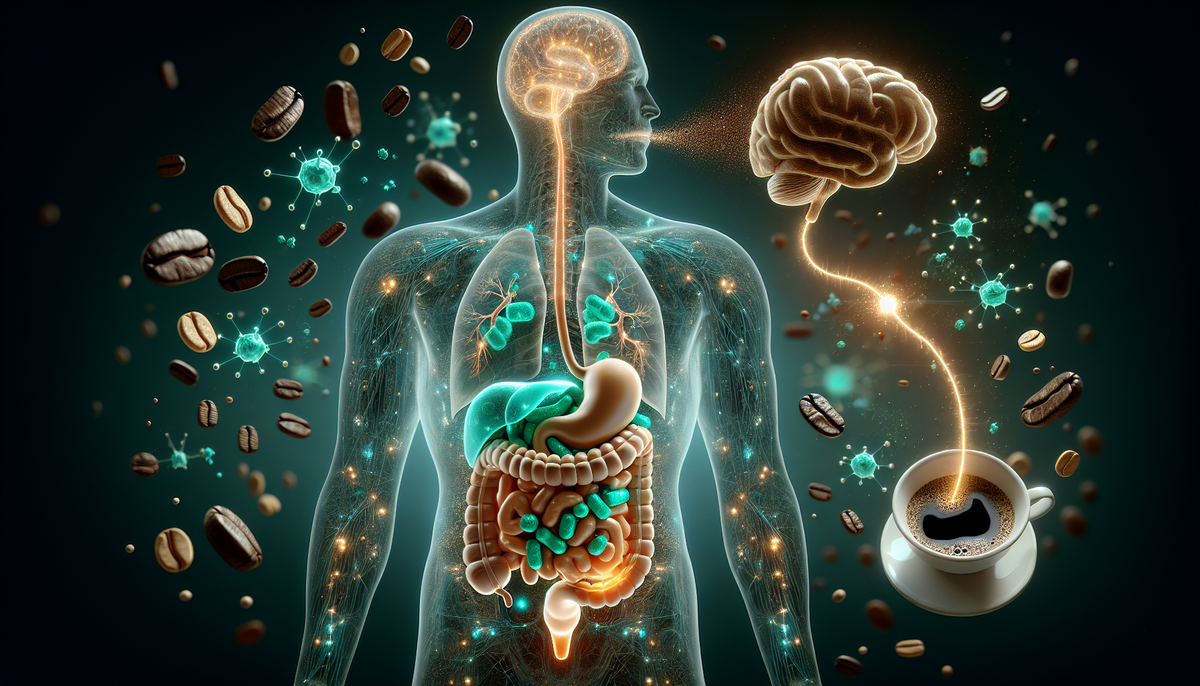
For most of us, coffee is a morning ritual — the thing that jumpstarts the day, sharpens focus, and makes conversation feel possible before 9 a.m. But a landmark study published in April 2026 in Nature Communications is reframing our understanding of this beloved beverage. Researchers at APC Microbiome Ireland, University College Cork, have discovered that coffee — both caffeinated and decaffeinated — meaningfully changes the composition of your gut bacteria, and through those changes, actively shapes your mood, stress levels, memory, and mental well-being. The gut, it turns out, is where much of coffee's magic happens.
What the New 2026 Study Actually Found
Study Design — Who Was Tested and How
The research team, led by Professor John Cryan, recruited 62 healthy adults between the ages of 30 and 50 from Ireland. Participants were divided into two groups: 31 habitual coffee drinkers (people who regularly consumed between three and five cups per day) and 31 non-coffee drinkers. The study was designed in three phases. First, all participants underwent baseline assessments. Then, coffee drinkers were asked to abstain from coffee entirely for a withdrawal period. Finally, coffee was reintroduced — but split into two arms: one group received caffeinated coffee and the other decaffeinated. Throughout each phase, researchers collected psychological test scores, self-reported mood and stress levels, caffeine and food diaries, and both stool and urine samples to measure microbial and metabolic changes. The study was published in Nature Communications and sponsored by the Institute for Scientific Information on Coffee (ISIC).
The Headline Results
The results were striking — and they held true for both types of coffee. Benefits shared by both caffeinated and decaffeinated coffee drinkers included:
- Significantly reduced perceived stress
- Lower scores on depression symptom measures
- Reduced impulsivity ratings
But the two coffee types also produced distinct effects. Caffeinated coffee uniquely delivered:
- Reduced feelings of anxiety
- Improved vigilance and sustained attention
- Decreased overall psychological distress
Decaffeinated coffee produced a different set of benefits:
- Improved learning and memory performance
- Better reported sleep quality
- Increased physical activity levels
What Is the Gut-Brain Axis? A Plain-Language Explainer
To understand why coffee affects your mood through your gut, it helps to understand the gut-brain axis — the bidirectional communication system between your gastrointestinal tract and your central nervous system. This two-way superhighway allows the gut and brain to constantly send signals to each other through several channels: the vagus nerve, the enteric nervous system (sometimes called the "second brain"), circulating hormones, immune signaling molecules, and metabolites produced by gut bacteria.
The gut microbiota — the trillions of bacteria, fungi, and other microorganisms living in your digestive tract — are active participants in this conversation. They produce neurotransmitters like serotonin and GABA, metabolize food into compounds that reach the bloodstream and brain, and regulate inflammatory signals that affect mood and cognition. Think of your gut bacteria as a silent editorial board that shapes every message your gut sends to your brain: change their composition, and you change the tone of those messages.
How Coffee Changes Your Gut Microbiome
The Non-Caffeine Components Do Most of the Work
One of the most counterintuitive insights from the research is this: much of coffee's gut-health benefit has nothing to do with caffeine. The real drivers are polyphenols, polysaccharides, and melanoidins — compounds present in both caffeinated and decaffeinated coffee. Polyphenols are plant-based antioxidants that travel to the colon where gut bacteria ferment them, producing beneficial metabolites. Polysaccharides act as prebiotics — food for beneficial bacteria. Melanoidins, formed during roasting, have prebiotic and antimicrobial properties. Together, these compounds selectively reshape the microbiome in ways that cascade upward through the gut-brain axis.
Specific Bacterial Changes the Study Found
The study identified precise microbial shifts in coffee drinkers. Two bacterial species were notably increased:
- Eggertella sp. — supports gastric and intestinal acid secretion, helping eliminate harmful gut pathogens
- Cryptobacterium curtum — involved in bile acid synthesis and gut lining protection
At the same time, certain metabolites decreased, including indole-3-propionic acid, indole-3-carboxyaldehyde, and gamma-aminobutyric acid (GABA). Researchers believe these shifts reflect a reorganization of the gut's chemical signaling environment — one that ultimately supports reduced stress and improved mood at the systems level.
Caffeinated vs. Decaf — Which Is Better for You?
What Caffeine Does That Decaf Cannot
Caffeine blocks adenosine receptors, reducing fatigue and increasing alertness. But this study adds nuance: the caffeinated group specifically saw reductions in anxiety and psychological distress — suggesting that caffeine, in moderate amounts for habitual drinkers, can have an anxiolytic effect. This runs counter to the popular belief that caffeine always worsens anxiety. The key context is tolerance: these were habitual drinkers whose gut-brain axis had normalized around regular consumption.
What Decaf Does That Regular Coffee Cannot
The decaf group showed improved learning, memory, and sleep quality — outcomes typically associated with calm, recovery-oriented states. This points strongly to the polyphenol and prebiotic actions of coffee's non-caffeine compounds. For people who avoid caffeine due to anxiety, insomnia, acid reflux, or heart conditions, these findings are particularly encouraging: decaf is not a second-rate compromise. It delivers a distinct and complementary set of benefits.
The Benefits Both Share
Regardless of caffeine content, both groups shared the same core improvements: reduced stress, better mood, and lower impulsivity. This confirms that the gut-microbiome pathway — driven by non-caffeine compounds — is the foundation of coffee's mental health benefits. Caffeine adds a stimulant layer; it does not create the underlying effect.
Why This Research Changes How We Think About Coffee
For decades, the health conversation around coffee has focused almost entirely on caffeine. This study shifts the frame entirely: coffee is now understood as a complex dietary factor that actively modulates your gut microbiome and, through that modulation, shapes your mental and emotional landscape. Professor Cryan described the findings as illuminating "the mechanisms behind coffee's effect on the gut-brain axis in a way that hadn't been studied before."
The study's limitations are worth noting: it was sponsored by the Institute for Scientific Information on Coffee (ISIC), the sample size was 62 participants, and all came from Ireland. Replication in larger and more diverse populations is needed. Still, the research is peer-reviewed and published in a top journal — the most rigorous investigation of this mechanism to date.
Practical Guide — How to Use Coffee for Better Mood and Brain Health
If you want to harness coffee's gut-brain benefits, here is what the research suggests:
- Aim for three to five cups per day — the habitual intake range studied. Fewer cups may not produce meaningful microbial changes.
- Choose caffeinated coffee in the morning for vigilance, attention, and anxiety-reduction benefits (in habitual drinkers).
- Consider decaf in the afternoon or evening to support memory, sleep quality, and physical activity without disrupting your sleep architecture.
- Avoid heavily sweetened or artificially flavored coffees — the benefits come from the coffee compounds themselves, not added sugars or syrups.
- Give it time — microbiome changes are gradual and emerge from sustained habitual consumption.
- Be cautious if you have anxiety disorders, acid reflux, GERD, heart arrhythmias, or are pregnant. Individual responses vary significantly.
- If you are currently a non-drinker, consult your doctor before adding coffee — the study's benefits were measured in habitual drinkers.
Conclusion
Your morning cup of coffee is more than a habit — it is a daily intervention in your gut microbiome that ripples upward to influence how you think, feel, and respond to stress. The 2026 Nature Communications study is a landmark reminder that food is not just fuel: it is information for your body's most complex communication networks. Whether you drink caffeinated or decaffeinated, you are shaping your gut's bacterial community and, through it, the chemistry of your mind. Understanding this connection is a reason to drink coffee more intentionally — and to pay closer attention to the relationship between what you put in your gut and how your brain shows up for you every day.
Sources
Coffee: Even decaf can improve mood, brain health, and here's why — Medical News Today