
Your Gut May Predict Parkinson's Years Before Symptoms Appear — New Research Explains How
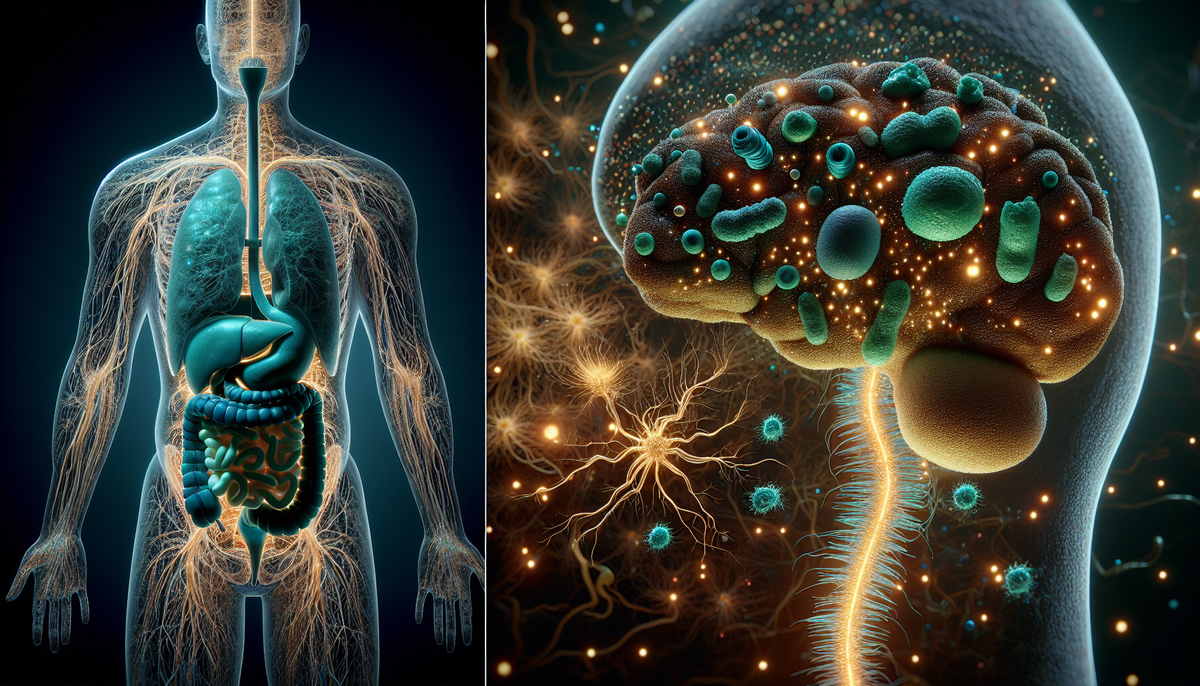
Parkinson’s disease is usually diagnosed only after significant, irreversible brain damage has already occurred. By the time the characteristic tremors, stiffness, and slowed movement appear, up to 60–80% of the dopamine-producing neurons in the brain may already be lost. But a landmark 2026 study published in Nature Medicine reveals a striking possibility: your gut microbiome may carry detectable early warning signs of Parkinson’s — potentially years or even decades before any neurological symptoms emerge.
What Is Parkinson’s Disease — and Why Early Detection Matters
A Disease of Progressive Neurodegeneration
Parkinson’s disease is the second most common neurodegenerative disorder worldwide, affecting more than 10 million people globally. It is caused by the progressive loss of dopamine-producing neurons in a region of the brain called the substantia nigra. Without adequate dopamine, the brain loses its ability to coordinate movement smoothly, leading to the hallmark symptoms: tremor, rigidity, bradykinesia (slowness of movement), and postural instability.
The Problem With Late Diagnosis
By the time a neurologist confirms a Parkinson’s diagnosis, the disease has typically been progressing silently for years — sometimes decades. The neuron loss is already substantial, and the window for the most effective neuroprotective intervention has largely closed. This is why identifying reliable pre-clinical biomarkers is one of the most urgent goals in neuroscience today.
The Gut-Brain Axis: How Your Digestive System Talks to Your Brain
The Vagus Nerve: The Highway Between Gut and Brain
The gut and brain are in constant two-way communication via what scientists call the gut-brain axis. The primary channel is the vagus nerve — the longest cranial nerve in the body, running from the brainstem all the way down to the abdomen. The vagus nerve carries signals both from the brain to the gut (regulating digestion) and from the gut to the brain (conveying information about the gut’s microbial environment, immune status, and chemical composition).
How the Microbiome Influences Brain Health
The trillions of bacteria, fungi, and other microorganisms that inhabit your gut — collectively called the gut microbiome — do far more than aid digestion. They produce neurotransmitters, short-chain fatty acids, and immune-modulating molecules that can cross into the bloodstream and influence brain function. Disruptions in the microbiome (called dysbiosis) have been linked to inflammation, increased gut permeability (sometimes called “leaky gut”), and altered brain chemistry.
The ‘Gut-First’ Hypothesis of Parkinson’s
A growing body of evidence supports what researchers call the ‘gut-first’ hypothesis of Parkinson’s disease: the idea that the disease process may begin in the gut and travel to the brain, rather than originating in the brain itself. Central to this hypothesis is a protein called alpha-synuclein.
Alpha-Synuclein: The Protein at the Heart of Parkinson’s
When a Normal Protein Goes Wrong
Alpha-synuclein is a protein found throughout the nervous system, including in the neurons of the gut. In Parkinson’s disease, it misfolds into an abnormal shape and clumps together, forming toxic aggregates that damage and kill neurons. These clumps are a hallmark of Parkinson’s pathology and are found post-mortem in the brains of virtually all people who died with the disease.
Evidence That It Starts in the Gut
Histopathological studies have found deposits of pathological alpha-synuclein in the gastrointestinal tissue of people in the prodromal (pre-symptomatic) phase of Parkinson’s — in some cases up to 20 years before the onset of motor symptoms. Animal studies have shown that injecting misfolded alpha-synuclein into the gut leads to its uptake by the vagus nerve and subsequent transport to the brain, where it triggers the normal protein to also misfold. Gut dysbiosis appears to promote this misfolding process, possibly by increasing gut inflammation and permeability.
The GBA1 Gene Variant: Who Is at Higher Risk?
The Most Common Genetic Risk Factor
Mutations in the GBA1 gene represent the most common known genetic risk factor for Parkinson’s disease. People who carry one mutated copy of this gene (heterozygous carriers) have a significantly elevated risk of developing Parkinson’s — estimated at up to 30 times the population baseline. However, not everyone who carries the variant will develop the disease: lifetime risk estimates range from about 10% by age 60 to 19% by age 80.
Why GBA1 Carriers Are a Crucial Research Population
Because GBA1 carriers are at elevated risk but largely asymptomatic for most of their lives, they represent a unique opportunity to study the pre-clinical phase of Parkinson’s. Any biological differences detected between GBA1 carriers and healthy non-carriers — before symptoms appear — could become the basis for early-warning tests or preventive interventions.
The UCL Study: How Researchers Found a Microbiome Signature of Parkinson’s
Study Design and Methods
The 2026 study, led by scientists at University College London (UCL) in collaboration with researchers in France and Italy, enrolled 464 participants:
- 271 people with a confirmed Parkinson’s disease diagnosis
- 43 asymptomatic carriers of the GBA1 gene variant (no neurological symptoms)
- 150 healthy control participants
Participants provided stool samples, which were analyzed to identify and quantify the microbial species present in their guts. This was combined with detailed clinical data to look for correlations between microbiome composition, genetic risk, and disease status.
Key Findings
- Over a quarter of the entire gut microbiome — 176 distinct microbial species — differed in abundance between Parkinson’s patients and healthy controls
- 142 of those same 176 species also differed in asymptomatic GBA1 carriers, compared to healthy controls
- The microbiome changes were correlated with disease severity: people with more advanced Parkinson’s showed greater disruption
- The microbiome of GBA1 carriers occupied an ‘intermediate state’ — more disrupted than healthy individuals, but less so than people with full Parkinson’s
What ‘Intermediate State’ Means — and Why It Could Be the Key to Prevention
The finding that asymptomatic GBA1 carriers show many of the same microbiome changes as people with Parkinson’s — but to a lesser degree — is potentially the most significant aspect of this research. It suggests that the gut microbiome is not simply reacting to Parkinson’s disease: it may be changing as part of the disease process itself, possibly decades before the brain shows signs of damage.
This intermediate state represents what researchers call the prodromal phase of Parkinson’s — a window of time when the biological machinery of the disease is already in motion, but neurons are not yet irreversibly lost. If future research confirms that these microbiome changes reliably predict who will go on to develop Parkinson’s, it could open a door to intervention at precisely the moment when it would be most effective.
Disease Severity and the Gut: More Disruption, More Advanced Parkinson’s
The correlation between microbiome disruption and Parkinson’s severity adds another layer of significance to these findings. The gut microbiome doesn’t just appear different in people with Parkinson’s — it appears progressively more different as the disease advances. This raises the intriguing possibility that the microbiome could serve not only as an early diagnostic marker, but as a tool for tracking disease progression over time — something that is currently difficult and expensive to do with brain imaging.
Could a Stool Test Detect Parkinson’s Risk in the Future?
The Promise
The researchers are cautiously optimistic that their findings could eventually lead to a microbiome-based risk test — a simple stool analysis that could identify individuals at elevated risk of Parkinson’s before any symptoms appear. Such a test would be far less invasive and expensive than neuroimaging, and could be deployed at scale in populations known to be at genetic risk.
What Still Needs to Be Proven
The current study is cross-sectional — it captured one point in time for each participant, rather than following the same people over years. The central question remains unanswered: of the 43 GBA1 carriers in the study, how many will actually go on to develop Parkinson’s? And will their microbiome changes predict it? Answering these questions will require long-term longitudinal follow-up studies, which are now being planned.
What You Can Do Today: Supporting Your Gut Microbiome for Brain Health
While we await more definitive evidence on microbiome-based Parkinson’s prevention, the research is clear that a healthy gut microbiome is associated with better brain health across the board. Here are evidence-based steps you can take right now:
- Adopt a Mediterranean-style diet — diverse, plant-rich eating associated with greater microbiome diversity and reduced neuroinflammation
- Prioritize prebiotic fiber — bananas, onions, garlic, chicory root, artichokes, beans, and whole grains feed beneficial gut bacteria
- Add fermented foods — yogurt, kefir, kimchi, sauerkraut, and miso introduce beneficial microorganisms
- Reduce ultra-processed foods and added sugar — strongly linked to gut dysbiosis and inflammation
- Exercise regularly — physical activity is consistently associated with greater microbiome diversity
- Discuss probiotic supplementation with your doctor — especially if you have a family history of Parkinson’s
The Road Ahead: From Biomarkers to Personalized Prevention
The 2026 UCL study marks a meaningful step toward understanding Parkinson’s disease as a condition with detectable biological precursors — ones that may show up in the gut long before the brain signals any trouble. If the gut microbiome can serve as a reliable early warning system, it could transform how we approach Parkinson’s: shifting the focus from treating symptoms to preventing brain damage before it begins.
If you have a family history of Parkinson’s disease or know you carry the GBA1 gene variant, this is a conversation worth having with your neurologist. Early monitoring, genetic counseling, and proactive gut health strategies may all have a role to play in the years ahead.
Sources
Medical News Today — Parkinson’s: Gut changes may begin years before symptoms begin