
Fatty Fish and Omega-3: One of the Few Real Nutrition Wins

Nutrition science has a credibility problem. One day, eggs will kill you. The next, they're a superfood. Coffee causes cancer, except when it prevents it. Fat was the enemy for decades until suddenly sugar became the villain. If you've ever felt whiplash trying to keep up with dietary advice, you're not alone. The constant reversals and contradictions have left millions of people understandably cynical about any nutritional claim.
But here's the thing: amidst all the noise, confusion, and outright misinformation, there are a handful of nutritional truths that have stood the test of time. These are findings supported not by a single flashy study, but by decades of consistent research across multiple populations, study designs, and biological mechanisms. The benefits of omega-3 fatty acids from fatty fish represent perhaps the clearest example of this rare phenomenon [1] [2].
 Viktoria Samokhval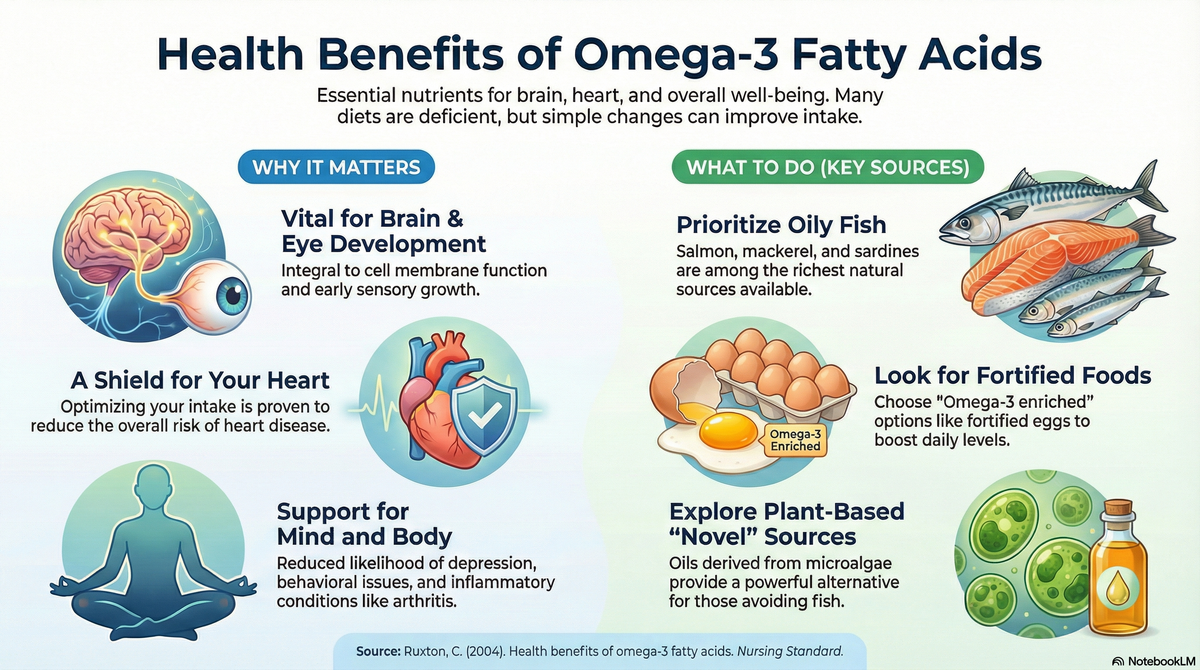
[1]
 Viktoria Samokhval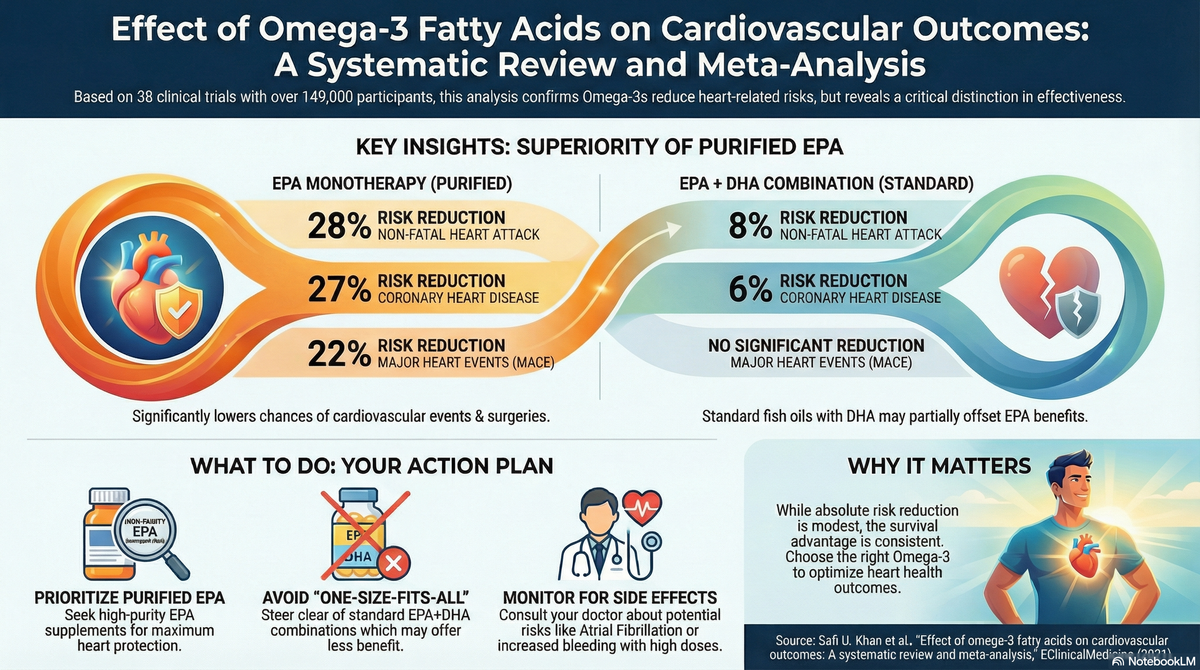
[2]
This isn't a trend. It's not a fad pushed by supplement companies or celebrity endorsements. The science on omega-3s and heart health, brain function, and inflammation reduction has been building since the 1970s, and remarkably, it keeps pointing in the same direction. Major health organizations worldwide have reached unusual consensus on this topic, which is extraordinary in a field where experts routinely disagree.
In this comprehensive guide, we'll explore exactly why omega-3 fatty acids from fatty fish deserve their reputation as one of the few genuine wins in nutritional science. We'll examine the evidence, understand the mechanisms, and most importantly, give you practical, actionable steps to harness these benefits for your own health. Whether you're looking to protect your heart, support your brain, or reduce chronic inflammation, understanding omega-3s is essential knowledge for anyone serious about their well-being.
What Are Omega-3s? The Essential Building Blocks for Health
Before we dive into the impressive research, we need to understand what omega-3 fatty acids actually are and why they matter so much. The word "essential" in nutrition has a very specific meaning, and omega-3s earn that designation for important biological reasons.
Omega-3 fatty acids are a family of polyunsaturated fats that play crucial structural and functional roles throughout your body. They're incorporated into cell membranes, influence gene expression, serve as precursors to powerful signaling molecules, and participate in countless biochemical processes. Suboptimal omega-3 status may negatively affect cellular efficiency, with effects occurring along a continuum rather than as an all-or-nothing phenomenon.
Here's the critical point: your body cannot manufacture omega-3 fatty acids on its own. Unlike many other fats that your liver can synthesize from scratch, omega-3s must come from your diet. This is what makes them "essential fatty acids." No matter how many calories you consume or how well-nourished you are otherwise, without dietary sources of omega-3s, you will develop deficiency symptoms over time.
This essential nature means that the quality and quantity of omega-3s in your diet directly impacts your health in measurable, significant ways. It also explains why populations with traditionally high intakes of omega-3-rich foods have historically shown dramatically different health outcomes than populations consuming minimal amounts.
The Power Trio: EPA, DHA, and ALA
Not all omega-3 fatty acids are created equal. When we talk about the health benefits backed by decades of research, we're primarily discussing three specific types, each with distinct characteristics and roles.
Eicosapentaenoic acid, commonly known as EPA, is one of the two marine-derived omega-3s that has been extensively studied. EPA is particularly important for cardiovascular health and reducing inflammation throughout the body. It serves as a precursor to specialized signaling molecules called eicosanoids, which help regulate inflammatory responses, blood clotting, and blood vessel function. Interestingly, research has also identified EPA as particularly effective for mental health, with studies showing it may be especially helpful for depression symptoms [3].
 Viktoria Samokhval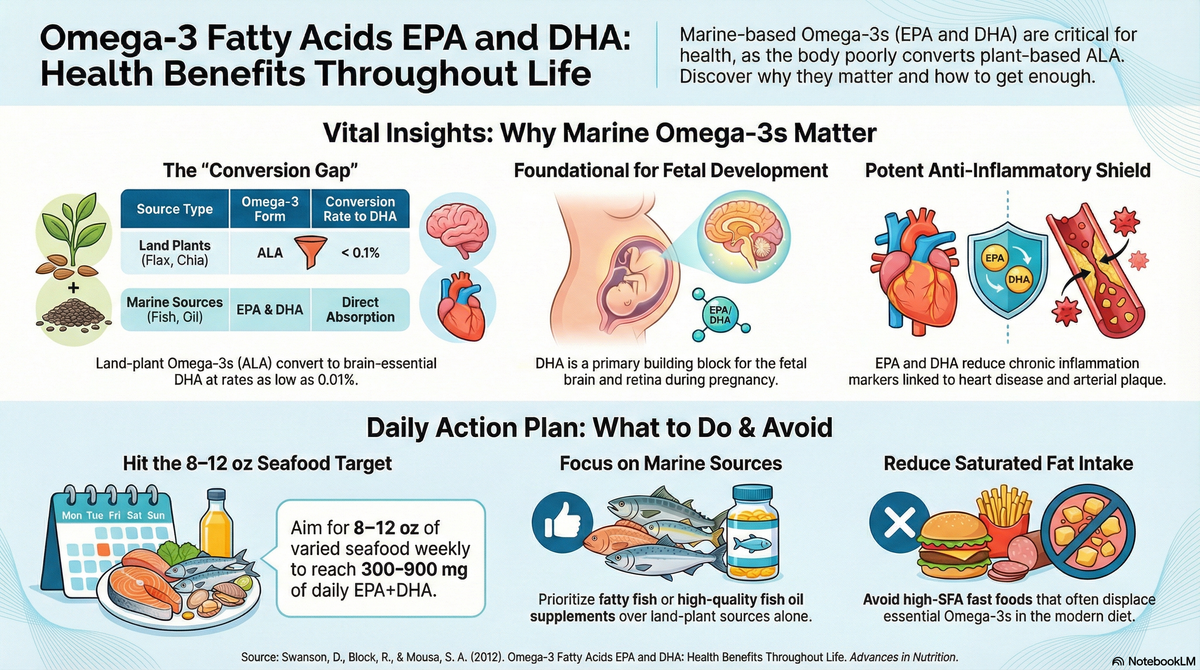
[3]
Docosahexaenoic acid, or DHA, is the other marine omega-3 superstar. DHA is abundant in your brain and retina, making it crucial for cognitive function and eye health. In fact, DHA makes up a significant portion of the structural fat in your brain (membrane phospholipids). This explains why adequate DHA is so critical during pregnancy and early childhood when the brain is developing rapidly. Throughout life, DHA continues to support neural function and appears protective against cognitive decline.
Alpha-linolenic acid, abbreviated as ALA, is the plant-based omega-3 found in foods like flaxseeds, chia seeds, walnuts, and certain vegetable oils. While ALA does provide some benefits, here's the crucial distinction: your body must convert ALA into EPA and DHA to access most of the well-documented health benefits. Unfortunately, this conversion process is remarkably inefficient.
Research published by the National Institutes of Health and confirmed by multiple independent studies shows that humans typically convert only about five to fifteen percent of consumed ALA into usable EPA and DHA . Some studies suggest the conversion rate may be even lower, particularly for DHA. This means that to get meaningful amounts of EPA and DHA from plant sources alone, you would need to consume enormous quantities of ALA, which is neither practical nor how traditional healthy populations obtained their omega-3s.
This conversion inefficiency isn't a minor technical detail. It fundamentally shapes the practical recommendations for omega-3 intake and explains why direct sources of EPA and DHA are so emphasized by health authorities. Plant-based omega-3s from ALA certainly have a place in a healthy diet, but they cannot fully replace the marine-derived forms when it comes to achieving optimal omega-3 status.
Why Fatty Fish Is the Undisputed Champion Source
Given what we now understand about the different omega-3 types and conversion rates, it becomes clear why fatty fish holds a privileged position in nutritional recommendations. Fatty fish provide EPA and DHA directly, in forms your body can immediately use without any conversion losses.
The term "fatty fish" refers to fish species that store significant amounts of oil in their tissues rather than just in their livers. This category includes salmon, mackerel, sardines, herring, anchovies, and trout, among others. These fish accumulate omega-3s through their diet, concentrating EPA and DHA in their flesh to levels that far exceed lean fish varieties.
Consider the numbers: a three-ounce serving of wild Atlantic salmon provides roughly 1,500 to 2,000 milligrams of combined EPA and DHA. Compare this to the amount of ALA you'd need to consume from plant sources to achieve similar EPA and DHA levels after conversion, and the advantage is substantial, though variable. You would need to eat multiple tablespoons of flaxseed oil daily, and even then, the conversion would be incomplete and variable.
Beyond the sheer quantity of omega-3s, fatty fish offer additional advantages. The omega-3s in fish come packaged with other beneficial nutrients, including high-quality protein, vitamin D, selenium, and various B vitamins. There's also growing evidence that whole food sources provide benefits beyond what you can achieve with isolated nutrients, a concept sometimes called the "food matrix effect." The omega-3s in fish exist alongside phospholipids and other compounds that may enhance absorption and utilization.
Furthermore, fatty fish consumption has been the actual exposure studied in many of the landmark observational studies that established the health benefits of omega-3s. When researchers observed that Japanese populations, Mediterranean communities, or Greenland Inuit had remarkably low rates of heart disease, these populations were eating whole fish, not taking supplements. This means the evidence base for fatty fish consumption is direct and robust, not extrapolated from studies of isolated nutrients.
This doesn't mean supplements have no role, and we'll address that topic later. However, it does explain why health organizations consistently emphasize eating fatty fish as the primary strategy for obtaining adequate omega-3s, although supplements can be effective, especially for those with limited access to fish or high EPA/DHA requirements.
.
The Unshakeable Scientific Evidence: A Decades-Long Consensus
One of the most remarkable aspects of omega-3 research is its consistency. In a scientific field notorious for conflicting findings and reversals, the evidence supporting fatty fish consumption has pointed in the same direction for nearly fifty years. This consistency across different types of studies, different populations, and different research teams provides an relatively strong foundation for making confident dietary recommendations.
To appreciate why the omega-3 evidence is so compelling, it helps to understand how nutritional research works and why most topics remain controversial. Nutrition science faces inherent challenges: you can't conduct decades-long controlled experiments where people eat only assigned foods, observational studies can be confounded by countless variables, and biological effects often depend on the entire dietary pattern rather than single nutrients.
Omega-3 research has managed to overcome many of these limitations through the convergence of multiple evidence streams. The observational studies align with the clinical trials. The population-level data matches the mechanistic research. The biological plausibility supports the statistical associations. When all these different approaches point toward the same conclusion, scientists gain confidence that they're observing a real causal relationship rather than a statistical artifact or confounding effect.
Landmark Studies and Global Observations
The modern understanding of omega-3 benefits began with observations that seemed almost too dramatic to be true. In the 1970s, Danish researchers Hans Olaf Bang and Jørn Dyerberg traveled to Greenland to study the Inuit population. Despite consuming a diet extremely high in fat, particularly from seal, whale, and fish, the Greenland Inuit had remarkably low rates of cardiovascular disease. Their heart attack rates were a fraction of what Danish populations experienced. This paradox demanded explanation.
How could a high-fat diet produce such healthy cardiovascular outcomes? The researchers identified the type of fat as the key variable. The Inuit consumed massive amounts of omega-3 fatty acids from marine sources. This observation launched decades of research that would ultimately validate their hypothesis.
Similar patterns emerged from studies of Japanese populations, particularly those in fishing communities. Japanese people have historically consumed far more fish than Western populations, and their cardiovascular disease rates, while increasing with Westernization, remained significantly lower.
Researchers noted a clear dose-response relationship: communities eating the most fish had the lowest rates of heart disease. Mediterranean populations provided another natural experiment. The famous Mediterranean diet, long associated with longevity and cardiovascular health, includes regular fish consumption as a core component. While the Mediterranean diet contains many healthful elements, the omega-3 contribution from fish appears to be a significant factor in its protective effects. These observational findings were compelling but couldn't prove causation on their own.
Perhaps fish-eating populations were healthier for other reasons. Maybe they exercised more, smoked less, or had genetic advantages. This is where controlled clinical trials became essential. The GISSI-Prevenzione trial, published in 1999, provided landmark evidence from a rigorous clinical setting. This Italian study enrolled over 11,000 patients who had recently survived heart attacks and randomly assigned them to receive either omega-3 supplements, vitamin E, both, or neither.
After several years of follow-up, the results were striking: patients receiving omega-3s had a 20 percent reduction in total mortality and a 45 percent reduction in sudden cardiac death compared to controls. Vitamin E, by contrast, showed no significant benefit. The GISSI trial was particularly influential because it was large, well-designed, and conducted in real-world clinical conditions. It demonstrated that omega-3s could provide meaningful protection even for people who already had established heart disease. The benefit appeared quickly, within months of starting supplementation, and was clinically meaningful and influenced guideline recommendations. Subsequent meta-analyses pooled data from dozens of studies involving hundreds of thousands of participants.
A comprehensive analysis published in JAMA Network reviewed more than twenty prospective studies and found that fish consumption was associated with a 15 percent lower risk of cardiovascular disease mortality. Importantly, each additional serving of fish per week correlated with approximately four percent further risk reduction, demonstrating the dose-response relationship that strengthens causal inference.
The Overwhelming Consensus from Health Authorities
Perhaps nothing demonstrates the strength of omega-3 evidence better than the unusual unanimity among major health organizations. These institutions typically employ different experts, weigh evidence differently, and often reach conflicting conclusions on dietary topics. Not so with omega-3s and fatty fish.
The American Heart Association has been particularly emphatic, recommending that all adults eat fish, particularly fatty fish, at least twice per week. This recommendation applies to the general population for disease prevention and is even more strongly emphasized for people with existing heart disease. The AHA explicitly notes that this is one of their strongest evidence-based dietary recommendations, meaning the supporting data meets their highest standards for scientific confidence [4].
 Viktoria Samokhval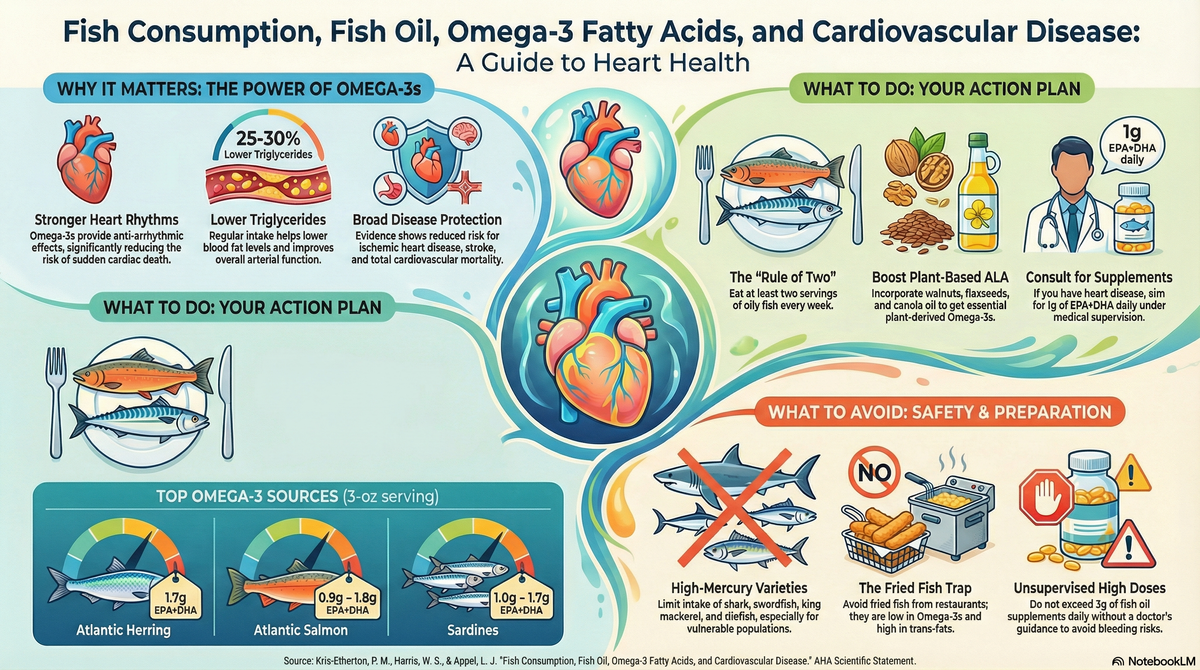
[4]
The World Health Organization similarly recommends regular fish consumption as part of healthy dietary patterns. Their guidelines specifically mention the omega-3 benefits for cardiovascular health and recognize fatty fish as a priority food for meeting nutritional needs [5].
 Viktoria Samokhval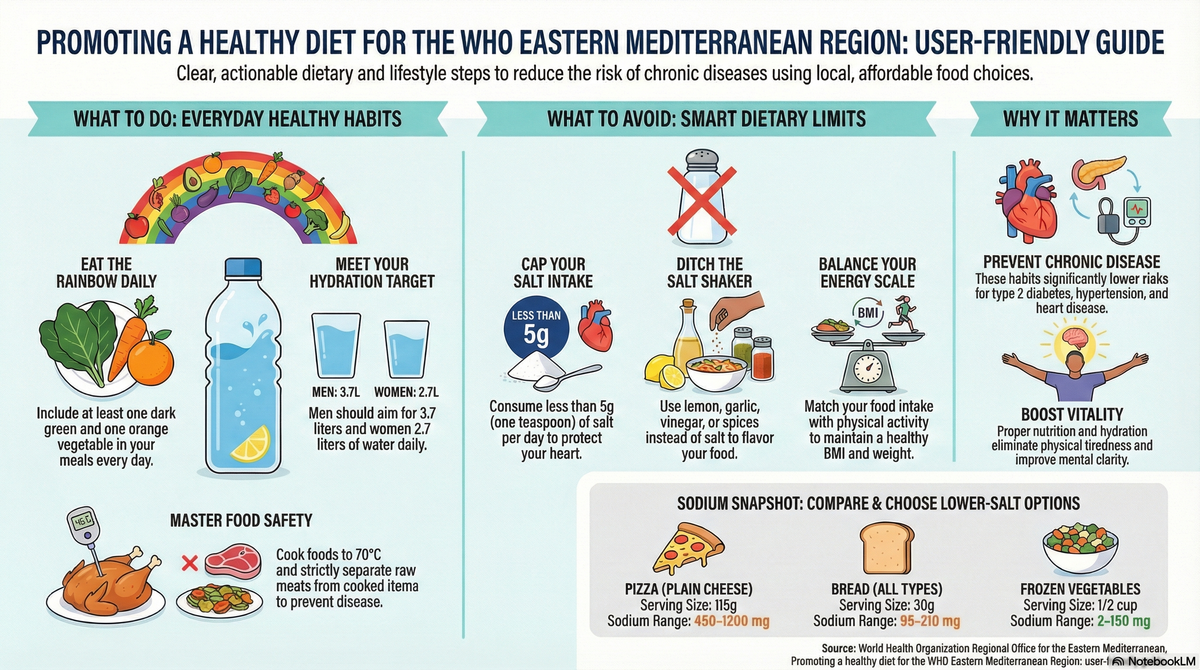
[5]
The National Institutes of Health, through their Office of Dietary Supplements, has compiled extensive fact sheets on omega-3 fatty acids that detail the evidence base and provide specific intake recommendations. Their review of the scientific literature supports the benefits for cardiovascular health and notes that this is among the most well-established areas of nutrition research [6].
 Viktoria Samokhval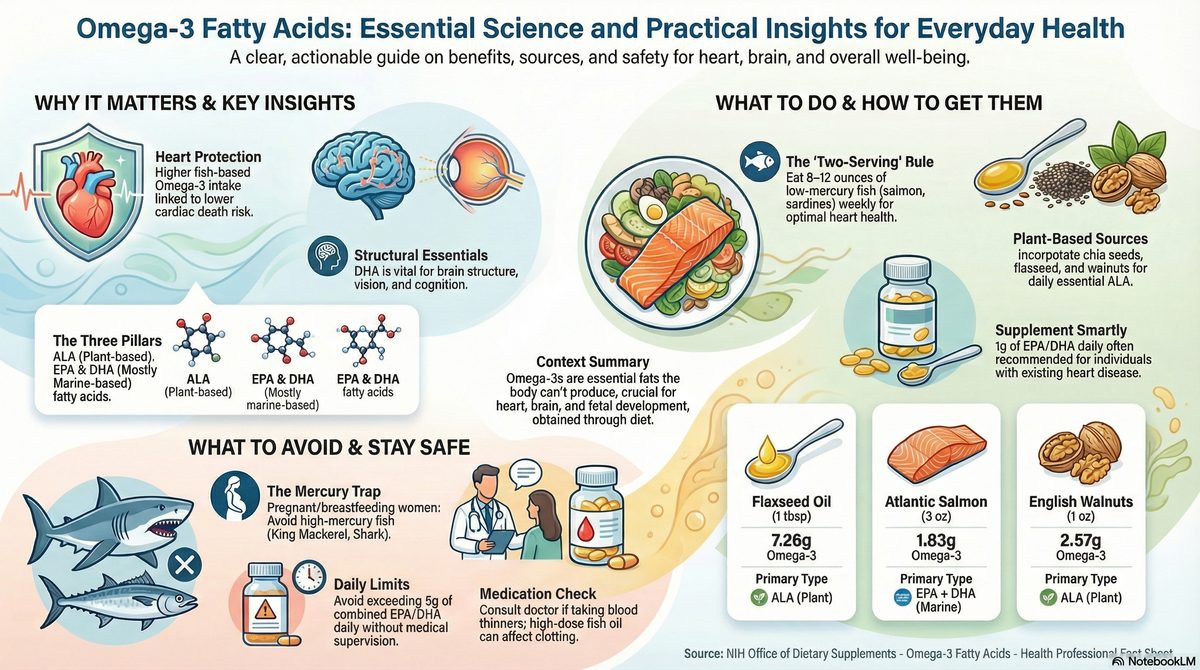
[6]
The Dietary Guidelines for Americans, updated every five years by expert committees reviewing the latest evidence, consistently recommends consuming eight or more ounces of seafood per week. The guidelines specifically note the health benefits of omega-3s and identify fatty fish as priority choices [7].
 Viktoria Samokhval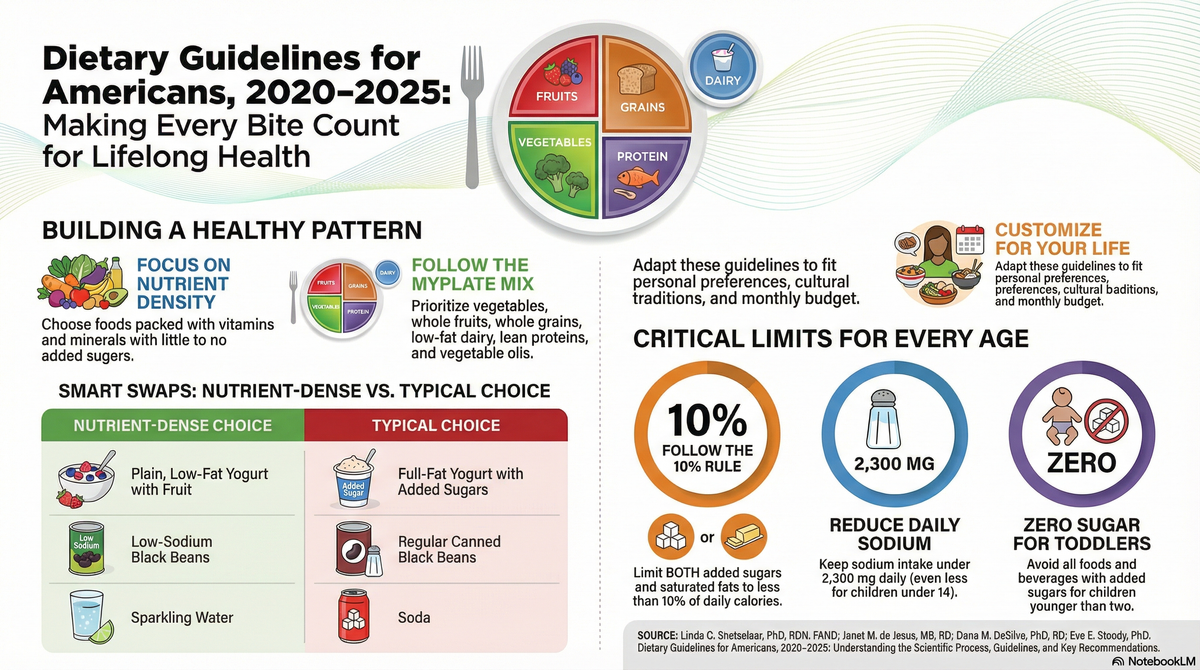
[7]
European health authorities, Asian dietary guidelines, and Australian recommendations echo these positions. This global consensus is remarkable given that these organizations represent different healthcare systems, different populations, and different expert panels. When independently conducted evidence reviews repeatedly reach the same conclusions, it suggests the underlying science is robust.
It's worth pausing to appreciate how unusual this consensus is. Consider the ongoing debates about saturated fat, dietary cholesterol, artificial sweeteners, organic foods, or countless other nutrition topics. Experts genuinely disagree, and recommendations vary by organization and country. Omega-3s and fatty fish represent one of the rare areas where this fragmentation hasn't occurred. The evidence is strong enough that virtually everyone agrees.
The Core Benefits for Your Health Sphere
Understanding that omega-3s are beneficial is one thing; understanding exactly how they protect your health brings the recommendations to life. The mechanisms through which omega-3s exert their effects are well-characterized, spanning cardiovascular function, brain health, and systemic inflammation. These aren't vague claims but specific, measurable biological effects in controlled trials with direct relevance to major health outcomes.
The benefits discussed in this section represent areas where the evidence is strongest, meaning multiple high-quality studies have confirmed effects, mechanisms are understood, and health authorities have incorporated these benefits into official recommendations. This is the tier of evidence you can confidently act upon.
Cardiovascular Hero: Protecting Your Heart
Heart disease remains the leading cause of death globally, claiming more lives annually than any other condition. The cardiovascular benefits of omega-3 fatty acids are the most extensively documented and represent the primary reason health authorities so strongly recommend fatty fish consumption.
Omega-3s protect your cardiovascular system through multiple complementary mechanisms. This multi-pronged approach helps explain why the benefits are so consistent across studies: even if one mechanism matters more in some individuals than others, the overall protective effect emerges reliably.
Here are the primary ways omega-3s support heart health:
- Triglyceride reduction stands as one of the most consistent and dramatic effects of omega-3 intake. Elevated triglycerides, a type of fat in your blood, are associated with increased cardiovascular risk. Studies consistently show that omega-3 supplementation can reduce triglyceride levels by 15 to 30 percent, with effects proportional to baseline levels and dose consumed.
- Blood pressure regulation represents another measurable benefit. While omega-3s don't produce dramatic blood pressure reductions comparable to medications, they do consistently produce modest decreases in both systolic and diastolic readings.
- Arterial plaque reduction slows the progression of atherosclerosis, the buildup of fatty deposits in artery walls that ultimately causes heart attacks and strokes. Omega-3s may help slow plaque accumulation through anti-inflammatory effects and improved endothelial function.
- Arrhythmia prevention may be among the most important protective mechanisms. Many sudden cardiac deaths result from dangerous heart rhythm disturbances. Omega-3s appear to stabilize electrical activity in heart cells, reducing the risk of fatal arrhythmias.
- Blood clotting modulation affects thrombosis risk. Omega-3s have mild anticoagulant properties that may reduce the risk of clots forming in blood vessels, making dangerous clotting events less likely.
- Endothelial function improvement refers to the health of cells lining your blood vessels. Omega-3s appear to improve endothelial function, helping blood vessels respond appropriately to changing demands and reducing dysfunction that precedes cardiovascular disease.
The cumulative impact of these mechanisms translates to substantial real-world protection. Meta-analyses suggest regular fish consumers have roughly 36 percent lower risk of dying from heart disease compared to non-consumers. For a simple dietary change, this represents an extraordinary return on investment.
Brain Health and Cognitive Function
Your brain is remarkably rich in fat, with DHA representing a major structural component of neural tissue. This anatomical fact hints at why omega-3s are so important for brain health throughout the lifespan, from fetal development through old age.
During pregnancy and early childhood, adequate DHA intake proves especially critical. The developing brain accumulates DHA rapidly during the third trimester and first years of life. Maternal DHA status during pregnancy affects infant brain development, with studies showing that children of mothers who consumed adequate omega-3s during pregnancy score higher on measures of cognitive development, attention, and problem-solving ability.
The importance of omega-3s for infant brain development is recognized in infant formula regulations, which now require DHA supplementation in many countries. Breastfeeding mothers are advised to consume adequate omega-3s because DHA passes into breast milk, providing developing infants with this crucial nutrient.
Throughout adulthood, omega-3s continue supporting brain function. The research on mental health benefits has been particularly striking. Multiple randomized controlled trials have demonstrated that omega-3 supplementation, particularly EPA-rich formulations, can reduce symptoms of depression. The effect sizes are meaningful, comparable to some pharmaceutical interventions for mild to moderate depression.
As people age, maintaining adequate omega-3 status becomes relevant for cognitive preservation. Observational studies consistently find that people who eat more fish have lower rates of dementia and cognitive decline. While clinical trial evidence for treating established dementia is limited, observational data suggest a potential preventive benefit. Keeping brain tissue well-supplied with the DHA it requires seems to support healthy aging.
The mechanisms through which omega-3s support brain health include maintaining cell membrane integrity, reducing neuroinflammation, supporting cerebral blood flow, and potentially influencing neuroplasticity and brain-derived neurotrophic factor levels. These aren't speculative theories but documented biological effects with clear relevance to cognitive function.
The Ultimate Anti-Inflammatory: Calming Chronic Inflammation
Chronic low-grade inflammation has emerged as a common thread linking many modern diseases. Unlike the acute inflammation that helps you heal from injuries, chronic inflammation persists inappropriately and damages tissues over time. Elevated inflammatory markers are associated with heart disease, diabetes, autoimmune conditions, cognitive decline, and even cancer.
Omega-3 fatty acids are among the most potent natural anti-inflammatory compounds available through diet. They exert these effects through several well-characterized mechanisms that fundamentally shift the body's inflammatory balance.
The first mechanism involves competition with omega-6 fatty acids. Modern Western diets are dramatically skewed toward omega-6 consumption. Omega-3s compete with omega-6s for the same enzymes, effectively reducing the production of inflammatory compounds when omega-3 intake is adequate. This is why the ratio of omega-6 to omega-3 in the diet matters.
The second mechanism involves omega-3s serving as precursors to specialized pro-resolving mediators, or SPMs. These compounds contribute to the resolution of inflammation and support tissue repair processes, as observed in experimental studies and biomarker analyses. This represents a more sophisticated anti-inflammatory effect than simply suppressing immune responses.
The practical implications of these anti-inflammatory effects are substantial. Studies measuring C-reactive protein, a common marker of systemic inflammation, consistently find reductions following omega-3 supplementation. For people with autoimmune conditions, the anti-inflammatory effects of omega-3s may provide symptomatic relief. Perhaps most importantly, the anti-inflammatory effects of omega-3s contribute to the cardiovascular and brain health benefits discussed earlier.
How to Make It Work for You: Practical Steps and Sourcing
Understanding why omega-3s matter is essential, but knowledge only helps if you can translate it into action. This section provides concrete, practical guidance for incorporating adequate omega-3s into your life, whether through fatty fish consumption, strategic supplementation, or both.
The good news is that meeting omega-3 recommendations doesn't require radical dietary changes or expensive interventions. For most people, straightforward adjustments to weekly eating patterns can achieve meaningful improvements in omega-3 status. The key is consistency over time rather than perfection in any single meal.
Your Weekly Goal: The Best Fish to Eat
The simplest, most evidence-based recommendation is to eat fatty fish at least twice per week. This target, endorsed by the American Heart Association and virtually all major dietary guidelines, provides enough EPA and DHA to confer the documented health benefits while remaining practically achievable for most people.
A "serving" in this context means approximately three to four ounces of cooked fish, roughly the size of a deck of cards or your palm. Two such servings weekly delivers approximately 500 milligrams of combined EPA and DHA daily when averaged across the week.
Not all fish are equally rich in omega-3s. Prioritizing the right varieties maximizes your nutritional return. Here are the top fatty fish choices ranked by omega-3 content:
- Salmon leads the pack and deserves its reputation as the omega-3 champion. Wild-caught salmon provides roughly 1,500 to 2,000 milligrams of EPA and DHA per serving.
- Mackerel offers exceptionally high omega-3 levels, often exceeding even salmon on a per-serving basis. Atlantic mackerel and king mackerel are particularly rich sources.
- Sardines pack tremendous nutritional density into small packages. Beyond omega-3s, sardines provide calcium, vitamin D, and protein. Their small size means they accumulate fewer contaminants.
- Herring resembles sardines in its nutritional profile. Pickled, smoked, or canned herring offers convenient omega-3 intake.
- Anchovies provide intense omega-3 concentrations in small portions. Incorporating them into sauces or salads adds meaningful omega-3s.
- Trout, particularly rainbow trout, offers omega-3 levels comparable to salmon with a milder flavor.
Leaner varieties like tilapia, cod, and catfish contain much lower amounts. While these fish offer protein and other nutrients, they shouldn't be counted toward your omega-3 goals to the same extent as fatty fish.
Navigating Supplements: When and How?
Despite the emphasis on whole fish, fish oil supplements have a legitimate role for certain people. If you cannot or will not eat fatty fish regularly, supplements provide an alternative means of obtaining EPA and DHA.
Reasons for choosing supplementation over fish consumption include genuine fish allergies, strong taste aversions, dietary restrictions, or practical constraints. If you do choose supplements, quality matters significantly. Look for products that provide specific amounts of EPA and DHA and have been third-party tested for purity and potency.
Typical supplementation targets are 250 to 500 milligrams of combined EPA and DHA daily for general health maintenance. It's worth emphasizing that supplements cannot fully replicate the benefits of eating whole fish. Supplements are a reasonable backup, not a superior alternative.
A Quick Note on Cooking and Contaminants
Two practical concerns often arise when people consider increasing fish intake: how to prepare fish healthfully and whether contaminants like mercury pose risks that offset the benefits.
Optimal cooking methods preserve omega-3s while avoiding added harms. Baking, grilling, poaching, and steaming are all excellent choices. Deep frying fish in refined oils negates many benefits and is not recommended.
Regarding contaminants, the fish highest in omega-3s (salmon, sardines, herring) are generally not the fish highest in mercury. For most people eating the recommended two servings weekly of these preferred varieties, mercury exposure remains well within safe limits. Extensive analysis has consistently concluded that the benefits of moderate fish consumption substantially outweigh any risks from contaminant exposure. Even pregnant women and young children are encouraged to eat low-mercury fish to get essential DHA.
Conclusion: A Simple, Actionable Win for Your Health
We began this article by acknowledging the confusion that pervades nutritional advice. Against this backdrop, the evidence for omega-3 fatty acids from fatty fish stands as a remarkable exception.
For nearly fifty years, the research has pointed consistently in the same direction. The conclusion is clear: consuming fatty fish regularly protects cardiovascular health, supports brain function, and reduces chronic inflammation. This consistency across evidence types is extraordinarily rare in nutrition science.
Major health organizations worldwide have reached unusual consensus in recommending fatty fish consumption. The biological mechanisms are well-understood, and the benefits are documented and substantial.
What makes this particularly valuable is the simplicity of the recommendation. You don't need exotic superfoods or expensive supplements. Adding two servings of salmon, mackerel, or sardines to your weekly routine achieves the goal. This is accessible, affordable, and genuinely enjoyable for many people.
In a world of nutritional noise, omega-3s from fatty fish represent signal. This is one area where you can act with confidence, knowing that decades of rigorous research support your choice. The benefits for your heart, brain, and inflammatory balance are real, substantial, and remarkably well-documented.
Your action step is clear: make fatty fish a regular part of your weekly meals. Start with whatever variety appeals to you, prepared however you enjoy it. Consistency over time matters far more than perfection in any given week. This simple change represents one of the most reliable, evidence-backed investments you can make in your long-term health.
References
-
Carrie Ruxton Health benefits of omega-3 fatty acids.
PMID: 15366399 DOI: 10.7748/ns2004.08.18.48.38.c3668 -
Safi U. Khana ∙ Ahmad N. Lonea ∙ Muhammad Shahzeb Khanb ∙ Salim S. Viranic ∙ Roger S. Blumenthald,e ∙ Khurram Nasirf,g ∙ et al. Effect of omega-3 fatty acids on cardiovascular outcomes: A systematic review and meta-analysis
PMID: 34505026 DOI: 10.1016/j.eclinm.2021.100997 -
Robert Block, Shaker A. Mousa Omega-3 Fatty Acids EPA and DHA: Health Benefits Throughout Life
PMID: 22332096 DOI: 10.3945/an.111.000893 -
Fish Consumption, Fish Oil, Omega-3 Fatty Acids, and Cardiovascular Disease Penny M. Kris-Etherton, PhD, RD, William S. Harris, PhD, Lawrence J. Appel, MD, MPH, and for the Nutrition Committee
CirculationVolume 106, Number 21 https://doi.org/10.1161/01.CIR.0000038493.65177.94 -
NIH Office of Dietary Supplements — Omega-3 Fatty Acids Fact Sheet (updated regularly)
-
Linda G. Snetselaar, Janet M. de Jesus, Dana M. DeSilva, and Eve E. Stoody. "The Dietary Guidelines for Americans, 2020–2025: Understanding the Scientific Process, Guidelines, and Key Recommendations."
Nutrition Today, vol. 56, no. 6, 2021, pp. 287–295.