
Alcohol and Health: How It Gradually Damages the Body
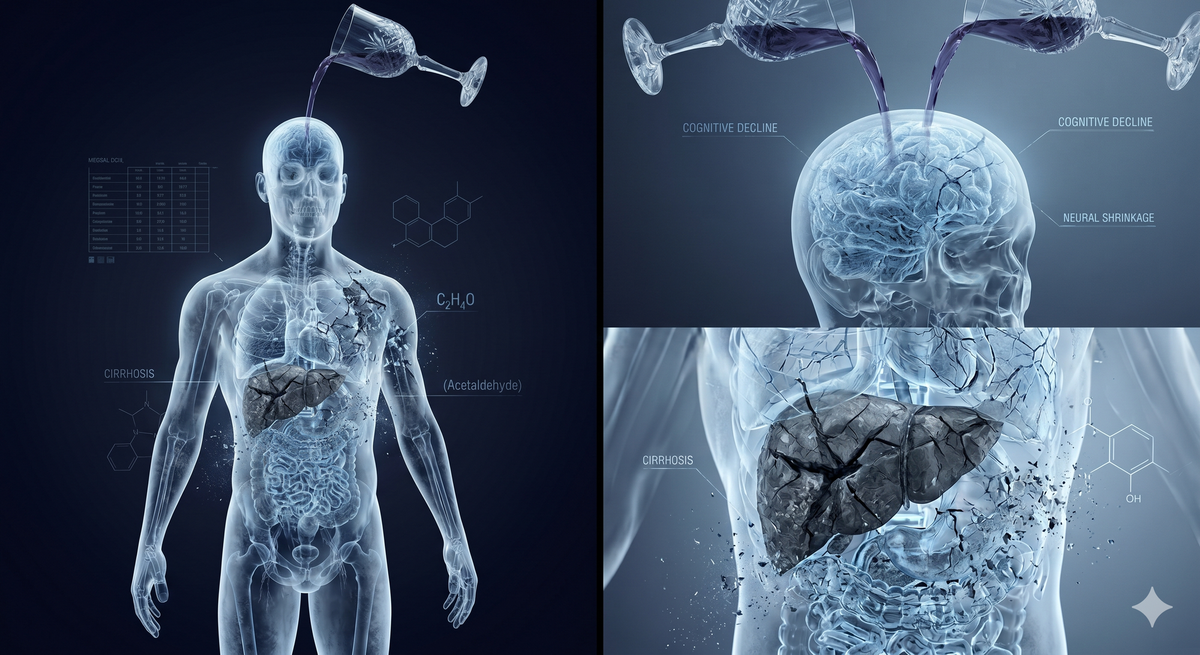
In our society, alcohol is often associated with celebration and relaxation—a harmless social ritual. However, this perception masks a serious threat to our well-being. The casual drink, the nightly glass of wine, the celebratory toast—they all contribute to a cumulative burden on our bodies. This article dives into one of the most critical spheres of life: Health. We will uncover the scientific truth about alcohol, revealing how it gradually damages the body from the inside out. It's time to look past the myths and understand the real impact of this pervasive bad habit on your brain, liver, hormones, and long-term health.
The Illusion of "Moderate" Drinking: Why No Amount is Truly Safe
For years, the idea of "moderate drinking" has been promoted as a safe, or even heart-healthy, habit. But recent science tells a different, more sobering story. The concept that a little alcohol is harmless is a fundamental misunderstanding of its biological effects.
What "Moderate" Drinking Really Means
Official guidelines often define "moderate" drinking as up to one drink per day for women and up to two for men. However, these limits are not a prescription for safe consumption; they are a threshold for harm reduction. The truth is, from the moment alcohol enters your bloodstream, your body treats it as a toxin. The idea that it's "safe" below a certain dose ignores the fact that damage begins with the very first sip.
The Body's Reaction to Any Amount of Alcohol
When you drink alcohol, your liver's primary job is to metabolize it. This process produces a highly toxic compound called acetaldehyde, a known carcinogen. Even in small amounts, acetaldehyde can cause cellular damage and inflammation. This means that every drink, no matter how "moderate," triggers a low-level inflammatory response and contributes to cellular stress. There is no biologically neutral dose of alcohol; there is only a sliding scale of gradual damage.
Alcohol's Assault on the Brain
While the physical effects on the liver are well-known, alcohol's impact on the brain is just as destructive. It acts as a depressant on the central nervous system, and its long-term use leads to significant neurological effects and cognitive decline.
Short-Term Neurological Effects: Memory and Coordination
Alcohol directly interferes with the brain's communication pathways. It disrupts the function of neurotransmitters, leading to the familiar signs of intoxication: slurred speech, poor coordination, and dulled reflexes. Critically, it impairs the hippocampus, the brain region responsible for forming memories. This is what leads to "blackouts"—periods of amnesia where the brain was simply unable to record what happened, a clear sign of acute brain dysfunction.
Long-Term Damage: From Brain Shrinkage to Cognitive Decline
Chronic alcohol consumption leads to lasting structural changes in the brain. Research shows it can cause literal brain shrinkage, reducing the volume of both gray matter (cell bodies) and white matter (communication pathways). This physical damage manifests as severe cognitive impairment, affecting memory, problem-solving, and emotional regulation. In severe cases, it can lead to devastating conditions like Wernicke-Korsakoff syndrome, a form of dementia characterized by profound confusion and memory loss.
The Liver Under Siege: From Fatty Liver to Cirrhosis
The liver bears the brunt of alcohol metabolism, and it is the organ most visibly damaged by chronic drinking. The progression of alcoholic liver disease is a clear illustration of how a seemingly harmless habit can lead to a fatal outcome.
Stage 1: Alcoholic Fatty Liver Disease
More than 90% of people who drink heavily develop alcoholic fatty liver disease. It occurs as the liver, overwhelmed by metabolizing alcohol, begins to accumulate fat. This stage is often asymptomatic and is typically reversible if a person completely stops drinking. However, it is the first critical warning sign that the liver is under serious strain and that you are on the path to more significant liver damage.
Stage 2 & 3: Alcoholic Hepatitis and Cirrhosis
If drinking continues, the constant inflammation can lead to alcoholic hepatitis, a more serious condition where liver cells are destroyed. Symptoms include jaundice, fever, and abdominal pain. The final stage is cirrhosis, where healthy liver tissue is replaced by irreversible scar tissue. This scarring chokes off blood flow and severely impairs the liver's ability to function, ultimately leading to liver failure—a life-threatening condition for which a transplant is the only cure.
The Ripple Effect: Hormones, Sleep, and Cancer
Alcohol's damage extends far beyond the liver and brain, creating a ripple effect that disrupts multiple bodily systems. It throws hormones out of balance, sabotages sleep quality, and significantly increases your risk of developing cancer.
Hormonal Havoc: Disrupting Your Body’s Chemical Messengers
Alcohol is a potent endocrine disruptor, interfering with your body's ability to regulate hormones. This hormonal disruption can have wide-ranging consequences for your health and well-being. Key impacts include:
- Cortisol: Alcohol increases the stress hormone cortisol, which can contribute to chronic stress, weight gain, and a weakened immune system.
- Testosterone: In men, chronic drinking lowers testosterone levels, which can lead to reduced muscle mass, fatigue, and sexual dysfunction.
- Estrogen: Alcohol consumption can alter estrogen levels in women, which is linked to an increased risk of breast cancer and potential disruptions to the menstrual cycle.
The Sleep Deception: How Alcohol Ruins Rest
Many people use alcohol as a sleep aid, but this is a dangerous misconception. While it can make you feel drowsy initially, alcohol severely disrupts the sleep cycle. It particularly suppresses REM sleep, the most restorative phase of sleep, which is crucial for memory consolidation and emotional processing. The result is fragmented, poor-quality sleep that leaves you feeling tired and mentally foggy, undermining the very purpose of the Rest sphere of life.
The Carcinogenic Truth: Linking Alcohol to Cancer
The link between alcohol and cancer is undeniable. As mentioned, the metabolite acetaldehyde is a powerful carcinogen that damages your DNA, creating the potential for cancerous mutations. The International Agency for Research on Cancer classifies alcohol as a Group 1 carcinogen, the same category as tobacco and asbestos. The cancer risk increases with the amount of alcohol consumed. Cancers directly linked to alcohol include:
- Mouth and throat cancer
- Esophageal cancer
- Laryngeal (voice box) cancer
- Liver cancer
- Breast cancer
- Colorectal (bowel) cancer
Reclaiming Your Health
The evidence is clear and overwhelming: alcohol is a toxin that causes gradual, systemic damage to the human body. From shrinking your brain and scarring your liver to disrupting hormones and promoting cancer, it is a significant bad habit that directly undermines your Health. The idea of "safe" or "moderate" drinking is a myth that distracts from the biological reality. Re-evaluating your relationship with alcohol is one of the most powerful steps you can take to reclaim your health, boost your vitality, and invest in a long, healthy future.