
The Real Superfood Is a Pattern, Not a Product

Walk into any health food store, scroll through any wellness influencer's feed, or browse the supplement aisle at your local pharmacy, and you'll encounter a parade of so-called superfoods. Açaí bowls promising eternal youth. Turmeric lattes claiming to cure inflammation. Chia seeds marketed as ancient secrets to boundless energy. The superfood industry has become a multi-billion dollar enterprise built on a seductive but fundamentally flawed premise: that somewhere out there exists a single magical ingredient that will transform your health.
But here's what the marketing campaigns won't tell you. The true key to lasting health isn't hiding in an exotic berry from the Amazon or a powder extracted from an algae you can't pronounce. The real superfood isn't a product at all. It's a pattern. Your overall dietary patterns, the cumulative effect of thousands of food choices made over months and years, matter infinitely more than any single ingredient you could ever consume. This shift in perspective, from products to patterns, represents one of the most important insights in modern nutritional science, and it has profound implications for how we approach our health.
The Superfood Myth: Why We're Looking in the Wrong Place
What Are Superfoods Anyway?
The term superfood has no official scientific or regulatory definition. You won't find it in medical textbooks or nutrition journals as a formal category. Instead, it's essentially a marketing term coined to describe foods that are particularly dense in certain nutrients, antioxidants, or bioactive compounds. The implication, whether stated or suggested, is that these foods possess near-miraculous health properties that set them apart from ordinary fare.
Over the decades, the superfood spotlight has rotated through a dizzying array of products. In the 1990s, it was oat bran and its cholesterol-lowering beta-glucan. The early 2000s brought the blueberry boom, with its anthocyanin antioxidants. Then came pomegranate, green tea, goji berries, kale, quinoa, coconut oil, matcha, spirulina, moringa, and most recently, functional mushrooms like lion's mane and reishi.
Each of these foods does contain legitimate nutritional value. Blueberries genuinely are rich in antioxidants. Salmon truly does provide omega-3 fatty acids. Kale really is packed with vitamins K, A, and C. The problem isn't that these foods lack nutritional merit. The problem is the framework we use to think about them and the outsized claims made about their singular powers.
The Marketing vs. The Science
There exists a profound disconnect between how superfoods are marketed and what nutritional science actually tells us about health. Marketing operates on simple, compelling narratives. It needs heroes and villains, magic bullets and quick fixes. A thirty-second advertisement or an Instagram post can't explain the nuanced interplay of thousands of nutrients over decades of eating. What it can do is present a vibrant purple powder and promise that this one thing will change everything.
Nutritional science, however, tells a far more complex story. Decades of rigorous research, including large-scale epidemiological studies [1], randomized controlled trials, and meta-analyses, consistently point to the same conclusion: what matters most for long-term health outcomes isn't any individual food or nutrient. It's the overall dietary pattern.
 Viktoria Samokhval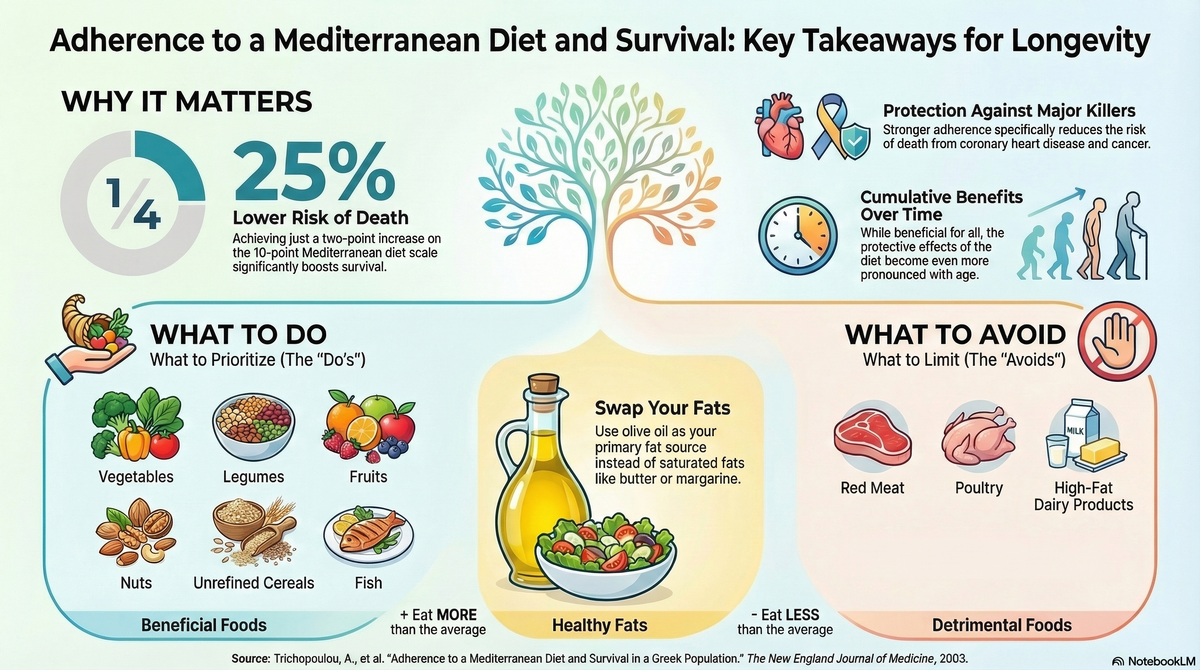
[1]
When researchers examine populations with the longest lifespans and lowest rates of chronic disease, they don't find people obsessively consuming a single miracle ingredient. They find people eating diverse diets rich in whole foods, vegetables, fruits, legumes, whole grains, nuts, and modest amounts of animal products. The Mediterranean diet, the traditional Okinawan diet, the DASH diet for blood pressure, all share common patterns rather than common products.
The famous Lyon Diet Heart Study [2], the PREDIMED trial [3], and countless other landmark nutrition studies didn't test superfoods. They tested dietary patterns. And those patterns, consistently, proved more predictive of health outcomes than any isolated nutrient or ingredient.
 Viktoria Samokhval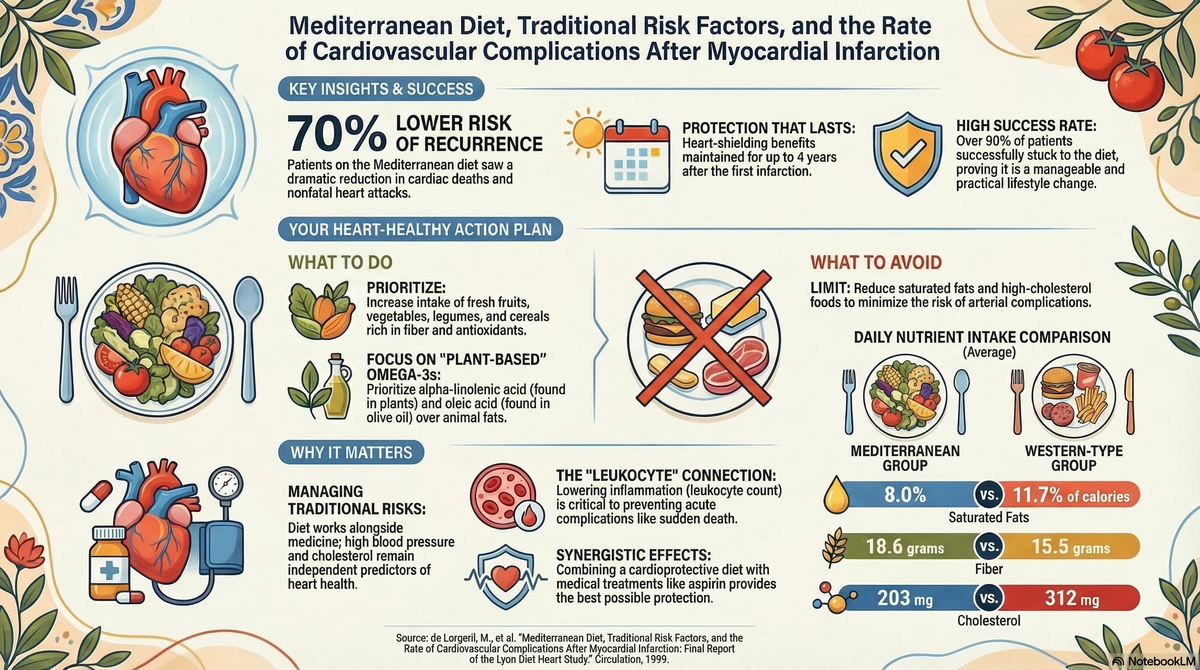
[2]
This isn't to say that certain foods don't have particular benefits. Extra virgin olive oil genuinely supports cardiovascular health. Fermented foods really do contribute to gut microbiome diversity. But these benefits emerge most powerfully within the context of an overall healthy eating pattern, not as isolated supplements to an otherwise poor diet.
 Viktoria Samokhval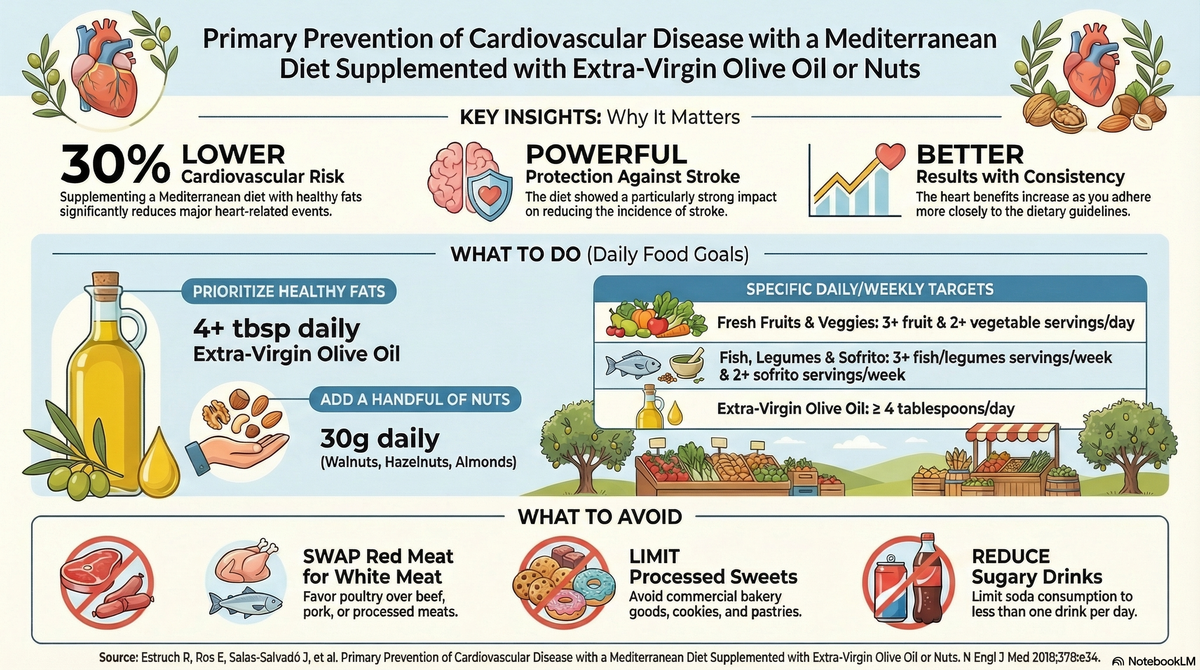
[3]
The Downside of Chasing Miracle Foods
The superfood obsession carries real costs, both financial and nutritional. Let's examine what we sacrifice when we chase the next miracle ingredient.
Financial burden represents the most obvious cost. Superfoods often command premium prices precisely because of their exotic origins or novelty factor. Organic açaí powder can cost forty dollars per pound. High-quality matcha runs even higher. Specialty mushroom extracts, rare berries flown in from distant continents, cold-pressed oils from obscure seeds, the superfood habit can quickly consume a substantial portion of your food budget.
That same money, spent on humble but nutrient-dense whole foods like beans, lentils, cabbage, carrots, and seasonal local produce, would provide far more nutritional return on investment. The irony is that many truly health-promoting foods, like dried beans, frozen vegetables, oats, and bananas, are among the most affordable items in the grocery store.
Beyond the financial drain, superfood fixation can lead to imbalanced eating. When we elevate certain foods to magical status, we implicitly demote others. This can create a distorted relationship with food where we feel virtuous eating trendy items and guilty eating ordinary ones. Someone might happily spend seven dollars on an açaí bowl while neglecting basic dietary variety throughout the rest of the day.
The superfood mentality also encourages what nutrition researchers call nutritionism, reducing foods to their component nutrients or compounds rather than appreciating them as complex wholes. We start thinking in terms of antioxidants and polyphenols rather than meals and eating experiences. This reductive thinking leads us away from the traditional food wisdom that actually sustained healthy populations for generations.
Perhaps most damaging, the superfood narrative distracts us from what truly matters. Every minute spent researching the next miracle berry is a minute not spent developing sustainable, balanced eating habits. Every dollar spent on specialty powders is a dollar not invested in learning to cook simple, delicious meals from whole ingredients. The superfood industry profits from our focus on products. Our health profits from our focus on patterns.
Shifting Focus: From Products to Patterns
What is a Dietary Pattern?
A dietary pattern is exactly what it sounds like: the overall picture of what you eat and drink, not in a single meal or day, but across weeks, months, and years. It encompasses not just which foods you consume, but how often, in what combinations, in what quantities, and in what contexts.
Think of your dietary pattern as the sum total of your nutritional inputs over time. Individual meals and foods are like pixels in a photograph. Up close, each pixel matters little. But step back, and the overall pattern creates the image. That image, the big picture of your eating life, determines the bulk of your nutritional health outcomes.
This perspective aligns with viewing health as a system rather than a collection of isolated factors. Your body doesn't respond to the kale you ate this morning in isolation. It responds to the totality of nutrients, fiber, phytochemicals, and energy you've provided over time, and how all those inputs interact with your genetics, your activity levels, your stress, your sleep, and countless other variables.
Dietary patterns operate on systems-level dynamics. A diet consistently rich in fiber feeds beneficial gut bacteria, which produce short-chain fatty acids, which reduce inflammation, which protects against chronic disease. A diet habitually high in ultra-processed foods disrupts blood sugar regulation, increases systemic inflammation, alters the gut microbiome negatively, and gradually increases disease risk [4]. These are cascading, interconnected effects that unfold over time, not the result of any single meal or ingredient.
 Viktoria Samokhval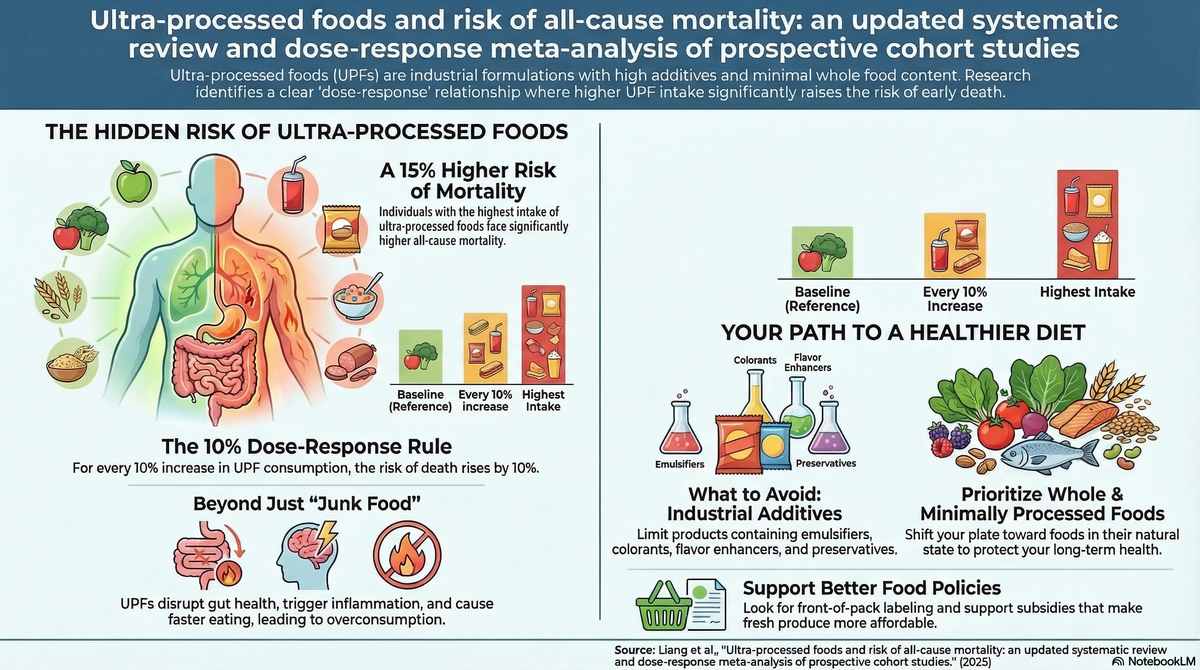
[4]
Understanding this systems perspective liberates us from the anxiety of nutritional perfectionism. You don't need to optimize every meal. You don't need to panic over an occasional indulgence. What you need is to establish patterns that, over the long haul, provide your body with what it needs while minimizing chronic exposures to what harms it.
Nutrient Synergy: The Whole is Greater Than the Sum of its Parts
One of the most important concepts in understanding why dietary patterns trump individual superfoods is nutrient synergy, the phenomenon where nutrients in whole foods work together in ways that isolated nutrients cannot replicate.
When you eat an orange, you don't just consume vitamin C. You consume vitamin C alongside fiber, folate, potassium, thiamine, and hundreds of plant compounds including flavonoids, carotenoids, and limonoids, all packaged within a natural food matrix that controls how rapidly these nutrients are absorbed and processed by your body.
This matrix effect matters enormously. Studies have repeatedly shown that nutrients consumed in whole food form behave differently in the body than the same nutrients taken as supplements. The fiber in the orange slows sugar absorption, preventing blood glucose spikes. The flavonoids enhance vitamin C absorption. The various compounds interact in ways that researchers are only beginning to understand.
Consider the tomato. Lycopene, the red pigment in tomatoes, is a potent antioxidant. But lycopene absorption is dramatically enhanced when tomatoes are cooked and consumed with fat. The traditional Italian combination of tomatoes cooked in olive oil isn't just delicious, it's a perfect example of nutrient synergy in action. Cultures developed these food combinations over centuries not because they understood biochemistry, but because they intuitively recognized that certain foods work better together.
The same principle applies across your entire dietary pattern. Iron from plant foods is better absorbed when consumed with vitamin C. Fat-soluble vitamins require dietary fat for absorption. Certain amino acids complement each other when legumes are combined with grains. Your gut bacteria need diverse fibers from varied plant sources to maintain microbial diversity.
No superfood powder can replicate these intricate, evolved interactions. No supplement stack can reproduce the complexity of a meal of roasted vegetables, grilled fish, and a colorful salad dressed with extra virgin olive oil. The whole, in nutrition, is genuinely greater than the sum of its parts.
The Three Pillars of a Healthy Pattern
If dietary patterns matter more than individual foods, what makes a pattern healthy? Decades of nutritional research have converged on three core principles that characterize health-promoting dietary patterns across diverse cultures and contexts [5].
 Viktoria Samokhval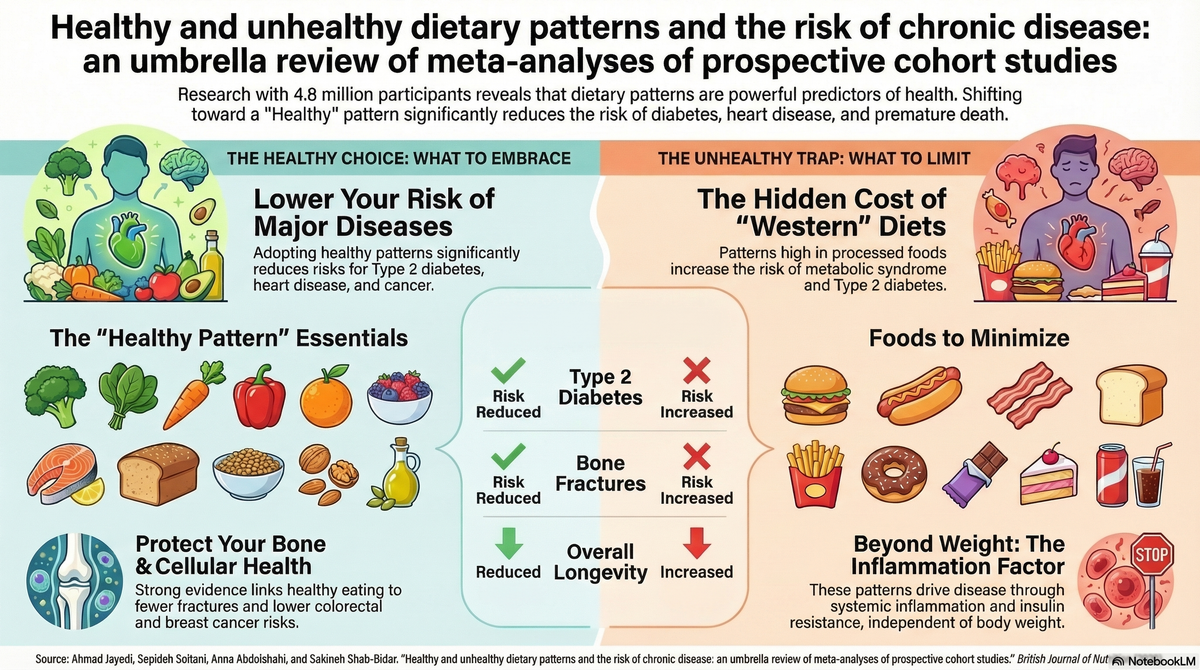
[5]
The first pillar is diversity. Healthy populations don't eat the same few foods over and over. They consume a wide variety of vegetables, fruits, legumes, whole grains, nuts, seeds, and other whole foods. Diet diversity ensures exposure to the full spectrum of essential nutrients, prevents deficiencies, and provides the varied fibers and phytochemicals needed to support a thriving gut microbiome.
The second pillar is fiber. Despite being a humble, unsexy nutrient with no marketing budget, fiber is arguably the most under-consumed nutrient in modern Western diets. It feeds beneficial gut bacteria, promotes satiety, regulates blood sugar, binds to cholesterol, and may even affect brain function through the gut-brain axis. High-fiber diets consistently associate with reduced risks of heart disease, type 2 diabetes, and colorectal cancer.
The third pillar is minimizing ultra-processed foods. Not all processing is problematic, but ultra-processed foods, engineered products containing ingredients you wouldn't find in a home kitchen like high-fructose corn syrup, hydrogenated oils, and chemical additives, increasingly appear as a primary driver of modern chronic disease. These products are designed to override natural satiety cues, displace whole foods from the diet, and may harm health through mechanisms we don't yet fully understand.
These three pillars form the foundation of virtually every evidence-based dietary pattern associated with good health, from Mediterranean eating to traditional Asian diets to modern whole-foods plant-based approaches. The specific foods vary, but the principles remain constant.
Building Your High-Impact Health Pattern: Practical Steps
Pillar 1: Embrace Diversity
Expanding dietary diversity sounds simple, but most people dramatically underestimate how narrow their eating patterns actually are. Research suggests that the average American regularly consumes fewer than twenty distinct plant foods. Traditional healthy populations often consumed hundreds of different plant species over the course of a year.
Here are specific, actionable strategies to increase the variety in your eating pattern:
- Eat the rainbow intentionally. Different colors in fruits and vegetables indicate different phytochemical profiles. Red foods like tomatoes and watermelon contain lycopene. Orange foods like carrots and sweet potatoes are rich in beta-carotene. Purple foods like eggplant and berries offer anthocyanins. Green foods provide chlorophyll and folate. Make it a goal to include at least three different colors in every main meal.
- Institute a one new vegetable per week policy. Each week at the grocery store, purchase one vegetable you haven't eaten in the past month, or ever. It might be rutabaga, daikon radish, kohlrabi, fennel, or bitter melon. Search for a simple recipe, prepare it, and expand your repertoire. Over a year, this single habit introduces fifty-two more vegetables into your dietary pattern.
- Explore different cuisines. Every food culture emphasizes different plants and preparation methods. Indian cuisine features legumes like lentils and chickpeas with unique spices. Korean cooking incorporates fermented vegetables, sesame, and diverse leafy greens. Ethiopian food centers around injera bread with various vegetable stews. Japanese cuisine emphasizes sea vegetables, soy, and a remarkable variety of pickled items. Cooking from different traditions naturally diversifies your diet.
- Rotate your staples. If you always buy the same apples, rice, and bread, consciously rotate. Try different apple varieties. Alternate between brown rice, quinoa, farro, and barley. Switch between different whole grain breads. This simple rotation multiplies your nutrient exposure without requiring dramatic changes.
- Shop seasonally at farmers markets. Seasonal produce from local farms often includes heirloom varieties and unusual items not found in supermarkets. The social experience of farmers markets also tends to inspire more adventurous eating.
- Vary your protein sources. If you eat meat, don't limit yourself to chicken and beef. Include fish, eggs, legumes, and various plant proteins. If you're plant-based, rotate between different beans, lentils, tofu, tempeh, nuts, and seeds rather than relying on the same few protein sources.
Pillar 2: Make Fiber Your Friend
Fiber deserves far more attention than it typically receives. This humble nutrient, found exclusively in plant foods, does remarkable things for human health. Yet the average American consumes only about fifteen grams of fiber daily, well below the recommended minimum of twenty-five grams for women and thirty-eight grams for men.
Understanding what fiber does helps motivate its consumption. In the gut, soluble fiber forms a gel-like substance that slows digestion, helping regulate blood sugar and binding to cholesterol for excretion. Insoluble fiber adds bulk to stool and promotes regular bowel movements. Perhaps most importantly, fermentable fibers feed the beneficial bacteria in your colon. These bacteria produce short-chain fatty acids like butyrate, which nourish the cells lining your intestine, reduce inflammation, and may even influence brain function and mood.
High-fiber foods form the backbone of any healthy dietary pattern. Here's a list of excellent fiber sources to incorporate regularly:
- Legumes reign supreme in the fiber department. A cup of cooked lentils provides about sixteen grams of fiber. Black beans offer fifteen grams per cup. Chickpeas, kidney beans, and split peas all deliver twelve or more grams per cup. Including legumes in your diet several times weekly dramatically boosts fiber intake while also providing plant protein, iron, and B vitamins.
- Whole grains contribute significant fiber when truly whole. A cup of cooked barley offers six grams. Oats provide four grams per cooked cup. Quinoa, brown rice, bulgur, and whole wheat pasta all add meaningful fiber. Avoid refined grains, which strip away the fiber-rich bran and germ.
- Vegetables vary widely in fiber content. Artichokes are fiber champions with over ten grams per medium artichoke. Green peas, broccoli, Brussels sprouts, and carrots all contribute meaningfully. Even lower-fiber vegetables add up when consumed in variety and volume.
- Fruits also contribute, especially those eaten with their skins. Raspberries and pears are particularly fiber-rich. Apples, bananas, oranges, and berries all add fiber while satisfying sweet cravings with whole food.
- Nuts and seeds provide fiber alongside healthy fats. Almonds, chia seeds, and flaxseeds are particularly notable.
Practical tips for increasing fiber intake include:
- Add legumes to meals where they don't traditionally appear. Toss white beans into salads, add lentils to pasta sauce, blend chickpeas into smoothies, or incorporate black beans into scrambled eggs.
- Start your day with a fiber-rich breakfast. Overnight oats with chia seeds, berries, and nuts can provide ten or more grams of fiber before noon.
- Snack on high-fiber options. Raw vegetables with hummus, apple slices with almond butter, or a handful of almonds easily boost daily fiber.
- Increase fiber intake gradually. Adding too much fiber too quickly can cause digestive discomfort. Increase slowly over several weeks while drinking plenty of water.
Pillar 3: Minimize Ultra-Processed Foods
Ultra-processed foods represent a relatively new phenomenon in human dietary history. Unlike traditional processing methods like fermentation, drying, or simple cooking, ultra-processing involves industrial techniques and ingredients rarely found in home kitchens. These products are engineered to be hyper-palatable, convenient, and shelf-stable, often at the expense of nutritional quality and health.
Examples of ultra-processed foods include:
- Soft drinks and most sweetened beverages
- Packaged snacks like chips, crackers, and cookies
- Mass-produced breads and baked goods with long ingredient lists
- Instant noodles and reconstituted meat products
- Frozen pizzas and ready-to-heat meals
- Ice cream and industrially produced desserts
- Sweetened breakfast cereals
- Energy bars and many protein bars
- Fast food items
These products typically contain high levels of added sugars, refined starches, unhealthy fats, and sodium. They often include additives like emulsifiers, stabilizers, artificial flavors, and colors that may independently affect health. Perhaps most importantly, they displace whole foods from the diet. Every calorie from an ultra-processed product is a calorie not coming from vegetables, legumes, whole grains, or other nutritious foods.
Emerging research increasingly implicates ultra-processed foods in obesity, heart disease, type 2 diabetes, certain cancers, and even depression and cognitive decline. The mechanisms likely include disrupted appetite regulation, negative effects on the gut microbiome, and inflammatory responses to certain additives.
Here is a step-by-step approach for gradually reducing ultra-processed foods:
- Awareness. For one week, simply notice how many of your calories come from ultra-processed products. Read ingredient lists. If a product contains ingredients you don't recognize or wouldn't use in home cooking, it's likely ultra-processed. This awareness phase creates the foundation for change.
- Identify your biggest sources. Maybe it's the sweetened beverages you drink daily. Perhaps it's the packaged snacks you grab between meals. It could be the fast food lunches during workweeks. Identify the two or three most significant sources in your personal pattern.
- Find whole-food alternatives. For each major ultra-processed food in your diet, identify a less processed alternative. Instead of sweetened yogurt, buy plain yogurt and add fresh fruit. Instead of flavored instant oatmeal, make overnight oats with real oats. Instead of granola bars, snack on nuts and dried fruit. These substitutions don't require dramatic lifestyle changes but significantly improve dietary quality.
- Upgrade cooking skills. Many people default to ultra-processed foods because cooking feels difficult or time-consuming. Learning just five to ten simple recipes dramatically increases your ability to eat well. Batch cooking on weekends, using simple preparation methods like roasting and stir-frying, and keeping staple ingredients stocked all make whole-food eating easier.
- Address eating out and convenience. Identify restaurants that prepare food from whole ingredients rather than reheating pre-made products. Keep emergency whole-food options on hand for busy days, such as canned beans, frozen vegetables, eggs, and nuts. Planning prevents the desperate turn to ultra-processed options.
- Maintain realistic expectations. The goal isn't eliminating every processed food from your life forever. It's building a pattern where whole foods dominate and ultra-processed foods are occasional rather than routine. Progress matters more than perfection.
Health as a System: Connecting Your Diet to a Bigger Picture
How Your Food Pattern Fuels Other Life Spheres
Your dietary pattern doesn't exist in isolation. What you eat affects, and is affected by, virtually every other dimension of your life. Understanding these connections reinforces why investing in healthy eating patterns pays dividends far beyond physical health metrics.
Consider the connection between food patterns and mental clarity (Growth). Your brain consumes roughly twenty percent of your daily energy despite comprising only two percent of body weight. It requires steady glucose supply, omega-3 fatty acids for neuronal membranes, B vitamins for neurotransmitter synthesis, and protection from oxidative stress. A dietary pattern rich in whole foods provides all of these, while ultra-processed foods spike and crash blood sugar, contribute to inflammation that may affect brain function, and often lack brain-supporting nutrients.
The energy and focus (Career) fueling professional performance also trace back to eating patterns. The afternoon slump that sends millions reaching for caffeine and sugary snacks often reflects not inadequate sleep but inadequate nutrition. Blood sugar dysregulation from refined carbohydrates and ultra-processed foods creates cycles of energy crashes. A whole-foods dietary pattern provides more stable energy, clearer thinking, and sustained focus throughout the workday.
Rest and recovery, another crucial life domain, also connects intimately to eating patterns. Sleep quality depends partly on dietary factors. Heavy meals close to bedtime disrupt sleep architecture. Caffeine and alcohol, both common in poor dietary patterns, interfere with restorative sleep. Conversely, diets adequate in magnesium, certain B vitamins, and tryptophan-containing foods may support better sleep.
When you improve your dietary pattern, you're not just reducing disease risk statistics on a medical chart. You're enhancing your capacity to think, work, rest, connect, and live fully. This systemic view motivates dietary change more powerfully than narrow health metrics alone.
Conclusion
The superfood industry will continue launching new products, each marketed as the next breakthrough in nutritional science. Wellness influencers will keep promoting exotic ingredients with promises of transformation. The appeal of a simple solution to complex health challenges will never fade.
But now you understand what truly matters. The real superfood isn't a berry or a powder or a extract. It's the pattern of eating you develop over months and years. That pattern, built on three fundamental pillars, holds more power over your health than any single product ever could.
Diversity stands as the first pillar, eating the rainbow, varying your plant foods, exploring different cuisines, and exposing yourself to the widest possible range of nutrients and phytochemicals. Every new vegetable you try, every recipe you learn from another food tradition, every rotation in your usual staples contributes to this diversity.
Fiber forms the second pillar, that humble, unsexy nutrient that feeds your gut bacteria, regulates your blood sugar, protects your cardiovascular system, and keeps your digestive tract healthy. Legumes, whole grains, vegetables, fruits, nuts, and seeds all contribute. Building fiber into every meal transforms gut health over time.
Minimizing ultra-processed foods completes the third pillar. These industrial products, engineered for palatability and convenience, increasingly appear as a major driver of modern chronic disease. Replacing them with whole foods prepared simply at home represents one of the highest-impact health changes available.
These three pillars don't require expensive ingredients, complex calculations, or nutritional expertise. They don't demand perfection. They require only consistent, patient effort to improve your overall pattern over time.
Your call to action is simple: take one small step today. Perhaps it's buying a vegetable you've never tried before. Perhaps it's adding a can of beans to your pantry for this week's meals. Perhaps it's deciding to prepare one meal at home instead of ordering delivery. Perhaps it's simply becoming more aware of how many ultra-processed foods currently populate your eating pattern.
Whatever step you take, take it with the understanding that health is not a destination reached through miracle products. Health is a journey of consistent, imperfect habits maintained across years and decades. Each meal where you choose whole foods over processed ones, each week where you expand your vegetable variety, each month where fiber intake increases slightly, these small choices compound into patterns that shape your health trajectory.
The superfood you're looking for isn't on any store shelf. It's the pattern you're building with every meal you eat. Start building that pattern today, and let the benefits compound across the rest of your life.
References
-
Trichopoulou A., Costacou T., Bamia C., Trichopoulos D.
Adherence to a Mediterranean Diet and Survival in a Greek Population.
The New England Journal of Medicine, 2003; 348:2599–2608.DOI:10.1056/NEJMoa025039 -
de Lorgeril M., Salen P., Martin J.L., Monjaud I., Delaye J., Mamelle N.
Mediterranean diet, traditional risk factors, and the rate of cardiovascular complications after myocardial infarction: final report of the Lyon Diet Heart Study.
Circulation, 1999 DOI: 10.1161/01.cir.99.6.779 -
Estruch R., Ros E., Salas-Salvadó J., et al. Primary Prevention of Cardiovascular Disease with a Mediterranean Diet (Re-analysis).
New England Journal of Medicine, 2018. DOI: 10.1056/NEJMoa1800389 -
Zhang, Y., et al. Ultra-processed foods and risk of all-cause mortality: an updated systematic review and dose-response meta-analysis of prospective cohort studies.
Systematic Reviews,2025. 14, Article 28. DOI: 10.1186/s13643-025-02800-8 -
Jayedi, A., Soltani, S., Abdolshahi, A., & Shab‑Bidar, S. Healthy and unhealthy dietary patterns and the risk of chronic disease: an umbrella review of meta‑analyses of prospective cohort studies.
British Journal of Nutrition, 2020. 124(11), 1133–1144. https://doi.org/10.1017/S0007114520002330