The Chemistry of Friendship: What "Social Support and Oxytocin Interact to Suppress Cortisol and Subjective Responses to Psychosocial Stress" Teaches Us About Overcoming Anxiety
We have all experienced the dreaded knot in our stomach before a high-stakes event, like a major job interview, a public speech, or a difficult conversation. In those moments of panic, our first instinct is often to reach out to a best friend or a loved one. We know that hearing a friendly voice makes us feel better, but we usually assume it is just a temporary emotional comfort.
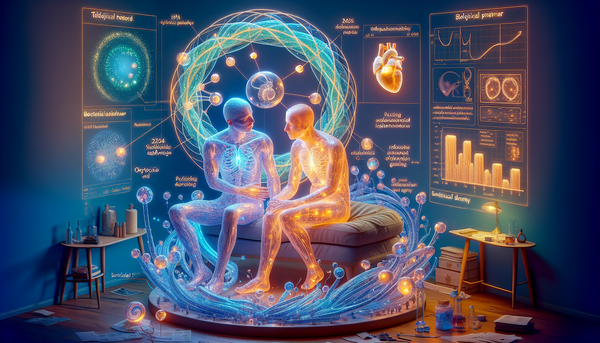
What if that comforting conversation is actually changing the chemical makeup of your brain? A fascinating psychobiological study proves that the calming power of friendship is not just in your head—it is deeply rooted in your biology. Researchers discovered that the presence of a friend, combined with the body's natural "bonding" hormone, physically acts as a brake on your body's stress response. Here is what the science says about the biological power of connection, and how you can use it to hack your anxiety.
The Friendship Buffer
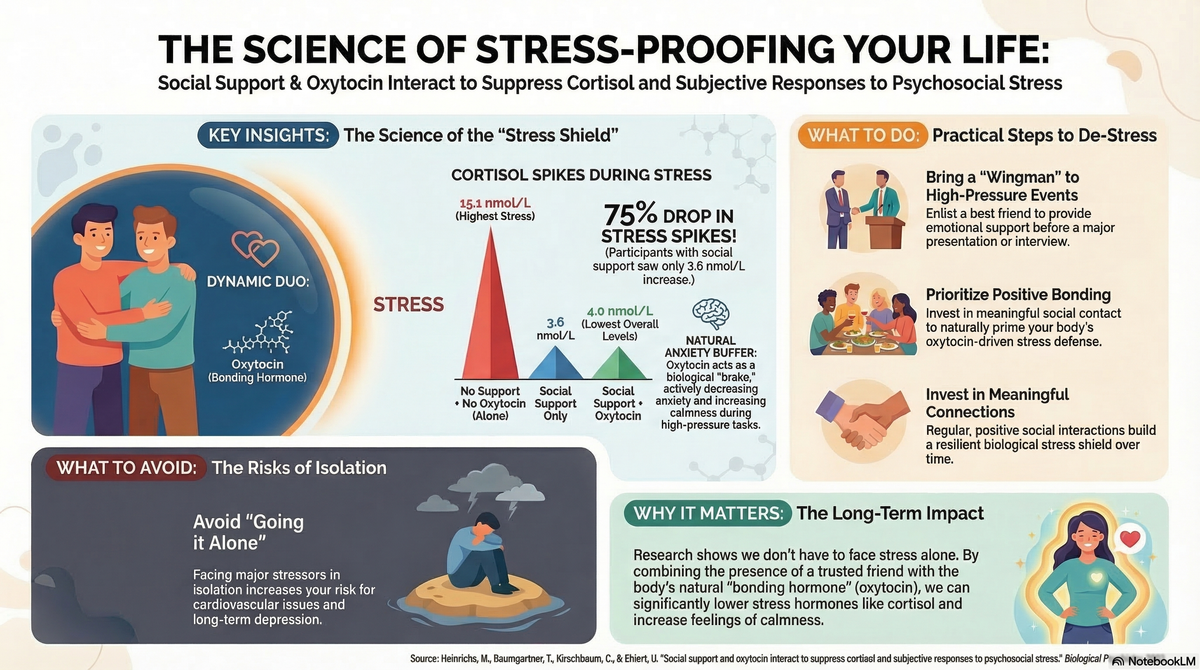
When we face a stressful situation, our bodies automatically pump out cortisol, a primary stress hormone that triggers our "fight or flight" response. The most immediate insight from this research is that simply receiving emotional and instrumental support from a best friend right before a stressful event significantly suppresses this cortisol surge. The presence of someone who cares about you literally buffers your physiological reaction to stress, preventing your body from going into full panic mode,. Your friend's support tells your nervous system that the threat is manageable.
Practical Guidance:
- What to do: Before you step into a high-pressure situation, spend ten minutes talking to a close friend or family member to proactively lower your cortisol levels.
- What not to do: Don't isolate yourself when you are feeling overwhelmed; trying to "tough it out" alone guarantees you will face the full, unbuffered physiological impact of the stress.
- Habit to change: Shift your stress-management routine. Instead of relying solely on solitary activities like deep breathing or listening to music, make reaching out for human connection your first line of defense.
The Calming Power of Oxytocin
The study also focused heavily on oxytocin, a neuropeptide famous for its role in social attachment, bonding, and prosocial behavior,. The researchers found that oxytocin acts as a powerful, natural anxiolytic—meaning it actively reduces feelings of anxiety and increases your sense of calmness under pressure. While cortisol revs up your stress, oxytocin naturally calms the brain's panic centers and inhibits the stress-responsive systems in your body.
Practical Guidance:
- What to do: Seek out safe, warm, and positive social interactions that naturally stimulate your body's oxytocin production, such as hugging a loved one, bonding with a pet, or having a deep conversation.
- What not to do: Don't underestimate the physical, medical value of a warm social bond; it is a biological necessity for managing everyday anxiety.
- Decision to change: When you are feeling anxious, intentionally pivot toward activities that foster trust and emotional intimacy, knowing that these actions are releasing natural, anxiety-killing chemicals in your brain.
The Ultimate Stress Shield: A Chemical Synergy
The most groundbreaking discovery in this research is what happens when friendship and oxytocin combine. The study revealed that people who had both a supportive friend present and high levels of oxytocin experienced the absolute lowest cortisol levels, the least amount of anxiety, and the greatest sense of calm during a stressful event,. Oxytocin essentially supercharges the buffering effect of social support. The effectiveness of a friend's comforting words is maximized when your brain's bonding chemistry is active.
Practical Guidance:
- What to do: Combine emotional support with genuine bonding. When you need to calm down, seek out a face-to-face interaction or a warm phone call where you can hear a loved one's voice, rather than just sending a text message.
- What not to do: Don't assume that a quick, transactional exchange with a coworker will cure your stress; the deepest calming effects require genuine, positive social interaction.
- Habit to change: Stop treating your relationships as mere social obligations. Start treating your close friendships as the ultimate, biological armor against the inevitable stresses of daily life.
Summary for Life
The deep truth of human neurobiology boils down to a single, concrete life rule: To effectively conquer stress, you must stop trying to fight anxiety alone and instead actively lean on your loved ones, allowing the powerful combination of emotional support and natural bonding chemistry to calm your mind and body.
Reflective Question: The next time you are facing a nerve-wracking challenge, who is the one person you will call to help you biologically hack your stress response?
References
Heinrichs, M., Baumgartner, T., Kirschbaum, C., & Ehlert, U.
Social support and oxytocin interact to suppress cortisol and subjective responses to psychosocial stress. Biological Psychiatry, 2003 54(12), 1389–1398.