The Chemistry of Connection: What "Oxytocin and vasopressin in the human brain: social neuropeptides for translational medicine" Teaches Us About Trust, Stress, and Relationships
We all know the comforting feeling of a warm hug after a grueling day, or the sharp sting of a friend's betrayal. We tend to think of trust, empathy, and social anxiety as purely psychological experiences, governed entirely by our thoughts and personalities. But what if our ability to connect with others is actually driven by a powerful, invisible chemical engine inside our brains?
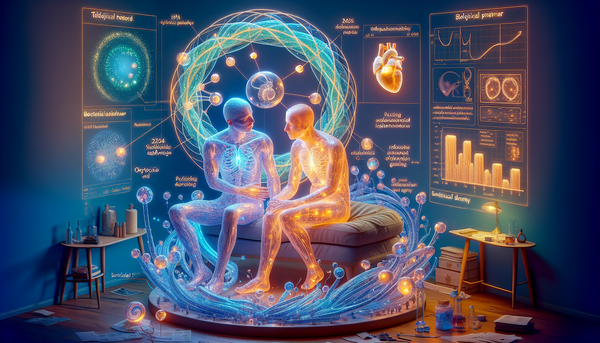
A comprehensive review of human neurobiology reveals that our social lives are heavily orchestrated by two tiny molecules: oxytocin and vasopressin. These ancient neuropeptides dictate how we read faces, how we handle stress, and whether we choose to trust a stranger. Here is what the science says about the biological machinery of human connection, and how you can harness this chemistry to build a calmer, more empathetic life.
The "Trust Molecule" and Social Courage
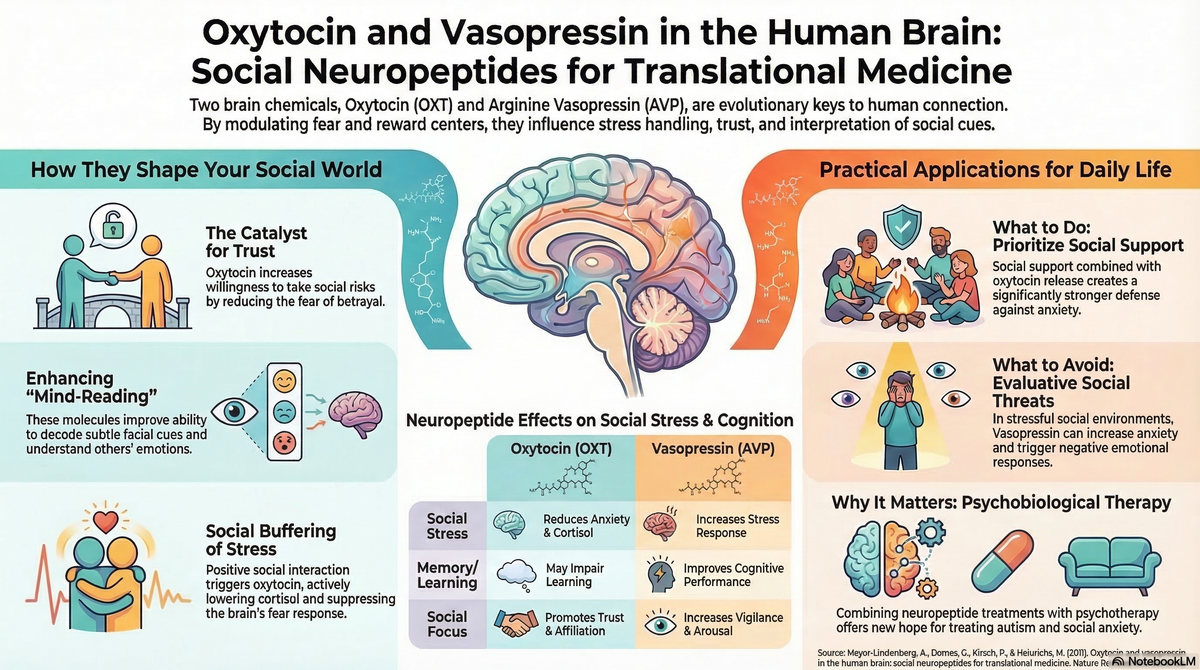
Oxytocin is famous for its role in bonding, but its power goes far beyond making us feel warm and fuzzy. The research shows that oxytocin acts as a powerful catalyst for social courage. When this neuropeptide is elevated in the brain, it significantly increases our willingness to take social risks and place trust in others. Remarkably, it even helps people maintain their trust and continue cooperating after someone has betrayed them. Oxytocin essentially lowers our natural social defenses, giving us the chemical bravery required to open up to new people and repair broken bonds.
Practical Guidance:
- What to do: Actively engage in positive, safe social interactions to naturally trigger your brain's bonding chemistry, making it easier to build new relationships.
- What not to do: Don't isolate yourself after a minor social rejection or betrayal; hiding away deprives your brain of the oxytocin needed to heal and trust again.
- Habit to change: Shift your mindset when meeting new people. Instead of focusing entirely on the risks of being judged, view social approach as a way to exercise your brain's trust circuitry.
The Ultimate Stress Shield
When you are facing a terrifying presentation or a difficult conversation, your body pumps out cortisol, a primary stress hormone. However, the science reveals a profound biological loophole known as "social buffering". When you receive emotional support from a friend, your brain releases oxytocin, which physically dampens the activation of the amygdala—the brain's fear and panic center. This combination of social support and oxytocin dramatically suppresses your cortisol levels and reduces your subjective feelings of anxiety. A comforting friend doesn't just make you feel better emotionally; they literally alter your brain chemistry to stop the stress response in its tracks.
Practical Guidance:
- What to do: Right before a high-stakes, stressful event, spend a few minutes talking to a supportive friend or loved one to proactively activate your brain's chemical stress buffer.
- What not to do: Don't try to "tough it out" alone when you are overwhelmed, as lacking social support leaves your body to face the full physiological impact of stress.
- Decision to change: Make reaching out to a trusted confidant your primary, automatic reflex for managing acute anxiety, rather than relying solely on solitary coping mechanisms.
Reading Minds and Building Empathy
Have you ever wondered why some people can instantly "read a room" while others miss obvious social cues? Oxytocin plays a critical role in our ability to decode the emotions of others. The research demonstrates that this neuropeptide improves our ability to read subtle facial expressions, largely because it naturally directs our visual attention to the eye region of another person's face. Furthermore, oxytocin enhances emotional empathy—the ability to genuinely feel what someone else is experiencing—and increases our feelings of secure attachment to others.
Practical Guidance:
- What to do: Maintain intentional eye contact during important conversations, as looking at the eyes is biologically necessary for decoding emotions accurately.
- What not to do: Avoid having highly emotional or conflict-driven conversations over text message, where facial cues and natural bonding chemistry are completely absent.
- Habit to change: When someone is speaking to you, make a conscious effort to look at their face rather than your phone, actively feeding your brain the visual data it needs to generate empathy.
The Double-Edged Sword of Alertness
While oxytocin generally calms us and brings us together, its chemical cousin, vasopressin, plays a more complex role. Vasopressin can enhance cognitive functioning, focus, and memory, making us sharper. However, in stressful situations—especially those involving social evaluation or the threat of judgment—vasopressin actively increases the body's stress response. Furthermore, under certain conditions, vasopressin can make people (particularly men) perceive the faces of others as less friendly and more threatening. The very chemistry that keeps us alert can also make us defensive.
Practical Guidance:
- What to do: Recognize that feeling highly defensive or perceiving coworkers as hostile under pressure is often a temporary, chemically driven state, not an objective reality.
- What not to do: Don't make snap judgments about someone's "hostile" intentions when you are in a highly competitive or socially threatening environment.
- Habit to change: Pause before reacting aggressively in a stressful social situation, giving your brain's threat-detection system a moment to cool down and reassess the actual danger.
Summary for Life
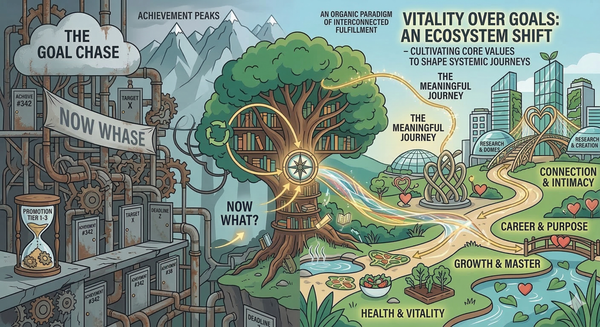
The deep truth of human neurobiology boils down to a single, concrete life rule: To build a resilient and joyful life, we must stop viewing social connection as a casual luxury and instead treat it as a fundamental biological necessity that chemically wires our brains for trust, empathy, and stress relief.
Reflective Question: If a single conversation has the power to chemically alter your brain's fear response, who is the first person you will reach out to the next time you feel overwhelmed?
References
Meyer-Lindenberg, A., Domes, G., Kirsch, P., & Heinrichs, M. Oxytocin and vasopressin in the human brain: Social neuropeptides for translational medicine. Nature Reviews Neuroscience, 2011. 12(9), 524–538.