
The Best Daily Diet for ADHD Adults: What a Dietitian Actually Eats to Support Focus and Energy
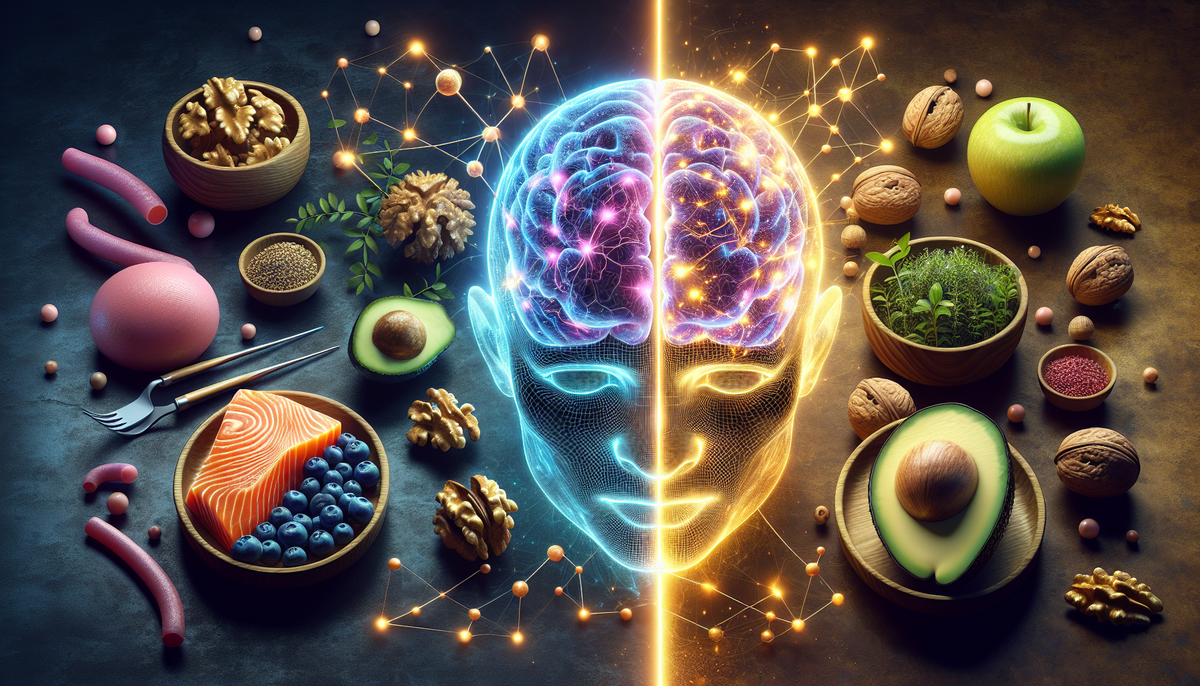
If you have ADHD, you already know how unpredictable focus and energy can be from one hour to the next. What most people don't realize is that what you eat is directly shaping the neurotransmitters your brain depends on for attention, motivation, and impulse control. A preventive cardiology dietitian breaks down exactly what an evidence-based ADHD diet for adults looks like — and why some popular dietary trends may actually make things worse.
Why Nutrition Matters for ADHD — The Brain Science
ADHD is fundamentally characterized by dysregulation of dopamine and norepinephrine — two neurotransmitters that govern attention, motivation, and executive function. What most people don't appreciate is that these brain chemicals are built directly from the foods you eat. Amino acids from dietary protein are the raw material your body uses to synthesize dopamine and norepinephrine. Without adequate protein intake, the brain simply doesn't have the building blocks it needs to maintain adequate neurotransmitter levels.
Beyond neurotransmitter production, blood sugar stability is critical for ADHD brain function. When blood sugar drops — after skipping a meal or eating refined carbohydrates that spike and crash — the brain loses the glucose it needs to sustain attention. The result looks almost identical to an ADHD flare: difficulty concentrating, irritability, impulsivity. Finally, emerging research links gut microbiome health to ADHD. Dysbiosis — an imbalance in gut bacteria — is associated with neuroinflammation that may worsen ADHD symptoms through the gut-brain axis.
Why Keto Is Not the Answer for ADHD
The ketogenic diet has attracted attention as a potential ADHD intervention, partly because it eliminates sugar and refined carbs, which genuinely do aggravate symptoms. But the evidence does not support keto as an ADHD-friendly diet strategy for most adults, and dietitian Michelle Routhenstein cautions strongly against it.
First, keto is inherently low in many nutrients that are critical for the ADHD brain — B vitamins, magnesium, fiber, and a variety of antioxidants found in fruits and whole grains. These nutrients are sacrificed in favor of high fat intake. Second, and perhaps more importantly, people with ADHD already face elevated cardiovascular risk. A high-saturated-fat diet compounds this risk significantly. Third, the restrictive nature of keto makes it particularly difficult for adults with ADHD, who often struggle with meal planning, impulsivity around food, and the executive function demands of food prep. The overall picture: keto removes some problematic foods while creating new nutritional and cardiovascular problems. Stable energy actually depends on the right balance of carbohydrates, protein, fiber, and healthy fats — not the elimination of an entire macronutrient.
The Best Foods to Eat With ADHD — A Dietitian's Daily Protocol
Rather than focusing on restriction, the best ADHD nutrition approach is about building a consistent pattern of eating that keeps neurotransmitters supported and blood sugar stable throughout the day. Here are the key nutritional pillars.
Protein at Every Meal
Protein is the cornerstone of any effective ADHD diet. Amino acids — especially tyrosine and phenylalanine — are the direct precursors to dopamine and norepinephrine. When you include protein sources at every meal, you provide a steady supply of these building blocks throughout the day. Best sources include eggs, lean chicken and turkey, fish, legumes (lentils, chickpeas, black beans), Greek yogurt, cottage cheese, and tofu. A protein-rich breakfast is particularly powerful: research shows it enhances mood, alertness, and attention for the hours that follow. Aim for at least 20–30g of protein at breakfast — think eggs with whole-grain toast and a handful of nuts, or a protein smoothie with Greek yogurt and berries.
Omega-3 Fatty Acids
Omega-3 fatty acids have the strongest research evidence of any nutritional intervention for ADHD. EPA and DHA — the long-chain omega-3s found in fatty fish — are critical for brain cell signaling, myelination of nerve fibers, and dopaminergic system function. Studies consistently show that omega-3 supplementation improves hyperactivity, impulsivity, and attention in both children and adults with ADHD. Best food sources include salmon, mackerel, sardines, herring, flaxseeds, chia seeds, and walnuts. Aim to eat fatty fish at least twice per week. For supplementation, Dr. Edward Hallowell recommends up to 5g of combined EPA/DHA daily for adults with ADHD — a much higher dose than typical general-health recommendations. Always choose a high-quality, third-party tested supplement to ensure purity.
Complex Carbohydrates for Stable Blood Sugar
Carbohydrates are not the enemy — the type and quality matter enormously. Complex carbohydrates from whole grains, legumes, and vegetables digest slowly, providing a steady stream of glucose to the brain without the sharp spikes and crashes caused by refined carbs. When you eat refined carbohydrates — white bread, sugary cereals, processed snacks — the dopamine spike-and-crash effect mimics, and then worsens, ADHD symptoms. Better options include oats, brown rice, quinoa, sweet potatoes, lentils, and beans. Fiber is the key mechanism here: it slows the absorption of glucose, keeping energy and attention stable across the hours between meals.
Key Vitamins and Minerals for the ADHD Brain
Several micronutrients have specific roles in the neurochemistry of ADHD:
- Zinc — regulates dopamine transport; deficiency is associated with worsened ADHD. Remarkably, zinc may also enhance the effectiveness of stimulant medication by improving the brain's dopamine response. Sources: oysters, beef, pumpkin seeds, legumes.
- Iron — directly necessary for dopamine synthesis; iron deficiency is strongly linked to ADHD severity. Sources: lean red meat, lentils, spinach, fortified cereals. Note: iron absorption from plant sources is enhanced by vitamin C.
- Magnesium — has a calming, regulatory effect on the nervous system; low magnesium is associated with increased hyperactivity. Sources: dark leafy greens, nuts, seeds, whole grains, dark chocolate.
- Vitamin B6 — co-factor in dopamine and serotonin production; increases brain dopamine levels and improves alertness. Sources: chicken, fish, potatoes, bananas, chickpeas.
- Vitamin C — modulates dopamine synaptic action; antioxidant protection for brain cells. Sources: citrus fruits, bell peppers, kiwi, strawberries.
Gut Health and Hydration
Two often-overlooked pillars of ADHD nutrition are gut health and hydration. Gut microbiome dysbiosis — reduced microbial diversity in the intestinal tract — is increasingly linked to neuroinflammation that worsens ADHD symptoms. Supporting gut health through fiber-rich foods, fermented foods (yogurt, kefir, kimchi, sauerkraut), and limiting ultra-processed foods helps reduce this neuroinflammatory load. Hydration is equally important: even mild dehydration significantly impairs cognitive function, and the symptoms of dehydration — poor concentration, brain fog, fatigue — are nearly indistinguishable from ADHD symptoms. Aim for at least 8 cups of water per day, more during physical activity or hot weather.
Foods and Habits to Avoid With ADHD
Just as certain foods support ADHD brain function, others actively undermine it. The following are the most important things to limit:
- Refined sugar and sugary drinks — cause rapid blood glucose spikes followed by crashes, worsening inattention and irritability. The WHO recommends limiting free sugars to under 50g per day.
- Ultra-processed foods — a 2024 study linked high consumption of ultra-processed foods to measurable cognitive decline; these foods are also typically high in sugar, sodium, artificial additives, and low in nutrients the ADHD brain needs.
- Artificial food dyes and preservatives — research reviewed by PMC/NIH found that artificial dyes (particularly Red 40, Yellow 5, Yellow 6) may worsen hyperactivity in sensitive individuals; the American Academy of Pediatrics considers elimination of these a reasonable strategy.
- Excessive caffeine — while small amounts may temporarily sharpen focus, large amounts can worsen anxiety, disrupt sleep (already challenging for most ADHD adults), and increase hyperactivity.
- Skipping meals — irregular eating patterns cause blood sugar drops that directly impair attention and executive function. If medication suppresses your appetite during the day (a common issue), plan small, nutrient-dense snacks rather than going without food.
A Sample ADHD-Friendly Day of Eating
Here is what a practical, evidence-based day of eating looks like for an adult with ADHD:
- Breakfast: Scrambled eggs (2–3) on whole-grain toast + a handful of walnuts + berries. High protein, omega-3s, complex carbs, and antioxidants.
- Morning snack: Greek yogurt with chia seeds + half an apple. Protein + fiber + omega-3s.
- Lunch: Grilled salmon or chicken over a large salad with chickpeas, spinach, roasted sweet potato, and olive oil dressing. Lean protein + iron-rich greens + complex carbs + healthy fat.
- Afternoon snack: A small handful of pumpkin seeds + orange slices. Zinc + vitamin C + fiber.
- Dinner: Mackerel or lentil soup with quinoa and steamed broccoli. Omega-3s + plant protein + magnesium + B vitamins.
What About ARFID? Eating Challenges Are More Common in ADHD
ARFID — avoidant/restrictive food intake disorder — is significantly more prevalent in the ADHD population than in the general population. People with ARFID experience extreme selectivity around food textures, tastes, and appearances that goes well beyond typical pickiness and can make meeting nutritional needs very difficult. This is not a character flaw or lack of willpower: it reflects genuine sensory and anxiety-based responses to food. If you have ADHD and find that a very limited range of foods feels safe to eat, this deserves attention from both a dietitian experienced with neurodivergence and a therapist familiar with ARFID. Strategies like gradual exposure, sensory-friendly food preparation, and working with safe foods as a nutritional base can make meaningful progress possible.
Should You Take Supplements for ADHD?
Supplements can be genuinely helpful for ADHD — but only when deficiencies are present. The principle is food-first: whole foods provide nutrients in the most bioavailable forms, alongside a complete matrix of cofactors. That said, many adults with ADHD do have measurable deficiencies in omega-3 fatty acids, iron, zinc, magnesium, and vitamin D — partly because ADHD-related impulsivity and poor meal planning make consistently good eating difficult. The supplement with the strongest evidence base is omega-3 (EPA/DHA). Iron, zinc, magnesium, and vitamin D follow with meaningful but more limited evidence. Ask your doctor to run a panel for these deficiencies before supplementing — supplementing nutrients you already have enough of is at best wasteful and at worst (in the case of iron) harmful. Supplements are also not a replacement for ADHD medication or behavioral therapy; they are supportive tools within a broader treatment plan.
The Bottom Line
The best diet for ADHD is not about radical restriction or trendy protocols. It is about consistently providing your brain with the raw materials it needs: protein for neurotransmitter synthesis, omega-3 fatty acids for brain cell function, complex carbohydrates for stable energy, and key micronutrients — zinc, iron, magnesium, B6, vitamin C — that support dopamine and norepinephrine production. If you are just starting out, the single highest-leverage change you can make is adding protein to your breakfast. From there, add omega-3 sources, reduce refined carbs, and stay hydrated. Work with a registered dietitian familiar with ADHD for personalized guidance — the investment in your brain's nutritional foundation is one of the most practical steps you can take to support your focus and energy every day.
Sources
What a Dietitian Would Eat in a Day to Help With ADHD — Medical News Today