
Superfoods: Myth, Marketing, or Science?
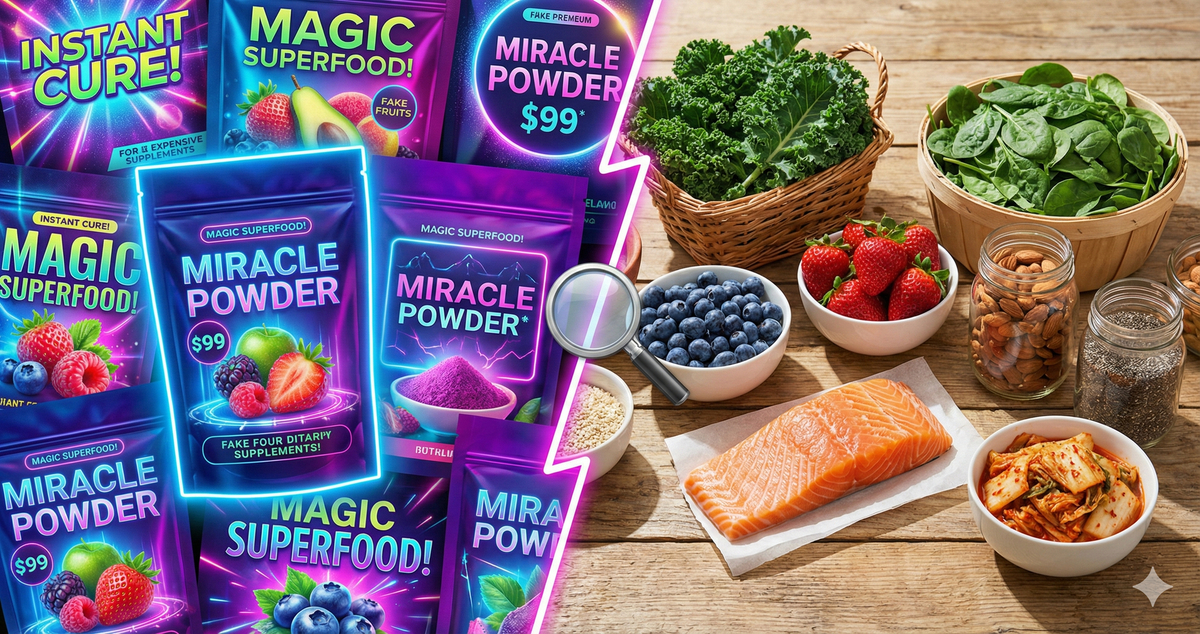
The term superfoods is everywhere, promising incredible health benefits in a single bite. But are these foods truly super, or are we just falling for clever marketing? This article demystifies the buzz around superfoods, separating scientific fact from marketing fiction, to help you build a genuinely healthy diet within the Health sphere.
What Are “Superfoods,” Really?
The Birth of a Buzzword
The term “superfood” wasn’t coined in a lab but in a marketing meeting. It’s a powerful buzzword used to boost the appeal of certain foods, often with a higher price tag. There is no official scientific or legal definition of a superfood, which means any food can be labeled as such.
Marketing vs. Science
Marketing often exaggerates the benefits of a single food, making it seem like a magic bullet for health. Science, on the other hand, looks at the overall dietary pattern. While some foods are more nutrient-dense than others, no single food can undo the effects of an otherwise unhealthy diet. For example, a sprinkle of expensive “superfood” powder in a sugary smoothie doesn’t make it a health drink.
The Science Behind Nutrient-Dense Foods
What Does “Nutrient-Dense” Mean?
A more accurate and scientific term is “nutrient-dense.” This refers to foods that are rich in vitamins, minerals, antioxidants, and phytochemicals, with fewer calories. These nutrients are essential for a healthy body and a strong immune system.
Examples of Genuinely Healthy Foods
Here are some categories of nutrient-dense foods backed by science:
- Dark Leafy Greens: (e.g., kale, spinach) are packed with vitamins A, C, and K, as well as calcium and iron.
- Berries: (e.g., blueberries, strawberries) are rich in antioxidants and flavonoids, which protect cells from damage.
- Fatty Fish: (e.g., salmon, mackerel) provide omega-3 fatty acids, crucial for brain health and reducing inflammation.
- Nuts and Seeds: (e.g., almonds, chia seeds) are great sources of healthy fats, protein, and fiber.
- Legumes: (e.g., lentils, chickpeas) are high in protein, fiber, and various micronutrients.
- Fermented Foods: Sauerkraut & Kimchi: Fermented foods are foods and beverages that have undergone controlled microbial growth and enzymatic conversions of food components. In simpler terms, beneficial microorganisms like bacteria and yeast break down the sugars in the food, creating lactic acid, which preserves the food and creates a host of beneficial compounds, including probiotics.
Building a Truly “Super” Diet
Beyond the “Magic Bullet”: The Power of a Balanced Diet
True health isn’t about individual “superfoods” but about your overall dietary pattern. A balanced diet, rich in a variety of whole foods, is the real secret to well-being. Focus on variety, moderation, and including a rainbow of fruits and vegetables on your plate.
Practical Tips for a Nutrient-Rich Diet
Here are some simple steps to boost your nutrient intake:
- Swap refined grains for whole grains.
- Add a side of leafy greens to your meals.
- Snack on a handful of nuts or a piece of fruit.
- Incorporate fish into your week a couple of times.
- Drink plenty of water instead of sugary drinks.
Conclusion
While the term “superfood” is largely a marketing gimmick, many of the foods given this label are indeed very healthy. The key is to look beyond the hype and focus on the scientifically supported benefits of nutrient-dense foods.
Instead of chasing the latest “superfood” trend, build a sustainable habit of eating a balanced diet full of a variety of whole foods. This is the true path to a healthier life.