Setting Goals That Support Life Balance Instead of Breaking It
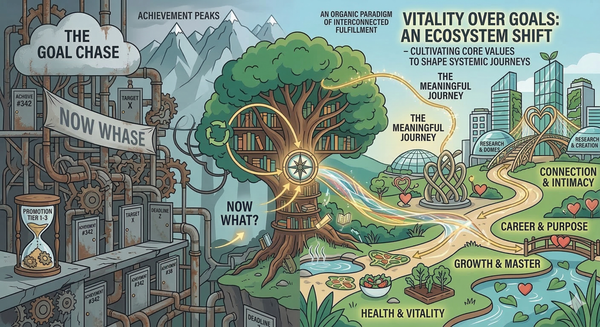
In a world that constantly pushes for more—more success, more productivity, more achievement—it’s easy to get caught up in a cycle of relentless goal setting that leaves us feeling drained and unbalanced. We meticulously plan our next big career move or personal project, only to find that the pursuit of these goals comes at the cost of our well-being. This article offers a different path: a way to set ambitious goals that energize and support a balanced life, rather than breaking it.
The Problem with Traditional Goal Setting
Many conventional approaches to goal setting are built on a foundation of "hustle culture," where success is measured by output and personal sacrifice is glorified. This mindset is not only unsustainable but is often the primary cause of burnout and dissatisfaction, turning our ambitions against us.
When Ambition Becomes a Burden
Ambition is a powerful driver of progress, but when it’s not balanced with self-awareness, it can become a heavy burden. Goals that are purely external or based on societal expectations often create a conflict with our internal needs for rest, connection, and joy. The pressure to constantly achieve can lead to chronic stress and a feeling of never being "good enough," no matter how much we accomplish.
The Myth of "Doing It All"
The modern ideal of "doing it all" is a dangerous myth. Effective goal setting isn’t about adding more to your plate; it’s about making conscious choices about what deserves your time and energy. When we try to excel in every area of life simultaneously without a clear sense of our priorities, we end up spreading ourselves too thin and failing to make meaningful progress in the areas that truly matter.
Redefining Success: Goals for a Balanced Life
To create a life that feels both successful and fulfilling, we must redefine what success means to us. This involves shifting our focus from chasing external validation to cultivating internal alignment. It’s about building a framework for goal setting that prioritizes our overall quality of life.
Aligning Goals with Your Core Values
The most sustainable goals are those that resonate deeply with our core values. When a goal is aligned with what we believe in, the motivation to pursue it becomes intrinsic and far more powerful. Before setting your next goal, ask yourself these questions:
- Does this goal align with the person I want to be?
- Will the process of achieving this goal bring me a sense of purpose?
- Does this goal support my well-being and the well-being of others?
- Is this goal driven by my own desires or by external pressures?
Introducing the "Whole-Life" Goal-Setting Approach
The "Whole-Life" approach considers all facets of your life—career, health, relationships, personal growth, and rest—as interconnected parts of a single system. Instead of setting isolated goals, this method encourages you to create objectives that create harmony across these different areas. A professional goal, for instance, should also consider its impact on your family time and mental health, ensuring that your ambition in one area doesn’t sabotage another.
Practical Steps to Set Goals That Support Balance
Moving from theory to practice is key. This section provides a clear, actionable process for creating goals that foster balance and well-being. This method of goal setting is designed to be both practical and transformative.
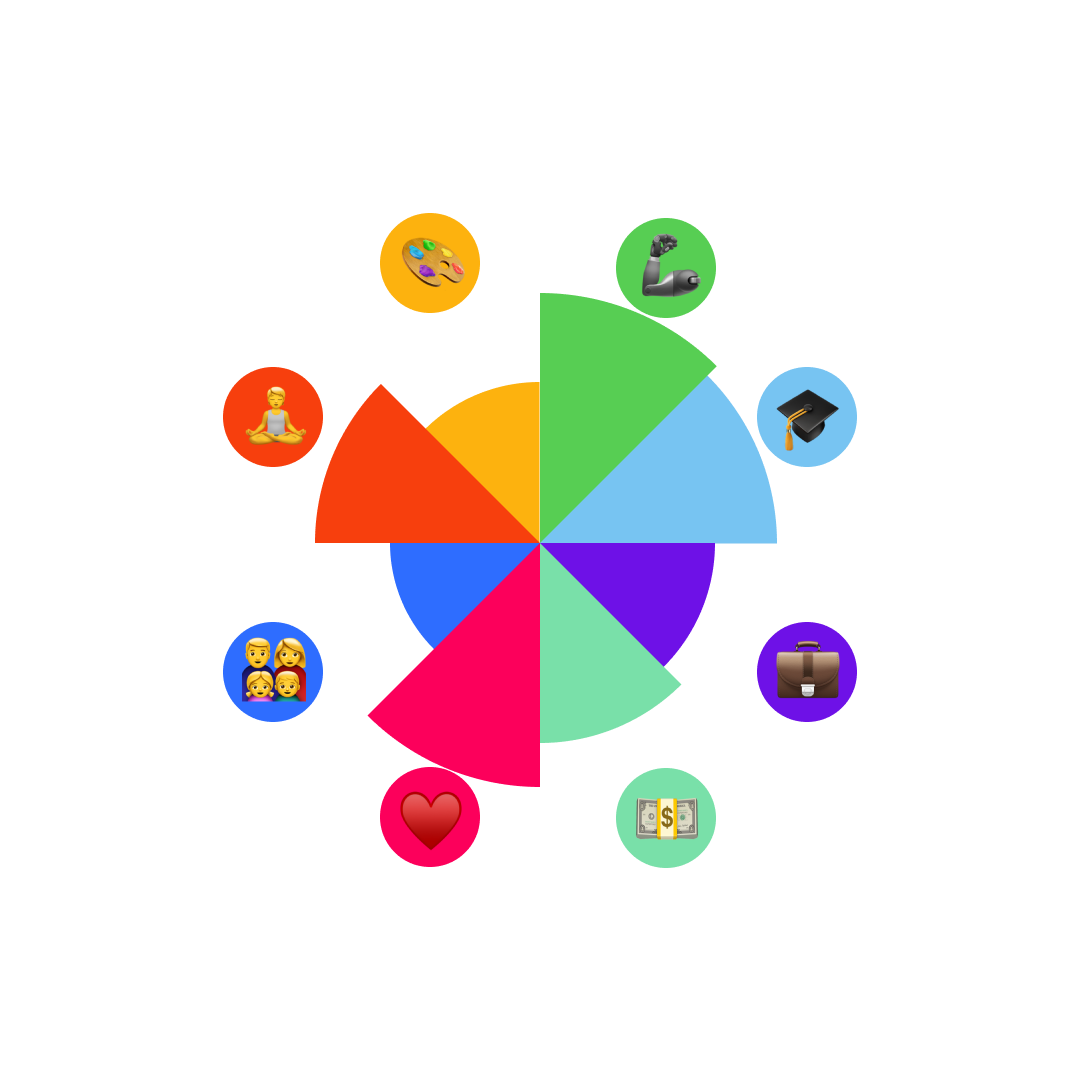
Step 1: Conduct a Life-Balance Audit
Before you can set better goals, you need a clear picture of where you currently stand. This audit helps you identify areas of your life that need more attention.
- Identify Your Key Life Areas: List the most important domains of your life (e.g., Career, Health, Relationships, Finances, Creativity, Rest).
- Rate Your Satisfaction: On a scale of 1 to 10, rate your current level of satisfaction in each area.
- Analyze the Gaps: Identify the areas with the lowest scores. These are the domains where a well-placed goal could have the most significant positive impact.
- Reflect on the "Why": For each low-scoring area, ask yourself why you feel dissatisfied. This insight will guide your goal setting.
Step 2: Set "Process-Oriented" vs. "Outcome-Oriented" Goals
An outcome-oriented goal focuses on the final result (e.g., "lose 20 pounds"), which can feel distant and overwhelming. A process-oriented goal focuses on the behavior you can control (e.g., "go for a 30-minute walk three times a week"). By focusing on the process, you build sustainable habits and feel a sense of accomplishment along the way, regardless of the immediate outcome.
Step 3: Integrate Flexibility and Self-Compassion
Life is unpredictable. A rigid approach to goal setting is fragile and easily derailed. Build flexibility into your plan by setting goal ranges instead of single data points or by scheduling regular check-ins to adjust your course. Practice self-compassion when you face setbacks. A missed step is an opportunity to learn and recalibrate, not a reason to give up.
Step 4: Create Boundaries to Protect Your Well-being
Strong boundaries are essential for protecting your time, energy, and focus. Balanced goal setting requires you to say "no" to things that don’t align with your priorities. Here are some examples of healthy boundaries:
- Defining clear start and end times for your workday.
- Turning off work notifications on your phone during personal hours.
- Communicating your capacity honestly to colleagues and family.
- Scheduling dedicated time for rest and hobbies with the same seriousness as a business meeting.
Conclusion
The relentless pursuit of achievement at all costs is a recipe for burnout. By fundamentally rethinking our approach to goal setting, we can turn our ambitions into a source of energy and fulfillment rather than stress. By aligning our goals with our core values, adopting a whole-life perspective, and embedding flexibility and self-compassion into the process, we can build a life that is not just successful in the traditional sense, but is also deeply meaningful and wonderfully balanced.