Self-Actualization vs Survival Mode: Knowing the Difference
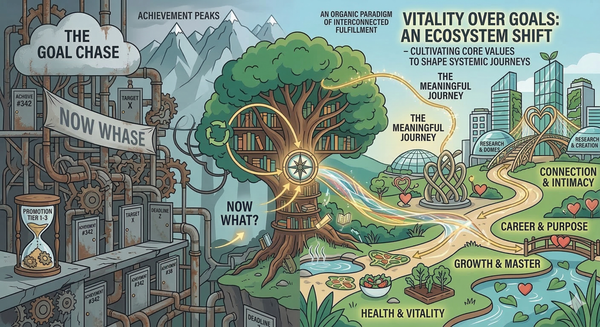
In our fast-paced world, many of us oscillate between two fundamental states of being: survival mode and self-actualization. While survival mode keeps us stuck in cycles of stress and reactivity, self-actualization represents our highest potential for personal growth and fulfillment. Understanding the stark differences between these two states is crucial for anyone seeking to improve their mental health, enhance their quality of life, and unlock their full potential.
This article will help you identify which state you're currently experiencing and provide practical, actionable steps to transition from merely surviving to truly thriving. By recognizing the signs and understanding the mechanisms behind each state, you can begin your journey toward meaningful personal growth and lasting transformation.
What is Survival Mode?
Survival mode is a psychological and physiological state where our primary focus shifts to meeting immediate threats and basic needs. When we're operating in survival mode, our entire system prioritizes staying safe over pursuing growth, creativity, or long-term goals. This state, while essential for actual emergencies, becomes problematic when it becomes our default way of living.
In survival mode, our mental health often takes a backseat to immediate concerns. We find ourselves constantly putting out fires, unable to think beyond the next crisis or deadline. Personal growth becomes a luxury we feel we can't afford, and our days blur together in an exhausting cycle of stress and recovery. This state doesn't just affect our psychological well-being; it fundamentally alters how our bodies and minds function.
The Physiology of Fight or Flight
When we enter survival mode, our bodies activate the sympathetic nervous system, triggering the famous fight-or-flight response. This ancient biological mechanism floods our system with stress hormones like cortisol and adrenaline, preparing us for immediate action against perceived threats.
During this response, blood flow is redirected from our prefrontal cortex—the brain region responsible for complex thinking, planning, and decision-making—to more primitive brain areas focused on immediate survival. Our heart rate increases, muscles tense, and digestion slows. While this response serves us well in genuine emergencies, chronic activation leads to exhaustion, burnout, and a host of physical and mental health issues.
The problem in modern life is that our bodies can't distinguish between a charging lion and a demanding email from our boss. Both trigger the same stress response, keeping us locked in a state of hypervigilance that prevents personal growth and self-actualization. This constant state of alert depletes our energy reserves, leaving little room for the creativity, reflection, and intentional action required for meaningful development.
Signs You Might Be in Survival Mode
Recognizing when you're stuck in survival mode is the first step toward breaking free. Here are the key indicators that you might be operating from a place of survival rather than growth:
- Constant exhaustion despite adequate sleep—feeling tired even after a full night's rest
- Difficulty making decisions, even simple ones like what to eat for dinner
- Emotional numbness or feeling disconnected from yourself and others
- Living paycheck to paycheck, either financially or emotionally
- Inability to think beyond the immediate future or next crisis
- Neglecting self-care activities like exercise, healthy eating, or relaxation
- Persistent anxiety or feeling like you're always waiting for the other shoe to drop
- Avoiding new experiences or opportunities due to fear or overwhelm
- Difficulty concentrating or remembering important information
- Physical symptoms like headaches, digestive issues, or chronic pain
- Feeling stuck in repetitive patterns without progress
- Withdrawing from social connections and supportive relationships
- Loss of interest in hobbies or activities that once brought joy
- Constantly comparing yourself to others and feeling inadequate
- Operating on autopilot without conscious awareness of your actions
What is Self-Actualization?
Self-actualization represents the pinnacle of human development and personal growth. Coined by psychologist Abraham Maslow, this concept describes a state where individuals are fully realizing their potential, pursuing meaningful goals, and experiencing life with authenticity and purpose. Unlike survival mode's focus on avoiding threats, self-actualization is characterized by growth-seeking behavior and an intrinsic motivation to become the best version of ourselves.
In this state, mental health flourishes as we align our actions with our values and pursue activities that bring genuine fulfillment. Self-actualized individuals don't just react to life; they actively shape their experiences and contribute meaningfully to the world around them. This isn't about perfection or constant happiness, but rather about embracing the full spectrum of human experience while maintaining a growth-oriented perspective.
Understanding Maslow's Hierarchy
Maslow's hierarchy of needs provides a framework for understanding the journey from survival to self-actualization. This psychological theory presents human needs as a pyramid with five levels, each building upon the foundation of the previous one.
At the base lie physiological needs—food, water, shelter, and sleep. These survival essentials must be met before we can focus on anything else. The second level encompasses safety needs, including physical security, financial stability, and health. Once these foundational needs are satisfied, we can pursue love and belonging through relationships and community connections.
The fourth level involves esteem needs—both self-esteem and recognition from others. This includes feelings of accomplishment, confidence, and respect. Only when all these lower needs are reasonably met can we pursue self-actualization at the pyramid's peak. This highest level involves realizing personal potential, seeking personal growth, and having peak experiences.
Understanding this hierarchy helps explain why jumping straight to self-actualization while neglecting basic needs rarely works. Sustainable personal growth requires a solid foundation. However, it's important to note that in real life, these needs aren't always addressed in a strictly linear fashion, and individuals may experience aspects of multiple levels simultaneously.
Characteristics of a Self-Actualized Person
Self-actualized individuals exhibit distinct characteristics that set them apart from those operating in survival mode. These traits represent not a destination but an ongoing process of growth and development:
- Authentic self-expression without excessive concern for others' opinions
- Strong sense of purpose and meaning in life
- Ability to form deep, meaningful relationships while maintaining independence
- Comfort with solitude and self-reflection
- Creative problem-solving and innovative thinking
- Acceptance of themselves and others, including flaws and imperfections
- Spontaneity and natural behavior rather than forced or artificial responses
- Focus on problems outside themselves and contribution to greater causes
- Appreciation for simple pleasures and everyday experiences
- Peak experiences characterized by feelings of unity, understanding, and joy
- Democratic values and respect for all people regardless of background
- Strong moral and ethical standards independent of cultural norms
- Resistance to enculturation while still functioning within society
- Continuous desire for personal growth and learning
- Ability to maintain perspective during challenging times
- Balance between work, relationships, and personal interests
- Comfort with uncertainty and ambiguity
- Genuine empathy and compassion for others
Key Differences: A Side-by-Side Comparison
Understanding the fundamental differences between survival mode and self-actualization helps clarify where you currently stand and what changes might benefit your mental health and personal growth journey. These distinctions manifest across multiple dimensions of our experience, from our thought patterns to our emotional responses and daily behaviors.
The contrast between these two states isn't just theoretical—it profoundly impacts every aspect of our lives. How we approach challenges, make decisions, and interact with others all shift dramatically depending on whether we're operating from survival or self-actualization. Recognizing these patterns in ourselves allows us to make conscious choices about how we want to live.
Mindset: Reactive vs. Proactive
In survival mode, our mindset is predominantly reactive. We respond to whatever crisis or demand presents itself, constantly playing defense against life's challenges. This reactive stance keeps us perpetually behind, scrambling to catch up rather than moving forward with intention. We become like pinballs, bouncing from one urgent situation to another without control over our trajectory.
Conversely, self-actualization fosters a proactive mindset. Instead of waiting for life to happen to us, we actively shape our experiences and create opportunities for growth. This doesn't mean we control everything, but rather that we approach life with intentionality and purpose. We anticipate challenges, prepare for opportunities, and make choices aligned with our long-term vision.
The reactive mindset of survival mode often leads to decision fatigue and learned helplessness. We begin to believe that we have no control over our circumstances, which becomes a self-fulfilling prophecy. Meanwhile, the proactive approach of self-actualization builds self-efficacy and resilience. Each intentional action reinforces our ability to influence our lives positively, creating an upward spiral of empowerment and personal growth.
This shift from reactive to proactive thinking represents one of the most powerful transformations in mental health and personal development. It changes us from victims of circumstance to architects of our own experience, fundamentally altering how we engage with challenges and opportunities alike.
Focus: Short-Term vs. Long-Term
Survival mode compresses our temporal horizon to the immediate present and near future. When we're struggling to make it through each day, planning for next year—or even next month—feels impossible and irrelevant. This short-term focus, while necessary during genuine crises, becomes limiting when it persists beyond actual emergencies.
In survival mode, we make decisions based on immediate relief rather than long-term benefit. We might choose the quick fix over the sustainable solution, the familiar discomfort over the uncertain opportunity for growth. This short-term thinking affects everything from our financial decisions to our relationships and career choices. We sacrifice future well-being for present survival, even when our actual survival isn't threatened.
Self-actualization, by contrast, expands our temporal perspective to encompass both present experience and future possibility. We can delay gratification when necessary, invest in activities that may not pay off immediately, and make choices that align with our long-term vision for personal growth. This doesn't mean ignoring present needs, but rather balancing immediate concerns with future aspirations.
The long-term focus of self-actualization enables us to pursue meaningful goals, build lasting relationships, and develop skills that compound over time. We can endure temporary discomfort for greater future rewards, whether that's studying for a degree, building a business, or developing healthier habits. This expanded time horizon is essential for achieving significant personal growth and fulfillment.
Emotions: Fear-Based vs. Growth-Oriented
The emotional landscape of survival mode is dominated by fear, anxiety, and scarcity. We operate from a place of "not enough"—not enough time, resources, energy, or safety. This fear-based emotional state narrows our perception, causing us to see threats everywhere and miss opportunities for connection and growth. Our emotional reactions become defensive and protective rather than open and exploratory.
Fear in survival mode isn't always obvious terror; it often manifests as chronic worry, irritability, or a vague sense of unease. We might find ourselves constantly anticipating worst-case scenarios, unable to fully relax or trust that things will work out. This persistent state of emotional vigilance exhausts our mental health resources and prevents us from experiencing joy, creativity, and connection.
Self-actualization cultivates growth-oriented emotions like curiosity, excitement, gratitude, and love. While self-actualized individuals still experience fear and other difficult emotions, these feelings don't dominate their emotional landscape. Instead, they approach emotions as information and opportunities for learning rather than threats to be avoided.
Growth-oriented emotions expand our awareness and possibilities. Curiosity leads us to explore new experiences and perspectives. Gratitude helps us recognize and build upon existing resources and relationships. Love and compassion connect us with others and ourselves in meaningful ways. These emotions create a positive feedback loop, where personal growth generates positive emotions, which in turn fuel further growth.
How to Shift from Survival Mode to Self-Actualization
Transitioning from survival mode to self-actualization isn't an overnight transformation but a gradual journey requiring patience, self-compassion, and consistent effort. This shift involves addressing fundamental needs, changing thought patterns, and gradually expanding your capacity for growth and fulfillment. The process is rarely linear; you might move back and forth between states as you navigate life's challenges and opportunities.
The key to this transition lies not in forcing dramatic changes but in taking small, sustainable steps that gradually shift your baseline from surviving to thriving. Each positive change, no matter how small, creates momentum for further growth. By approaching this journey with curiosity rather than judgment, you can transform your relationship with yourself and your potential for personal growth.
Step 1: Acknowledge and Address Basic Needs
Before pursuing higher-level personal growth, you must honestly assess and address your fundamental needs. This isn't about achieving perfection in each area but ensuring your basic requirements are met sufficiently to create a stable foundation for growth.
Start by conducting an honest inventory of your physiological needs. Are you getting adequate sleep, nutrition, and exercise? Many people in survival mode neglect these basics, creating a vicious cycle where poor self-care perpetuates stress and exhaustion. Prioritize sleep hygiene, prepare nutritious meals, and incorporate movement into your daily routine, even if it's just a short walk.
Next, evaluate your safety and security needs. This includes both physical safety and financial stability. If you're in an unsafe living situation or relationship, seeking help and making changes here takes priority over other growth activities. Financial stress often keeps people locked in survival mode, so creating a basic budget, building a small emergency fund, or seeking financial counseling can provide the stability needed for personal growth.
Address your social and belonging needs by nurturing supportive relationships. Isolation intensifies survival mode, while connection facilitates growth. Reach out to trusted friends, join support groups, or seek professional help if needed. Remember that asking for help isn't weakness but a crucial step toward self-actualization. Building a support network provides both practical assistance and emotional resources for your journey.
Step 2: Cultivate Mindfulness and Presence
Mindfulness serves as a bridge between survival mode and self-actualization by interrupting automatic stress responses and creating space for conscious choice. When we're mindful, we observe our thoughts and emotions without being controlled by them, gradually loosening survival mode's grip on our mental health.
Begin with simple mindfulness practices that don't require extensive time or training. Start with just five minutes daily of focused breathing, gradually increasing as it becomes habitual. During these sessions, simply observe your breath without trying to change it. When thoughts arise—and they will—acknowledge them without judgment and gently return attention to your breathing.
Expand mindfulness into daily activities through present-moment awareness. While eating, notice flavors and textures. During walks, observe your surroundings without mental commentary. These practices train your brain to stay present rather than constantly anticipating threats or ruminating on past problems. This presence is essential for recognizing opportunities for growth and making conscious choices aligned with self-actualization.
Body scan meditations help reconnect with physical sensations often ignored in survival mode. Starting at your toes and moving upward, notice sensations in each body part without trying to change anything. This practice increases body awareness, helps identify stored tension, and reinforces the mind-body connection essential for holistic personal growth.
Step 3: Set Meaningful, Growth-Oriented Goals
Transitioning to self-actualization requires shifting from reactive problem-solving to proactive goal-setting. These goals should reflect your values and aspirations rather than just addressing immediate problems or meeting others' expectations.
Begin by clarifying your values through reflection and journaling. What matters most to you beyond survival? What would you pursue if resources weren't limited? These questions help identify authentic goals aligned with self-actualization rather than external pressures. Your goals should excite and slightly intimidate you, stretching your capabilities while remaining achievable.
Break larger aspirations into smaller, manageable milestones. If your goal is career transformation, start with updating your resume or taking one relevant course. If you seek better relationships, begin with one genuine conversation weekly. These small steps build confidence and momentum while preventing the overwhelm that triggers survival mode.
Create accountability systems that support your growth without adding pressure. Share goals with supportive friends, join groups with similar aspirations, or work with a coach or therapist. Regular check-ins help maintain focus on long-term growth rather than getting pulled back into short-term crisis management. Remember that setbacks are part of the journey; what matters is returning to your growth path rather than achieving perfection.
Step 4: Embrace a Growth Mindset
Developing a growth mindset—the belief that abilities and intelligence can be developed through effort and learning—is fundamental to self-actualization. This shift from a fixed mindset transforms challenges from threats into opportunities for personal growth. Here's how to cultivate this transformative perspective:
- Reframe failures as learning opportunities. Instead of seeing mistakes as evidence of inadequacy, view them as valuable data for improvement. Ask yourself: "What can I learn from this experience?" Document lessons learned to reinforce this growth-oriented perspective.
- Challenge limiting beliefs actively. When you catch yourself thinking "I can't do this" or "I'm not good at that," add the word "yet" to these statements. This simple addition acknowledges current limitations while maintaining possibility for future growth.
- Celebrate effort over outcomes. Recognize and reward yourself for trying new things, regardless of immediate success. This reinforcement helps maintain motivation during the learning process and reduces fear of failure that keeps us in survival mode.
- Seek feedback proactively. Instead of avoiding criticism, actively request constructive feedback from trusted sources. View feedback as investment in your personal growth rather than judgment of your worth.
- Surround yourself with growth-minded people. Seek relationships with individuals who embrace challenges and support your development. Their attitudes and behaviors will reinforce your own growth mindset.
- Practice self-compassion during setbacks. Treat yourself with the kindness you'd offer a good friend facing challenges. Self-criticism activates survival mode, while self-compassion creates safety for continued growth.
- Focus on the process, not just results. Enjoy the journey of learning and developing new skills. This process focus reduces pressure and makes personal growth more sustainable and enjoyable.
- Regularly step outside your comfort zone. Take on challenges that stretch your abilities without overwhelming you. Each successful stretch expands your capacity for future growth.
Conclusion
The journey from survival mode to self-actualization represents one of the most important transformations we can undertake for our mental health and overall well-being. While survival mode serves a crucial purpose in genuine emergencies, remaining stuck in this state prevents us from experiencing the fullness of human potential and the deep satisfaction that comes from personal growth and meaningful contribution.
Understanding the key differences between these states—from reactive to proactive mindsets, short-term to long-term focus, and fear-based to growth-oriented emotions—empowers us to recognize our current patterns and make conscious choices toward positive change. The path to self-actualization isn't about perfection or constant positivity but about gradually expanding our capacity for growth, connection, and authentic self-expression.
Remember that this transformation doesn't happen overnight. It requires patience, self-compassion, and consistent small steps. By addressing basic needs, cultivating mindfulness, setting meaningful goals, and embracing a growth mindset, you gradually shift your baseline from merely surviving to truly thriving.
Take action today by choosing one small step toward self-actualization. Perhaps it's taking five minutes for mindful breathing, reaching out to a supportive friend, or simply acknowledging one area where you'd like to grow. No step is too small when it moves you toward your fullest potential. Your journey from survival mode to self-actualization begins with a single choice to prioritize your personal growth and mental health. Make that choice today, and trust that each subsequent step will build upon the last, creating momentum toward the fulfilling, purposeful life you deserve.