Sauna: benefits and myths of hot and cold exposure
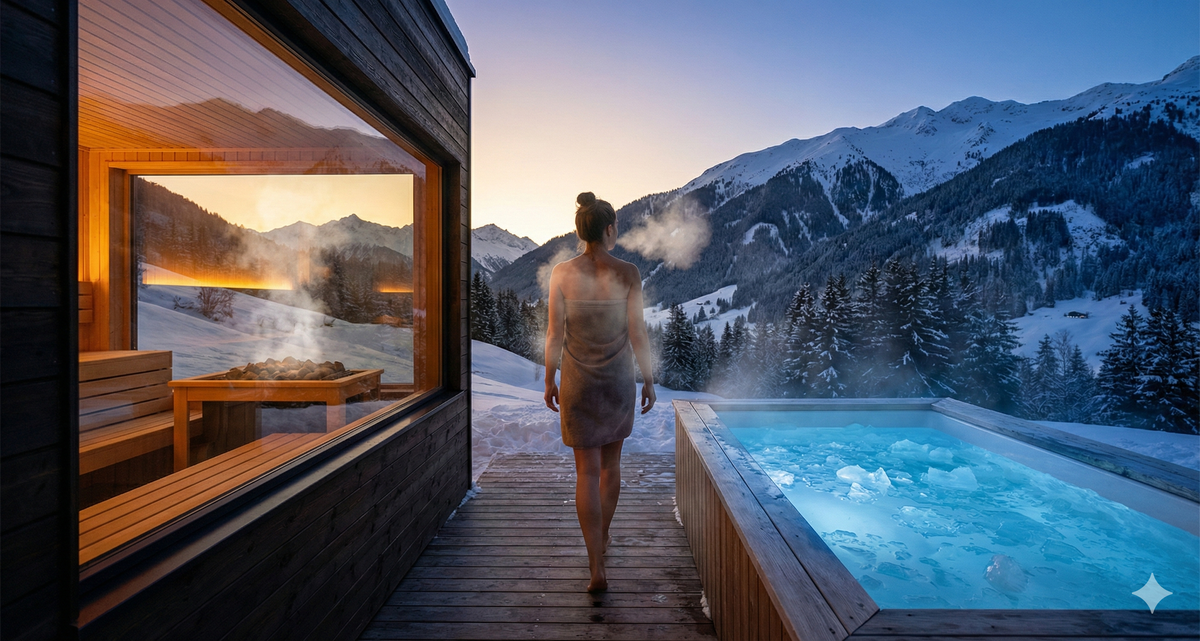
From ancient healing rituals to modern biohacking trends, the practice of exposing the body to extreme temperatures has a long and storied history. Today, the steam-filled sauna and the icy cold plunge represent two powerful methods for enhancing health and wellness. This article will explore the scientifically-backed benefits of both hot and cold exposure, debunk common myths, and explain how to safely incorporate these practices into your routine for optimal results.
The Enduring Allure of Heat: Understanding Sauna Therapy
A sauna is a room designed to produce dry or wet heat sessions. While traditional Finnish saunas use stones and water to create steam, modern versions like infrared saunas use light to heat the body directly. Regardless of the type, the core principle is the same: to induce a state of therapeutic hyperthermia, or a significant increase in the body's core temperature.
Key Benefits of Sauna Use
- Improved Cardiovascular Health: Regular sauna use can mimic the effects of moderate exercise. Your heart rate increases, blood vessels widen, and circulation improves, which can lead to lower blood pressure and a reduced risk of cardiovascular events.
- Stress Reduction and Relaxation: The enveloping warmth of a sauna is a powerful tool for calming the nervous system. The heat promotes the release of endorphins, the body's natural "feel-good" chemicals, leading to a profound sense of relaxation and well-being.
- Pain Relief: The increased blood flow from sauna use helps to soothe sore muscles and aching joints. This makes it an excellent recovery tool for athletes or anyone suffering from chronic pain conditions like arthritis.
- Enhanced Skin Health: As you sweat, your pores open up and release bacteria and other impurities. This deep-cleansing process can lead to clearer, more radiant skin over time.
- Immune System Boost: Some studies suggest that the regular stress of sauna use can stimulate the production of white blood cells, which are crucial for fighting off infections and illnesses.
The Shocking Truth: Embracing the Cold Plunge
On the opposite end of the spectrum is cold water immersion, also known as a cold plunge or ice bath. This practice involves submerging your body in cold water (typically below 60°F or 15°C) for a short period. While initially a shock to the system, the benefits are becoming increasingly recognized by science.
Why Cold Exposure is More Than Just a Fad
- Reduces Inflammation: Cold is a potent vasoconstrictor, meaning it narrows blood vessels. This process helps to flush out metabolic waste and reduce inflammation and swelling in muscles, which is why so many athletes swear by ice baths for post-workout recovery.
- Boosts Metabolism: Exposure to cold can stimulate the activation of brown adipose tissue (BAT), or "brown fat." Unlike regular fat, BAT burns calories to generate heat, which can lead to an increase in your overall metabolic rate.
- Enhances Mental Focus and Resilience: A cold plunge triggers a massive release of the hormone and neurotransmitter norepinephrine. This surge dramatically increases focus, alertness, and mental clarity, while also helping to build mental grit and resilience to stress.
- Elevated Mood: The shock of the cold also leads to an increase in the release of dopamine, the neurotransmitter associated with pleasure and reward. Many people report a lasting sense of euphoria and an elevated mood for hours after a cold plunge.
Better Together: The Synergy of Hot and Cold Contrast Therapy
While both sauna and cold plunges offer standalone benefits, combining them in what is known as contrast therapy can amplify their effects. Alternating between the extreme heat of a sauna and the intense cold of a plunge creates a powerful "pump" effect on your circulatory system, as your blood vessels rapidly dilate and constrict. This process can enhance lymphatic drainage, reduce inflammation, and accelerate overall recovery.
A Simple Contrast Therapy Protocol
- Start with Heat: Spend about 15-20 minutes in the sauna. Focus on your breathing and allow your body to fully heat up and begin sweating.
- Embrace the Cold: Immediately following the sauna, submerge yourself in a cold plunge for 1-3 minutes. Focus on controlling your breath to manage the initial shock.
- Rest and Repeat: After the cold plunge, rest for 2-3 minutes at room temperature. You can then repeat this cycle 2-3 times, always ending on cold to help reduce any lingering inflammation.
- Hydrate: Be sure to drink plenty of water before, during, and after your session to replenish fluids lost through sweating.
Myths and Misconceptions: Separating Fact from Fiction
Despite their benefits, saunas and cold plunges are surrounded by a lot of misinformation. It's important to understand the facts to practice them safely and effectively.
Myth 1: Saunas Cause Significant Weight Loss
While you may be a few pounds lighter after a sauna session, this is almost entirely due to water loss from sweating. This weight is quickly regained once you rehydrate. While there may be a minor metabolic boost, a sauna is not a primary tool for fat loss.
Myth 2: Sweating is a Major Detoxification Process
The idea of "sweating out toxins" is largely exaggerated. While trace amounts of toxins can be excreted through sweat, your liver and kidneys are your body's primary detoxification organs. The main purpose of sweating is to regulate body temperature.
Myth 3: More Time in the Heat or Cold is Always Better
This is a dangerous misconception. Overexposure to heat can lead to severe dehydration and heat stroke, while staying in a cold plunge for too long can cause hypothermia. The key is to listen to your body and err on the side of caution. Consistency is far more important than intensity or duration.
Conclusion: Finding Your Balance with Hot and Cold Therapy
Both sauna and cold exposure are powerful wellness practices with a host of incredible benefits, from improving heart health and reducing stress to boosting mental focus and accelerating recovery. By understanding the science, debunking the myths, and practicing safely, you can effectively integrate hot and cold therapy into your life. The key is not to chase extreme measures but to build a consistent and balanced routine. As with any health practice, it's wise to start slowly and consult with a healthcare professional if you have any pre-existing conditions like heart disease or high blood pressure.