Rest Without Guilt

In a world that constantly sings the praises of hustle and productivity, the simple act of resting can feel like a transgression. Many of us carry a nagging sense of guilt whenever we step back to recharge, believing we should always be doing more. This article is your permission slip to let go of that guilt. Here, we will explore why we feel this way and provide practical, effective rest tips to help you embrace rest as the essential practice it is for a healthy and successful life.
Why We Feel Guilty About Resting
Understanding the root of our guilt is the first step to overcoming it. This feeling isn’t a personal failing; it’s a deeply ingrained response to a demanding culture and our own internal pressures.
The Culture of Productivity
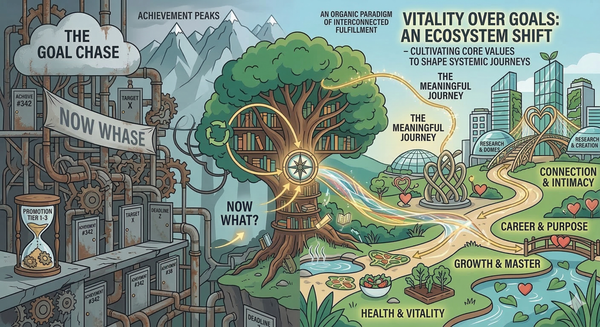
Modern society often equates busyness with worthiness. We are conditioned to believe that to be valuable, we must be constantly producing, achieving, and optimizing. This relentless pressure creates a narrative where time spent not working is time wasted, making rest feel like a luxury or, even worse, a sign of laziness. We see productivity as a badge of honor and, as a result, feel guilty for resting.
The Inner Critic
Many of us have a harsh inner critic—that internal voice that judges our every move. This critic thrives on the "shoulds" and "have-tos," telling us we aren’t doing enough. When we try to rest, this voice can become particularly loud, reminding us of our endless to-do lists and unfinished tasks. Learning to manage this inner critic is crucial for allowing ourselves to find peace in stillness.
The True Power of Rest: It’s Not Laziness, It’s Strategy
It's time to reframe our understanding of rest. Far from being unproductive, rest is one of the most strategic things you can do for your cognitive function, physical health, and overall success. The science is clear: downtime is a critical component of a high-performance life.
Cognitive and Creative Benefits
When you allow your brain to rest, you’re not switching it off; you’re allowing it to process information, consolidate memories, and make new connections. The benefits are significant:
- Improved Memory and Learning: Rest helps embed new information in your long-term memory.
- Enhanced Focus and Attention: A well-rested mind is less prone to distractions and can concentrate for longer periods.
- Boosted Creativity: Downtime allows your brain to wander and make novel connections, leading to breakthroughs and new ideas.
- Better Problem-Solving: Stepping away from a problem often gives your subconscious mind the space it needs to find a solution.
Physical Health and Well-being
The imperative to rest goes beyond mental acuity. Your body also depends on periods of recovery to function optimally. Embracing rest can lead to:
- Reduced Stress: Rest activates the parasympathetic nervous system, which calms the body and lowers levels of the stress hormone cortisol.
- Stronger Immune System: Adequate rest and sleep are directly linked to a more robust immune response.
- Increased Energy Levels: Pushing through exhaustion only leads to burnout. True energy comes from balancing effort with recovery.
Actionable Rest Tips for a Guilt-Free Life
Knowing rest is important is one thing; practicing it without guilt is another. The key is to be intentional and practical. Here are some powerful rest tips to integrate into your busy schedule.
Schedule Your Downtime
One of the most effective ways to take rest seriously is to schedule it. Treat your rest periods as non-negotiable appointments in your calendar, just like a meeting or a doctor's visit. Block out time for a walk, a nap, or simply sitting with a cup of tea. By scheduling rest, you give it the importance it deserves and are less likely to skip it.
Redefine What ‘Rest’ Means to You
Rest is not a one-size-fits-all concept. It is more than just sleep or lying on the couch. There are many ways to recharge your batteries, and the best method depends on the kind of fatigue you're experiencing. Consider these different forms of rest:
- Mental Rest: Taking a break from demanding cognitive tasks (e.g., meditation, listening to music).
- Physical Rest: Allowing your body to recover, either passively (napping) or actively (gentle yoga, stretching).
- Creative Rest: Engaging in activities that inspire and fill you with awe (e.g., appreciating art, spending time in nature).
- Social Rest: Spending time with life-giving, positive people, or conversely, having solo time away from social demands.
Start Small and Build Momentum
If the idea of taking a long break feels overwhelming, start small. Overcoming the initial resistance is often the hardest part. Follow these simple steps:
- Identify a 5-Minute Window: Find just five minutes in your day you can dedicate to rest.
- Choose One Simple Activity: Decide on a single, easy rest activity. It could be closing your eyes, deep breathing, or looking out a window.
- Practice Consistently: Do this every day for a week. The goal is to build a consistent habit, not achieve perfect relaxation immediately.
- Gradually Increase the Time: Once you're comfortable, extend your rest period to 10 or 15 minutes. This gradual approach makes the habit stick.
How to Overcome the Guilt in Real-Time
Even with the best intentions, feelings of guilt can surface when you try to rest. Here are some techniques to manage those thoughts and emotions in the moment.
Acknowledge and Challenge Your Thoughts
When the inner critic starts whispering that you should be working, don’t ignore it. Acknowledge the thought without judgment. Then, gently challenge it. Ask yourself: "Is it really true that I can't take ten minutes to recharge? Will everything fall apart?" Often, you’ll find that the answer is no. This simple act of cognitive reframing can rob the guilty thought of its power.
Use Positive Affirmations
Counteract negative self-talk with positive statements that reinforce your right to rest. Repeating these affirmations can help rewire your mindset over time. Try these:
- I deserve to rest and recharge.
- Rest is a productive and essential part of my success.
- My worth is not defined by my productivity.
- I am honoring my body and mind by taking this break.
Embracing rest is not a sign of weakness but a profound act of self-respect and a strategic tool for a resilient, fulfilling life. The journey away from guilt begins with the understanding that rest is not a reward to be earned, but a right to be exercised. Start by choosing one of these rest tips and implement it today. Give yourself the gift of rest, without guilt, and watch how it transforms your energy, creativity, and overall well-being.