Redesigning Your Life Through Health, Work, Play, and Love

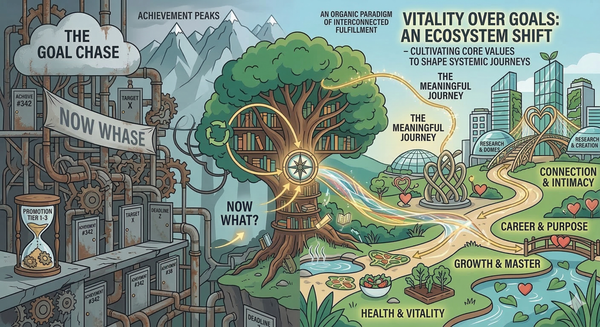
Do you ever feel like you're running on a treadmill, busy but not truly moving forward? It's a common feeling in our fast-paced world. We often focus so intently on one aspect of our lives, like our careers, that we neglect the other areas that make life rich and meaningful.
This article introduces a transformative framework for intentional life design centered around four key pillars: Health, Work, Play, and Love. By taking a holistic approach, you can move beyond simply managing your life to actively redesigning it for greater fulfillment and joy. Get ready to learn how to create a life that is not just successful on paper, but deeply satisfying in practice.
Understanding the Four Pillars of Life Design
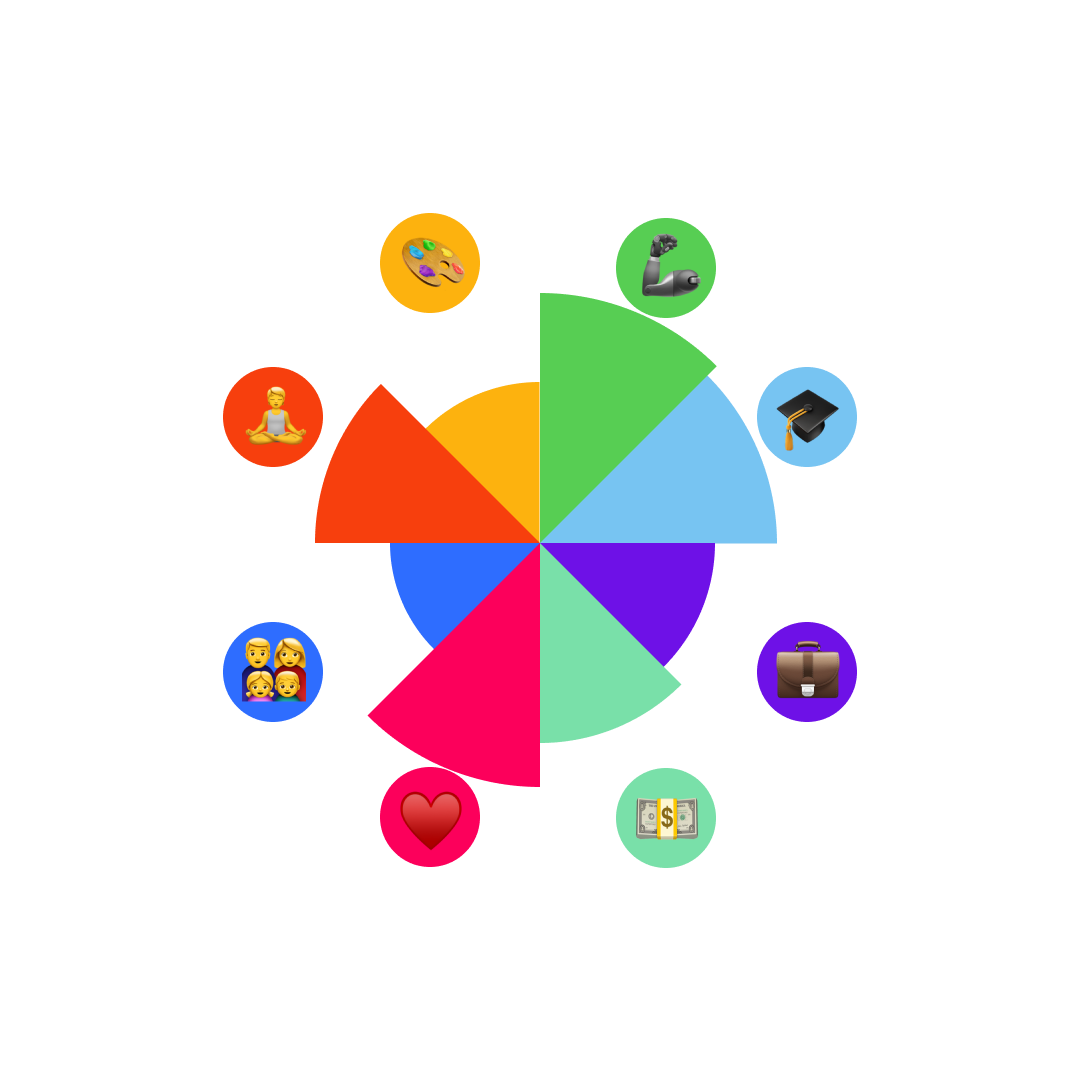
The concept of life design isn't about rigid plans; it's about creating a flexible blueprint that aligns with your core values. The four pillars—Health, Work, Play, and Love—serve as the foundational columns supporting a well-built life. They are deeply interconnected; neglect one, and the others will eventually feel the strain.
For instance, poor health can drain your energy for work, play, and relationships. A toxic work environment can spill over, impacting your health and personal connections. Recognizing this interdependence is the first step toward a more balanced existence and achieving holistic wellness.
Why Traditional Life Planning Falls Short
Many of us were taught to plan our lives in a linear fashion, focusing almost exclusively on career milestones and financial goals. This one-dimensional approach is a primary reason people feel unfulfilled despite achieving conventional success.
It often leads to burnout, strained relationships, and a sense that something is missing. The problem isn't the planning itself, but the narrow focus. A holistic approach is essential because you are a whole person, not just an employee or a partner.
The Science Behind Balanced Living
Research in positive psychology consistently shows that life satisfaction is correlated with engagement across multiple life domains. Studies have demonstrated that individuals who invest in their health, cultivate strong social ties, engage in meaningful work, and make time for leisure report higher levels of happiness and resilience.
A balanced lifestyle can even offer neurological benefits, reducing stress and improving cognitive function. This isn't just a philosophy; it’s a science-backed strategy for a better life.
Pillar 1: Redesigning Your Health
Health is the bedrock upon which all other life pursuits are built. We're not just talking about the absence of disease, but a state of holistic health that encompasses your physical, mental, and emotional well-being. When you feel strong, energized, and clear-headed, you have the necessary resources to tackle challenges and thrive in every other area of your life. Prioritizing health is not selfish; it's a fundamental requirement for a fulfilling existence.
Assessing Your Current Health Status
Before you can build, you must assess. Take a moment for an honest self-evaluation. Consider the following questions:
- Am I getting 7-9 hours of quality sleep per night?
- Is my diet primarily composed of nutritious, whole foods?
- Do I engage in regular physical activity that I enjoy?
- How are my energy levels throughout the day?
- Do I have effective strategies for managing stress?
- Am I actively tending to my emotional and mental health?
This checklist helps you identify gaps and establish a realistic baseline for your health redesign.
Creating Your Health Blueprint
Once you've assessed your starting point, it's time to create a blueprint for improvement. Follow these steps:
- Define Your Vision: What does optimal health look and feel like for you? Be specific.
- Set Small, Actionable Goals: Instead of "get fit," aim for "walk for 20 minutes, three times a week."
- Build Keystone Habits: Focus on small, foundational habits, like drinking a glass of water first thing in the morning.
- Track Your Progress: Use a journal or app to monitor your new habits and celebrate small wins.
Examples of effective strategies include meal prepping to ensure healthy food choices, scheduling workouts like important appointments, and practicing a 5-minute mindfulness exercise daily.
Common Health Redesign Mistakes to Avoid
Many people stumble when trying to improve their health. Here are common pitfalls and how to avoid them:
- All-or-Nothing Thinking: Don't let one missed workout derail your entire week. Consistency over perfection is the goal.
- Ignoring Mental Health: Physical health is only half the equation. Prioritize stress management, mindfulness, or professional support.
- Setting Unrealistic Goals: Drastic changes often lead to burnout. Start with small, sustainable adjustments.
Pillar 2: Transforming Your Work Life
Given the significant amount of time we dedicate to our careers, finding meaningful work is crucial for overall life satisfaction. This doesn't necessarily mean you need a dramatic career change.
It's about aligning your work, whatever it may be, with your personal values and sense of purpose. It’s about creating a work life that energizes rather than drains you, contributing to your goal of career fulfillment.
Evaluating Your Career Satisfaction
Are you content with your professional life? Use these questions to conduct a quick career audit:
- Does my work feel meaningful and important to me?
- Do I feel challenged and engaged on a regular basis?
- Does my work environment support my well-being?
- Are there opportunities for growth and learning?
- Does my job allow me to live a balanced life?
If you answer "no" to several of these, it might be time to consider a change—big or small.
Strategies for Work-Life Integration
The old concept of work-life balance is evolving into work-life integration. It's less about a perfect 50/50 split and more about creating a fluid, harmonious relationship between your personal and professional worlds. This involves setting firm boundaries, such as no work emails after 7 PM, and learning to find purpose and engagement even in a role that isn't your "dream job." By focusing on what you can control, you can improve your satisfaction.
Making a Career Pivot
If you've determined a change is necessary, a career pivot can be an empowering move. A successful transition requires careful planning:
- Self-Assessment: Identify your transferable skills, interests, and non-negotiables.
- Exploration: Research new fields, conduct informational interviews, and consider freelance or volunteer work to test the waters.
- Skill Development: Identify any skill gaps and create a plan to fill them through online courses, certifications, or workshops.
- Networking: Build connections in your target industry. Most opportunities come through people.
Planning and managing risks thoughtfully can turn a daunting leap into a series of manageable steps.
Pillar 3: Reclaiming Play and Joy
In the relentless pursuit of productivity, many adults have forgotten how to play. Play is not a frivolous luxury; it's a vital component of a healthy, creative, and joyful life. It is the antidote to burnout and the gateway to innovation. Reclaiming time for hobbies, creative expression, and pure, unstructured fun is a radical act of self-care and an essential part of your life redesign.
Rediscovering What Brings You Joy
If you’ve forgotten what you enjoy, it’s time for some exploration. Try these reflection exercises:
- What did you love to do as a child?
- What subjects do you find yourself reading about for fun?
- If you had a completely free Saturday with no obligations, how would you spend it?
The answers are clues to the activities that will genuinely recharge you. Don't be afraid to try new things and be a beginner again.
Incorporating Play into Daily Life
Finding time for play requires intention. Here are some practical strategies:
- Schedule Joy: Block out time in your calendar for hobbies, just as you would for a meeting.
- Start Small: You don't need a whole new hobby. Start with 15 minutes of an activity you enjoy.
- Embrace Micro-Joys: Savoring a great cup of coffee, listening to a favorite song, or watching a funny video are all small acts of play.
- Overcome Guilt: Remind yourself that leisure is not laziness. It is productive in its own right, boosting creativity and reducing stress.
Pillar 4: Deepening Love and Relationships
Humans are social creatures, wired for connection. The Love pillar encompasses all forms of connection: romantic partnerships, friendships, family ties, community involvement, and, critically, self-love. A rich and supportive relationship ecosystem is a powerful buffer against life's challenges and a significant source of joy and meaning. Fulfilling your relationship goals is key to a happy life.
Auditing Your Relationship Portfolio
Not all relationships are created equal. It's important to assess which connections energize you and which ones drain you. A relationship mapping exercise can be helpful: list the key people in your life and note how you feel after interacting with them. The goal is not to cut people out, but to become more intentional about where you invest your social energy, focusing on quality over quantity.
Building Stronger Connections
Deepening relationships requires effort and vulnerability. Focus on improving your communication skills, especially active listening. Be willing to be vulnerable and authentic with those you trust. Create shared rituals and traditions, whether it's a weekly call with a friend or a monthly date night with your partner. These conscious efforts build the foundation for lasting bonds.
Self-Love as the Foundation
Ultimately, your relationship with yourself is the foundation for all others. Practicing self-compassion, setting healthy boundaries, and investing in your own personal growth are not selfish acts. They are essential prerequisites for showing up as a whole and healthy person in your relationships with others. You cannot pour from an empty cup.
Creating Your Integrated Life Design Plan
The true power of this framework lies in its integrated nature. You don't need to perfect one pillar before moving to the next. The goal is to make small, consistent progress across all four areas simultaneously. This creates a positive upward spiral where improvements in one area fuel progress in another.
The 90-Day Life Redesign Framework
To make this tangible, try a 90-day sprint. Each week, set one small, achievable goal for each of the four pillars. For example:
- Week 1 Health Goal: Go for a 20-minute walk on Monday, Wednesday, and Friday.
- Week 1 Work Goal: Tidy up your digital workspace for 15 minutes.
- Week 1 Play Goal: Spend 30 minutes reading a novel for pleasure.
- Week 1 Love Goal: Send a thoughtful text to a friend you haven't spoken to in a while.
Track your progress and adjust your goals as you go. The aim is building sustainable momentum.
Tools and Resources for Success
You don't have to do this alone. There are many resources available to support your journey:
- Apps: Use habit trackers like Habitica or Strides, or meditation apps like Calm or Headspace.
- Books: Reading books on topics like "Designing Your Life" by Bill Burnett and Dave Evans can provide deeper insights.
- Support Systems: Share your goals with a trusted friend or find an accountability partner.
Overcoming Common Obstacles
Embarking on a life redesign journey will inevitably come with challenges. Resistance to change is natural, and setbacks are part of the process. The key is not to avoid failure but to learn from it and keep moving forward.
When Life Gets in the Way
Life is unpredictable. There will be times when you're sick, busy, or overwhelmed. The key is to have a flexible design. On difficult days, focus on "minimum viable practices"—the smallest possible action that keeps you on track. A one-minute meditation is better than none. The goal is to maintain the thread of your new habits, no matter how thin it gets.
Maintaining Momentum
Motivation ebbs and flows. To maintain long-term momentum, it's crucial to celebrate your milestones, no matter how small. Conduct regular review cycles (e.g., weekly or monthly) to assess what's working and what's not. Embrace a mindset of evolution over perfection. Your life design is a living document, not a rigid script. It will evolve as you do.
Conclusion
Redesigning your life through the four pillars of Health, Work, Play, and Love is a powerful, ongoing practice of intentional living. It's about shifting from being a passive passenger to an active architect of your own experience.
The journey begins not with a massive overhaul, but with a single, small step. The most important thing is to start now. What is one small action you can take this week for each pillar? Choose them, commit to them, and begin the rewarding process of building a life that truly resonates with who you are.