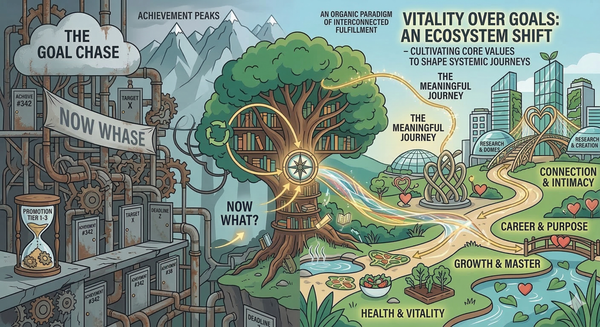
Positive Emotions Without Toxic Optimism
In our quest for happiness, positive thinking has become a celebrated mantra. We're told to look on the bright side, find the silver lining, and maintain a positive outlook. But what happens when this relentless pursuit of happiness becomes a source of stress and disconnection? This is the fine line between healthy optimism and toxic optimism, a mindset that can inadvertently cause more harm than good. This article will guide you through embracing genuinely positive emotions without falling into the trap of forced positivity, helping you build a more honest and resilient approach to well-being.
Understanding the Difference: Positive Thinking vs. Toxic Optimism
Grasping the distinction between these two concepts is the first step toward a healthier emotional life. While one fosters resilience, the other breeds shame and denial.
What is Toxic Optimism?
Toxic optimism, or toxic positivity, is the belief that no matter how dire a situation is, people should maintain a positive mindset. It's a "good vibes only" approach that denies or invalidates authentic human emotions. Instead of creating space for difficulty, it dismisses it with cheerful but unhelpful platitudes, suggesting that any negative feelings are a failure of will. True positive thinking is not about this kind of suppression.
The Dangers of "Good Vibes Only"
While it may seem harmless, consistently suppressing negative emotions is deeply harmful. It can lead to feelings of shame and guilt for having perfectly normal reactions to difficult life events. This constant bottling up of feelings can increase anxiety, prevent true emotional processing, and create a sense of isolation. When we're told our pain isn't valid, we learn not to trust our own experiences, which damages our relationship with ourselves and others.
The True Power of Healthy Positive Thinking
Authentic positivity is a far more powerful and sustainable tool for mental well-being. It is grounded in reality and self-compassion.
It’s About Acknowledgment, Not Denial
Healthy positive thinking is not about ignoring reality; it's about acknowledging the full picture—both the good and the bad—and consciously choosing where to focus your energy for a productive outcome. It allows you to say, "This is really hard right now," while also looking for opportunities for growth or learning. It is about holding hope alongside pain, not replacing pain with forced cheerfulness.
Key Benefits of a Balanced Mindset
Adopting a balanced and healthy approach to positivity comes with significant rewards. It's a cornerstone of resilience and emotional intelligence.
- Improved Resilience: By acknowledging and processing all your emotions, you build the skills to navigate life's challenges more effectively.
- Stronger Relationships: Authentic emotional expression fosters deeper, more meaningful connections with others, as it is rooted in honesty and empathy.
- Better Problem-Solving: Acknowledging a problem is the first step to solving it. Healthy optimism allows you to face challenges head-on with a hopeful but realistic perspective.
- Enhanced Self-Compassion: Allowing yourself to feel what you feel without judgment is a profound act of self-kindness that boosts overall mental well-being.
How to Cultivate Positive Emotions Authentically
Moving from toxic optimism to authentic positivity is a practice. It requires intention, patience, and a willingness to be honest with yourself.
Step 1: Practice Radical Acceptance and Validation
The first step is to simply allow your emotions to exist without judgment. When you feel sad, angry, or anxious, name the feeling. Say to yourself, "It is okay that I feel this way." Radical acceptance doesn't mean you like the feeling, only that you accept its presence. This simple act can diffuse the power of negative emotions and is a crucial part of healthy positive thinking.
Step 2: Embrace "Both/And" Thinking
Life is rarely black and white. You can be grateful for what you have AND sad about what you've lost. You can be hopeful for the future AND anxious about the present. Embracing "both/and" thinking allows for a more complex, realistic, and compassionate inner world. It frees you from the tyranny of having to feel only one way, which is a hallmark of toxic optimism.
Step 3: Focus on Growth and Gratitude
Instead of forcing happiness, shift your focus toward things that naturally cultivate positive feelings, like growth and gratitude.
- Acknowledge Small Wins: Take a moment each day to recognize something you handled well or a small step you made toward a goal.
- Practice Specific Gratitude: Instead of a generic "I'm grateful," name three specific things that brought you a moment of comfort or joy, no matter how small.
- Reframe Challenges as Opportunities: Ask yourself: "What can I learn from this experience?" This shifts the focus from a feeling of helplessness to one of empowerment.
Step 4: Use Mindfulness to Navigate Your Emotions
Mindfulness is the practice of paying attention to the present moment without judgment. When an emotion arises, mindfulness allows you to observe it with curiosity rather than getting swept away by it. This creates a crucial space between you and your feelings, giving you the power to choose how you respond. It helps you see that emotions are temporary states, not your entire identity.
Practical Swaps for Healthier Conversations
The way we talk to ourselves and others matters. Here are some practical swaps to move away from toxic positivity.
What to Say Instead of "Just Be Positive"
When someone is struggling, offer validation instead of dismissal.
- Instead of "Don't worry, be happy," try: "It sounds like you are in a really tough spot. I'm here for you."
- Instead of "Look on the bright side," try: "I can see how upsetting this is. It's okay to feel that way."
- Instead of "Everything happens for a reason," try: "I'm so sorry you're going through this. How can I support you?"
How to Respond When Someone Pressures You to "Be Positive"
It's important to set boundaries to protect your emotional health.
- "I appreciate you trying to help, but right now I just need to sit with this feeling for a bit."
- "I know you mean well, but I'm not looking for solutions right now, just a listening ear."
- "It's not helpful for me to ignore these feelings. I need to work through them."
In conclusion, the goal is not to eliminate negative feelings but to integrate them into a more holistic and honest human experience. True positive thinking isn't about wearing a mask of happiness; it's about having the courage to face all of life's colors—the bright, the dark, and everything in between—with compassion and resilience. By letting go of toxic optimism, you create space for a deeper, more authentic form of well-being to emerge.