
Nuts and Seeds: Healthy Fats Without the Hype
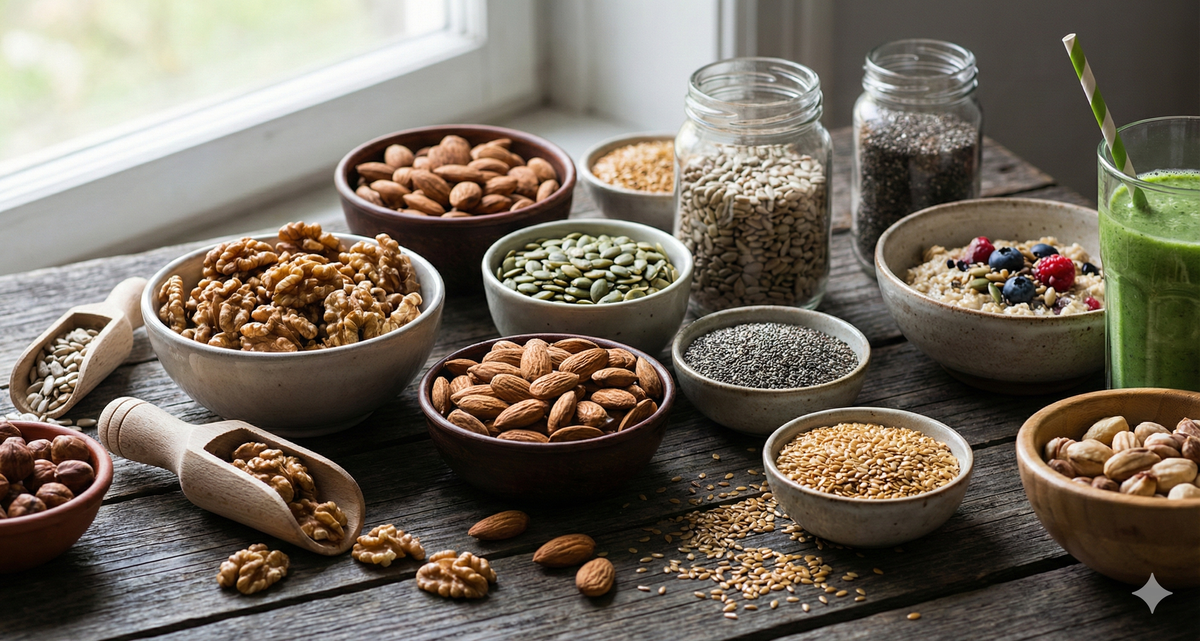
For decades, dietary fat was treated as a public enemy. We were told to cut it out wherever we could, leading to a market flooded with low-fat products. Yet, the real story is more complex. Not all fats are created equal, and some are not only good for you but essential. Enter nuts and seeds, the original superfoods that deliver a wealth of healthy fats without the negative hype. These nutritional powerhouses are a cornerstone of a healthy diet, proving that you can and should eat fat—as long as it’s the right kind.
The Nutritional Powerhouse: What’s Inside Nuts and Seeds?
What makes nuts and seeds so special? It comes down to their incredibly dense nutritional profile. They are a perfect package of macronutrients, vitamins, and minerals that work together to support your health. They are far more than a simple high-fat snack; they are a nutrient-dense fuel source for your body.
Beyond the Basics: Unpacking Healthy Fats
The star players in nuts and seeds are their fats. Unlike the saturated and trans fats linked to health problems, these foods are rich in monounsaturated and polyunsaturated fats. These are the "good fats" that your body needs. Many varieties, especially walnuts and flax seeds, are excellent sources of omega-3 fatty acids, a type of polyunsaturated fat famous for its anti-inflammatory properties and role in brain health.
More Than Just Fats
While their fats are famous, that's not all they offer. Nuts and seeds are also a fantastic source of plant-based protein, making them a great option for vegetarians and vegans. They are loaded with dietary fiber, which is crucial for digestive health and keeping you feeling full. Furthermore, they provide essential vitamins like Vitamin E (a powerful antioxidant) and minerals such as magnesium, zinc, and selenium.
Top Health Benefits of Adding Nuts and Seeds to Your Diet
Regularly consuming a variety of nuts and seeds is linked to a wide array of powerful health benefits. These aren't just empty claims; they are backed by extensive scientific research that highlights their role in disease prevention and overall wellness.
Heart Health Heroes
Perhaps the most well-documented benefit is their impact on heart health. The healthy fats in nuts and seeds help lower LDL (bad cholesterol) levels, while their fiber and other compounds reduce inflammation and improve the lining of your arteries. A daily handful of nuts can make a real difference in reducing your risk for cardiovascular disease.
Aiding in Weight Management
It may seem counterintuitive to eat high-fat, calorie-dense foods to manage weight, but it works. The combination of protein, fiber, and healthy fats promotes satiety, that feeling of fullness and satisfaction. This helps curb your appetite and reduces the likelihood of overeating throughout the day, making weight management more achievable.
Brain-Boosting Superfoods
Your brain is hungry for healthy fats. The omega-3s and antioxidants found in many nuts and seeds are vital for cognitive function. They help protect brain cells from oxidative stress and have been shown to support memory and learning. Including these brain-boosting superfoods in your diet is an investment in your long-term mental clarity.
- Better Blood Sugar Control: Their low carbohydrate content and high fiber help prevent sharp spikes in blood sugar.
- Reduced Inflammation: The anti-inflammatory compounds can help lower chronic inflammation throughout the body.
- Improved Gut Health: The dietary fiber acts as a prebiotic, feeding the beneficial bacteria in your gut.
A Practical Guide to Nuts and Seeds
Knowing nuts and seeds are healthy is one thing; incorporating them effectively into your diet is another. The key is to be mindful of your choices and portion sizes to maximize benefits without overdoing the calories.
A Spotlight on Superstars
While nearly all nuts and seeds are good for you, a few stand out. Almonds are packed with Vitamin E, walnuts are a top source of plant-based omega-3s, and chia seeds are a fiber powerhouse that can absorb many times their weight in water, helping you stay hydrated and full.
Portion Control is Key
Because they are so calorie-dense, it's important to be mindful of serving sizes. A healthy daily portion is typically a small handful, or about a one-ounce serving. This is enough to get the benefits without derailing your calorie goals. Think of them as a nutrient-rich garnish or snack, not an all-you-can-eat buffet.
Simple Ways to Eat More Nuts and Seeds
Adding them to your diet is easy. Here are a few simple ways to get started:
- Sprinkle chopped nuts or a spoonful of seeds over your morning oatmeal, yogurt, or cereal.
- Toss a handful of almonds or sunflower seeds into your salads for a satisfying crunch.
- Blend a tablespoon of flaxseed or chia seeds into your smoothies for a fiber and omega-3 boost.
- Keep a pre-portioned bag of mixed nuts in your car or at your desk for a healthy on-the-go snack.
Conclusion
It’s time to move past the outdated fear of fat and embrace the nutritional wisdom that nature provides. Nuts and seeds are true superfoods, offering a remarkable blend of healthy fats, protein, fiber, and essential micronutrients. By incorporating them thoughtfully into your daily meals, you can support your heart, brain, and overall wellness. They are not a trend or a hype; they are a delicious and convenient cornerstone of a truly healthy diet.