
Not All Plant-Based Diets Are Equal for Brain Health: What a 93,000-Person Study Reveals
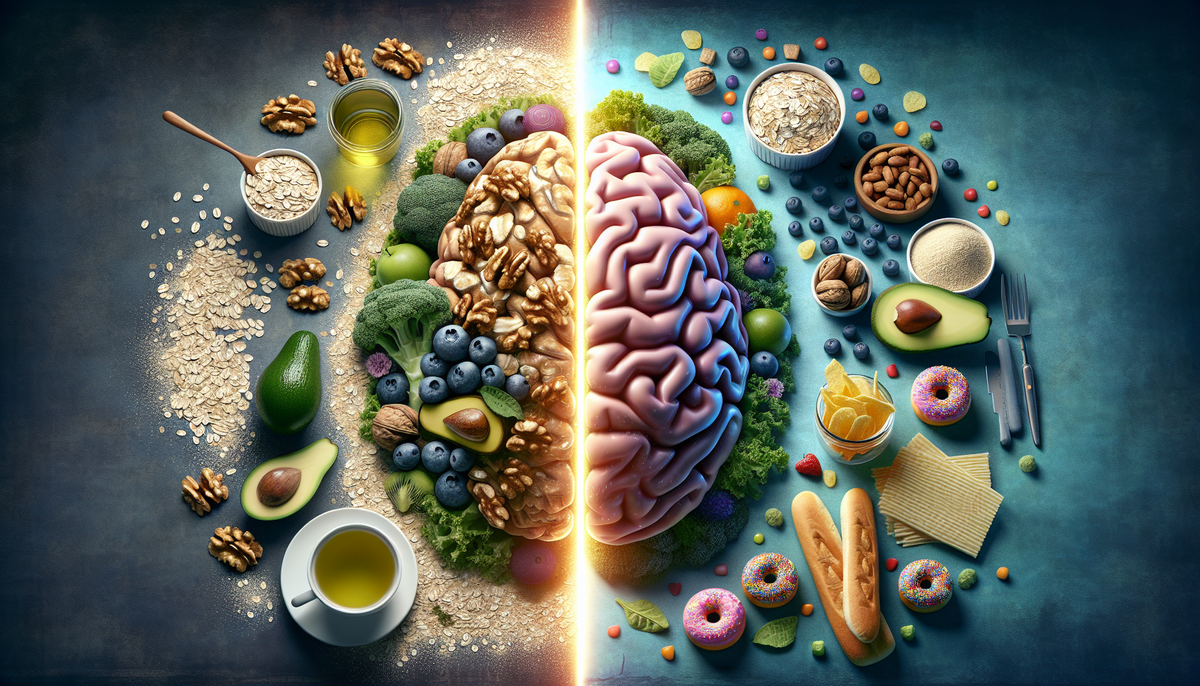
Walk down any grocery store aisle and you'll see the words "plant-based" stamped on everything from burgers to chips to fruit-flavored candy. The implication is always the same: plant-based equals healthy. But when it comes to your brain, that assumption could be leading you astray. A landmark study published in Neurology in April 2026 — one of the largest and most diverse dietary studies ever conducted — found that not all plant-based diets carry the same brain-protective benefits. In fact, some so-called plant-based dietary patterns were associated with a higher risk of dementia. What you eat within a plant-based framework matters far more than whether you've adopted the label in the first place.
What the Study Actually Found
The research, called the Multiethnic Cohort Study, tracked 92,849 adults with an average age of 59 across roughly 11 years. Participants came from five distinct ethnic backgrounds — African American, Japanese American, Latino, Native Hawaiian, and White — making this one of the most ethnically representative nutrition studies ever published. During the follow-up period, 21,478 participants developed Alzheimer's disease or another form of dementia.
Researchers assessed each participant's diet using food questionnaires collected at the beginning of the study and again after 10 years. They calculated three separate diet scores: one for overall plant-based eating, one for a healthful plant-based pattern, and one for an unhealthful plant-based pattern. The results were striking.
Those who scored highest on the healthful plant-based diet had a 12% lower risk of developing Alzheimer's disease or related dementias compared to those with the lowest scores. By contrast, those scoring highest on the unhealthful plant-based diet pattern had a 6% higher risk of dementia. Study lead author Dr. Song-Yi Park summarized the finding plainly: "Our study found that the quality of a plant-based diet mattered, with a higher quality diet associated with reduced risk."
The most dramatic finding came from tracking how participants' diets changed over time. Individuals who significantly increased their consumption of unhealthy plant foods over 10 years saw their dementia risk rise by 25%. Meanwhile, those who shifted toward healthier plant foods experienced an 11% lower risk — even when those changes happened after age 60.
Not All Plant-Based Foods Are Equal
The study drew a sharp distinction between two types of plant-based eating patterns, with real-world implications for everyday food choices.
Foods That Protect Your Brain (Healthful Plant-Based)
These foods share common traits: they're rich in fiber, antioxidants, and anti-inflammatory compounds that support long-term cognitive health.
- Whole grains (oats, brown rice, quinoa, whole wheat bread)
- Fresh and frozen fruits
- Vegetables of all types
- Nuts and seeds
- Legumes (beans, lentils, chickpeas)
- Vegetable oils (olive oil, avocado oil)
- Tea and coffee
Foods That May Increase Your Risk (Unhealthful Plant-Based)
The problem with these foods isn't that they come from plants — it's that processing strips them of protective nutrients and often replaces them with sugar, sodium, or refined starches that promote inflammation.
- Refined grains (white bread, white rice, pastries)
- Added sugars (sodas, candy, sweetened cereals)
- Fruit juices (high in sugar, stripped of fiber)
- Potatoes (especially fried or processed)
- Processed packaged snacks
Why the Plant-Based Label Can Be Misleading
The food industry has enthusiastically embraced the "plant-based" label, and not always in ways that serve consumers' health. A bag of potato chips is technically plant-based. So is a fruit punch loaded with added sugars. So is a frozen meal made largely from refined wheat, corn syrup, and sodium.
Consider two breakfasts: a bowl of steel-cut oats topped with walnuts and blueberries, versus a glass of orange juice and a muffin made from refined flour and sugar. Both are entirely plant-based — but their effects on blood sugar, inflammation, and long-term brain health are vastly different. The study's findings underscore a principle nutritional science has been moving toward for years: food quality matters more than food category.
What Happens When You Change Your Diet Over Time?
One of the most encouraging findings from the study is that it's never too late to benefit from dietary improvement. Researchers tracked not just what participants ate at baseline, but how their diets evolved over a decade — and the results showed that changes in diet quality had measurable effects on dementia risk, even for participants in their 60s and beyond.
Participants who made meaningful shifts toward healthier plant-based foods saw their dementia risk drop by 11% compared to those whose diets deteriorated. This challenges the idea that brain health is locked in early in life. Even swapping refined grains for whole grains, or replacing sugary beverages with tea or coffee, can still matter decades into adulthood.
What This Study Can and Cannot Tell Us
It's important to read this research with appropriate nuance. The Multiethnic Cohort Study is an observational study — it can identify associations between dietary patterns and dementia risk, but it cannot prove direct causation. People who eat high-quality plant-based diets may also tend to exercise more, sleep better, and have better access to healthcare.
Diet data was also gathered via self-reported food questionnaires, which carry known inaccuracies. That said, the study's strengths are substantial: nearly 93,000 participants, 11 years of follow-up, and exceptional ethnic diversity make this one of the most reliable dietary studies on dementia risk ever conducted.
Practical Takeaways: How to Eat for Brain Health
Based on the study's findings, here are five concrete steps to shift your diet in a brain-protective direction:
- Prioritize whole food plant sources over processed alternatives. Choose brown rice over white, whole grain pasta over refined, and roasted vegetables over packaged snacks.
- Replace refined grains with whole grain options. Swap white bread for whole grain bread, white rice for oats or quinoa, and standard cereal for steel-cut oats.
- Reduce added sugar and fruit juice consumption. Whole fruit provides fiber that blunts blood sugar spikes — juice does not. Choose water or unsweetened tea over juice and soda.
- Make legumes and nuts a regular staple. Aim to include beans, lentils, or chickpeas in at least a few meals per week. A small handful of walnuts or almonds as a daily snack adds brain-friendly fats and antioxidants.
- Drink more tea or coffee. Both beverages appeared in the brain-protective dietary pattern. Regular consumption (without heavy added sugar) appears to support cognitive health over time.
The Bottom Line
The research is clear: "plant-based" is not a guarantee of better brain health. A diet built on highly processed plant foods — refined grains, added sugars, fruit juice, and packaged snacks — may actually increase your risk of dementia. A diet built on whole, minimally processed plant foods — whole grains, vegetables, fruits, legumes, nuts, and beverages like tea and coffee — is associated with meaningfully lower Alzheimer's risk.
The label on the package matters far less than what's inside. For your brain's sake, look past the marketing and ask a simpler question: Is this food as close to its natural form as it can be? If the answer is yes, you're on the right track.
Sources
Not All 'Plant-Based' Diets Are Equal for Brain Health — Psychology Today