
Morning Routines That Boost Energy and Focus

The first hour of your day holds remarkable power over the remaining twenty-three. While most people stumble through their mornings on autopilot, reaching for their phones before their feet touch the floor, those who consciously craft their morning routines unlock a different experience entirely. They tap into sustained energy that carries them through demanding days. They cultivate the kind of razor-sharp focus that transforms ordinary productivity into exceptional performance.
A well-designed morning routine represents the intersection of two critical life spheres: Health and Growth. On the health side, your morning habits directly influence your physical energy, hormonal balance, and metabolic function. On the growth side, these same habits build discipline, strengthen self-development practices, and create the mental clarity needed to pursue meaningful goals. When you optimize your mornings, you optimize both dimensions simultaneously.
This comprehensive guide will walk you through the science and strategy behind morning rituals that genuinely work. You will discover how to build healthy habits [1] that fuel your body, regulate your nervous system, and sharpen your focus for a productive day. More importantly, you will learn how to create a personalized routine that fits your unique lifestyle and sets you up for consistent performance in every area that matters.
 Maksym Zosym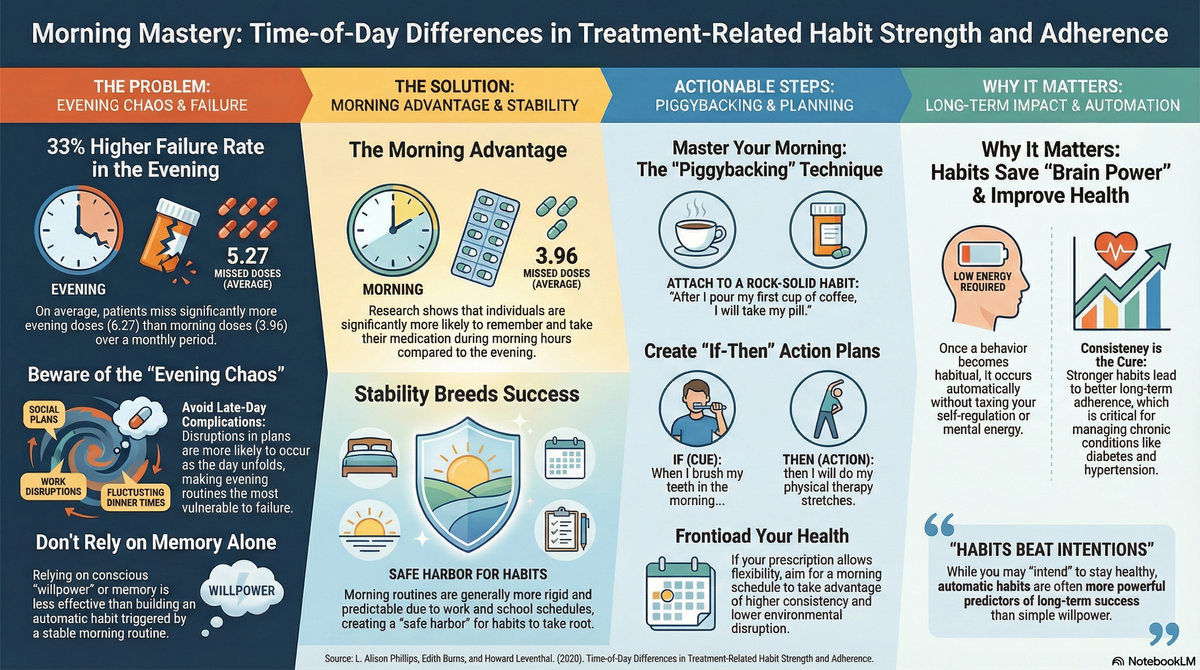
[1]
Fuel Your Health: The Foundation of Morning Energy
Before you can conquer your to-do list or make progress on ambitious goals, you need raw energy. Not the jittery, caffeine-fueled variety that crashes by noon, but the steady, sustainable kind that comes from aligning your morning habits with your body's natural rhythms. The foundation of every effective morning routine begins with physical health, and the good news is that small, strategic changes can dramatically increase productivity throughout your entire day.
Master Your Wake-Up Patterns
Your body operates on an internal clock known as the circadian rhythm [2] , a roughly 24-hour cycle that governs everything from hormone release to body temperature to cognitive function. When you work with this biological clock rather than against it, you unlock energy reserves that remain inaccessible to those who treat sleep as an afterthought.
The single most important factor in mastering your wake-up patterns is consistency. Waking at the same time every day—including weekends—trains your body to anticipate the morning. Your brain triggers a cortisol awakening response within the first 30–45 minutes after waking, promoting alertness and preparing the body for the day ahead [3].
 Maksym Zosym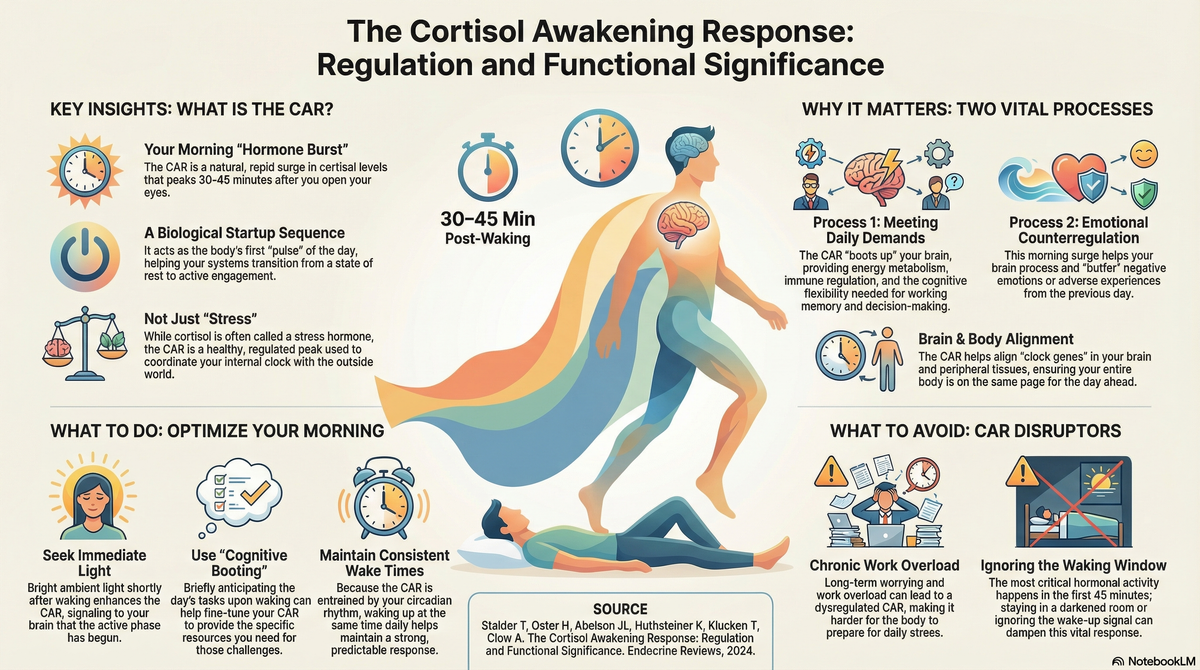
[3]
When you sleep in on weekends and then force yourself awake early on Monday, you essentially induce a state similar to jet lag. This inconsistency explains why so many people feel perpetually tired despite getting adequate hours of sleep.
The First Steps: Sunlight and Hydration
The moments immediately following your wake-up set the biochemical tone for your entire day. Two simple actions, seeking sunlight and drinking water, create cascading positive effects that boost energy and mental clarity for hours.
Sunlight exposure within the first 30 to 60 minutes of waking triggers a critical process in your brain. Light entering your eyes signals the suprachiasmatic nucleus, the master clock in your hypothalamus, that day has begun. This triggers a surge of cortisol that promotes alertness and helps synchronize your circadian rhythm, which contributes to melatonin production in the evening. In other words, morning sunlight not only wakes you up but also programs your body for quality sleep that night.
Simultaneously, your body desperately needs hydration after six to eight hours without water. During sleep, you lose fluid through breathing and perspiration, leaving you mildly dehydrated upon waking. This dehydration directly impacts energy levels, cognitive function, and mood. tudies show that even mild dehydration (1–2% of body weight) can reduce attention and cognitive performance, increasing feelings of fatigue. [4] [5]
 Maksym Zosym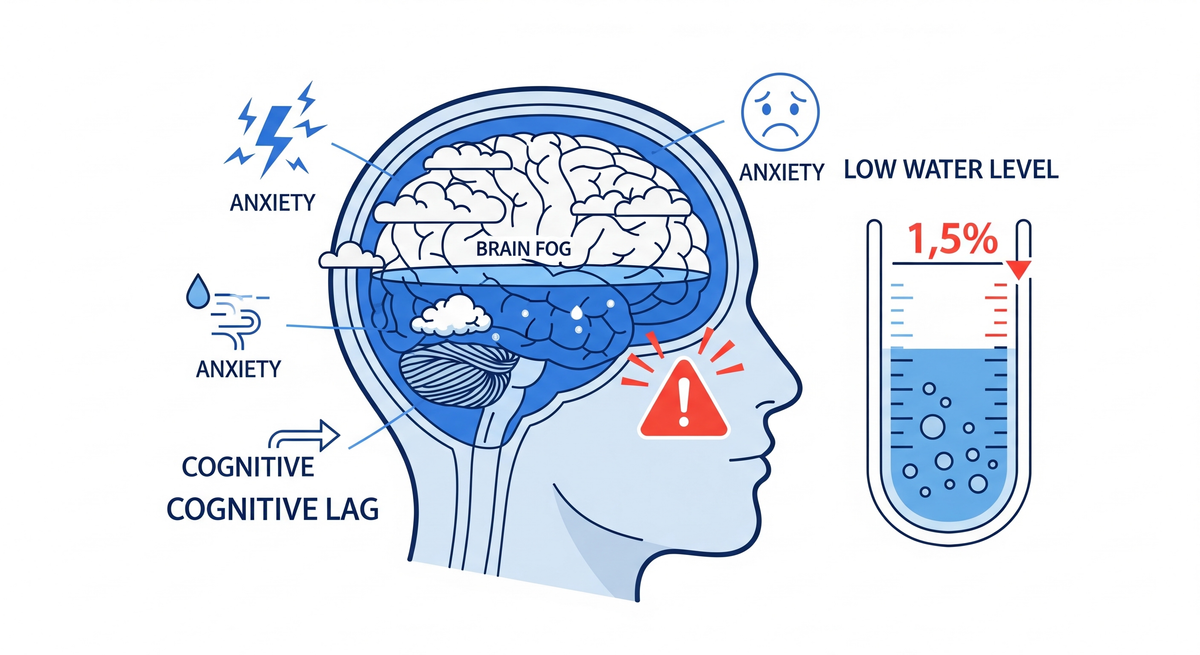
[4]
 Maksym Zosym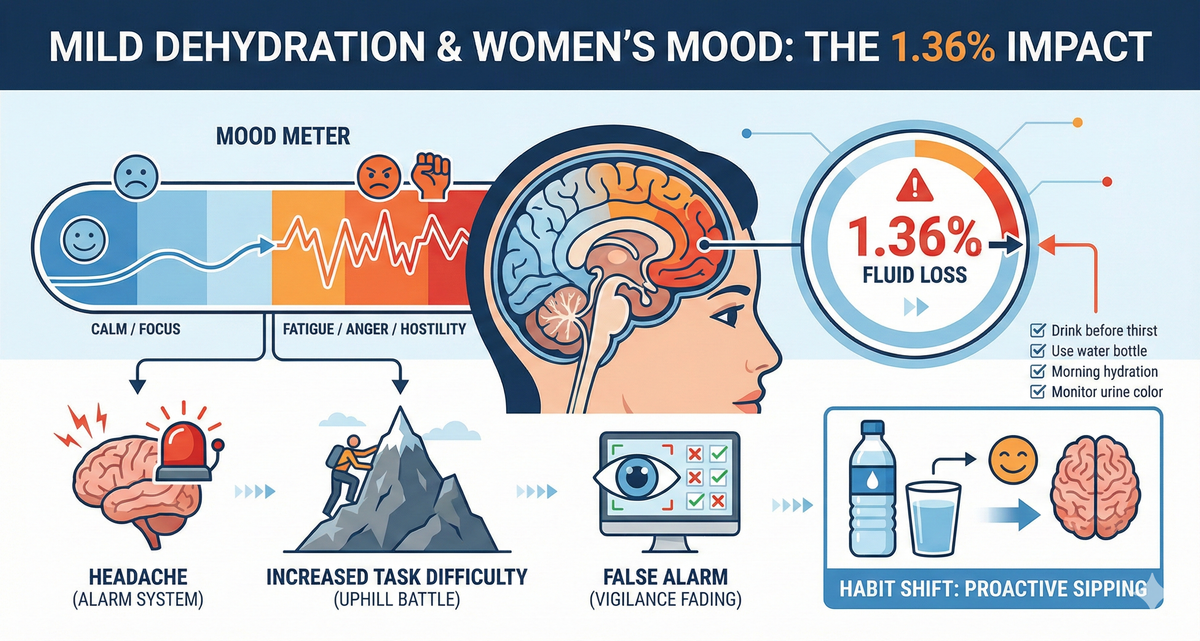
[5]
Energize with Movement and Nutrition
Physical activity and a nutrient-dense breakfast work synergistically to boost energy and prepare your body and brain for the demands ahead. Together, these healthy habits transform sluggish mornings into launching pads for a productive day.
Morning movement need not mean hour-long gym sessions. In fact, light to moderate exercise often proves more sustainable and equally effective for energy enhancement. The key lies in elevating your heart rate enough to increase blood flow, delivering oxygen and nutrients to muscles and brain tissue that have been relatively dormant during sleep.
Following movement, nutrition becomes the fuel that sustains your elevated energy. Skipping breakfast or grabbing processed convenience foods leads to blood sugar spikes and crashes that undermine productivity by mid-morning. Instead, aim for a balanced meal containing protein, healthy fats, complex carbohydrates, and fiber. Brain-boosting breakfast ideas include:
- Eggs scrambled with vegetables like spinach, peppers, and tomatoes, paired with whole grain toast and avocado
- Greek yogurt topped with berries, nuts, and a drizzle of honey
- Overnight oats made with rolled oats, chia seeds, almond milk, and fresh fruit
- A smoothie containing leafy greens, banana, protein powder, nut butter, and ground flaxseed
- Whole grain toast with almond butter, sliced banana, and a sprinkle of cinnamon
- Cottage cheese with pineapple chunks and a handful of walnuts
Sharpen Your Growth: Cultivating Focus and Discipline
Physical energy provides the foundation, but growth-oriented morning rituals build the cognitive edge that separates adequate days from exceptional ones. This section shifts focus to practices that sharpen focus, regulate your nervous system, and cultivate the discipline necessary for consistent personal development. These brain-boosting activities transform your morning routine from mere maintenance into active self-improvement.
Create a No-Phone Zone for Mental Clarity
The moment you check your phone upon waking, you surrender control of your attention to external demands [6].
 Maksym Zosym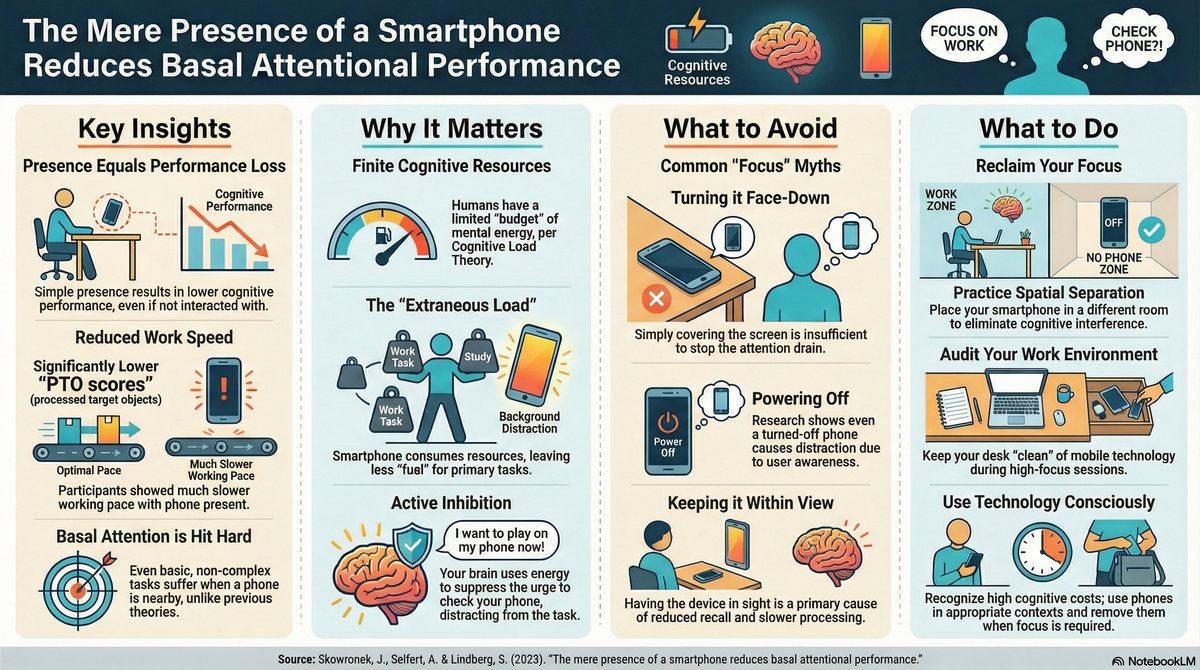
[6]
Emails, notifications, and social media feeds immediately pull your mind in dozens of directions, triggering reactive thinking before you have established proactive intentions. This seemingly small habit carries significant consequences for mental clarity and daily productivity.
Creating a no-phone zone for the first 30 to 60 minutes of your day protects your mental space and allows you to engage in morning rituals that actually serve your goals. This practice requires intention and environmental design. The mental clarity gained from this practice often surprises people. Without the constant pull of digital distractions, you can think more clearly, set intentions more deliberately, and begin your day from a position of control rather than reaction.
Regulate Your Nervous System with Simple Rituals
Modern life keeps many people in a constant state of low-grade stress, their sympathetic nervous system perpetually activated in fight-or-flight mode. Chronic activation of the sympathetic nervous system can impair cognitive function, deplete energy, and undermine both physical and mental health, and may also reduce cognitive performance and contribute to feelings of stress. Morning rituals that regulate your nervous system shift you into parasympathetic mode, the "rest-and-digest" state associated with calm focus and clear thinking.
The following step-by-step breathing exercise provides an accessible entry point for nervous system regulation:
- Find a comfortable seated position, either on a chair with feet flat on the floor or on a cushion with legs crossed. Rest your hands on your knees or in your lap. Close your eyes or soften your gaze toward the floor.
- Take three natural breaths, simply observing your current breathing pattern without trying to change anything. Notice where you feel the breath most prominently—perhaps the nostrils, chest, or belly.
- Begin extending your exhales. Inhale naturally through your nose for a count of four, then exhale slowly through your nose or mouth for a count of six. The extended exhale activates the parasympathetic nervous system.
- Continue this 4-6 breathing pattern for eight to ten cycles. If counting feels distracting, simply focus on making your exhale noticeably longer than your inhale.
- After completing your cycles, release the counting and allow your breath to return to its natural rhythm. Sit quietly for another 30 seconds, noticing any shifts in your mental or physical state.
- Open your eyes slowly and take a moment before standing. Carry this sense of calm alertness into your next morning activity.
Set Your Intentions for a Productive Day
The final component of growth-focused morning rituals involves deliberately directing your attention toward your most important priorities. Without clear intentions, your day tends to unfold reactively, shaped by whatever demands feel most urgent in the moment. Setting intentions transforms you from a passive recipient of circumstances into an active architect of your day.
This practice differs from creating an endless to-do list. Intention-setting involves identifying the two or three tasks or outcomes that would make your day genuinely successful, then committing to prioritizing those items above the inevitable noise and distractions that will compete for your attention.
Your Blueprint for a High-Performance Morning
Understanding the components of an effective morning routine matters far less than actually implementing one. This section bridges the gap between knowledge and action, providing practical guidance for designing a personalized routine that fits your unique circumstances. The goal is not perfection but progress—building sustainable habits that compound over time into transformative results.
The Power of Small Habits and Consistency
The most common mistake people make when attempting to establish a morning routine is trying to change too much too quickly. Research on habit formation consistently shows that small, manageable changes succeed where ambitious overhauls fail. Start your meditation practice with just three mindful breaths after turning off your alarm rather than attempting a full 30-minute session immediately; gradual steps increase adherence and support habit formation.
To build your morning routine using the small habits approach:
- Start with one new habit, ideally the one you believe will create the greatest impact or the one you feel most motivated to try.
- Attach your new habit to an existing behavior using the formula "After I [current habit], I will [new habit]. Atomic Habits"
- Make the habit impossibly easy at first. Showing up matters more than duration.
- Track your consistency using a simple habit tracker, calendar marks, or app.
- Celebrate small wins. This positive reinforcement strengthens the habit loop.
- Gradually expand once the habit becomes automatic.
A Sample Step-by-Step Morning Routine
Having explored the individual components and principles of effective morning routines, the following template synthesizes everything into a customizable blueprint. Treat this not as a prescription but as a starting point for designing your own personalized routine. Adjust times, modify activities, and eliminate elements that do not serve your specific needs and goals.
- Wake at your consistent time. Avoid the snooze button, which fragments sleep and increases grogginess.
- Drink 16 to 20 ounces of water immediately upon rising.
- Avoid your phone for at least the next 30 to 60 minutes.
- Get natural light exposure within the first 30 minutes of waking.
- Engage in light movement for 10 to 20 minutes.
- Practice nervous system regulation for 5 to 10 minutes.
- Prepare and eat a nutritious breakfast containing protein, healthy fats, and complex carbohydrates.
- Set your intentions for the day in 5 to 10 minutes.
- Complete any personal hygiene routines—shower, skincare, dressing—that prepare you to face your day with confidence.
- Begin your designated phone and communication time if desired, or proceed directly into your first work block while your mental clarity remains at its peak.
Conclusion
The morning hours represent a daily opportunity for renewal—a chance to establish the physical energy and mental clarity that enable your best work and most meaningful growth. The practices explored in this guide, from mastering wake-up patterns to regulating your nervous system to setting clear intentions, work together to create conditions for consistent performance across every area that matters.
Remember that the connection between morning routines and outcomes operates through two essential life spheres. Your physical health determines the raw energy available for everything you do, and the morning habits of sunlight exposure, hydration, movement, and nutrition directly influence this energy. Simultaneously, your growth depends on cultivating focus, discipline, and self-awareness—capacities built through practices like mindfulness, intention-setting, and protecting your attention from digital distractions.
Your mornings are not mere preludes to the important parts of your day. They are the foundation upon which everything else rests. Design them with intention. Guard them from intrusion. Use them to boost energy, sharpen focus, and build the discipline that enables growth in every direction you choose. The power to transform your days—and ultimately your life—begins with how you spend your first waking hour. Tomorrow morning, start building the routine that will carry you toward your highest potential.
References
-
Phillips, L. A., Burns, E., & Leventhal, H. (2020). Time-of-Day Differences in Treatment-Related Habit Strength and Adherence. Annals of Behavioral Medicine.
Ann. Behav. Med. (2020) XX:1–6
DOI: 10.1093/abm/kaaa042 -
Circadian Biomarkers in Humans: Methodological Insights into the Detection of Melatonin and Cortisol
Biomolecules 2025, 15(7) -
The Cortisol Awakening Response: Regulation and Functional Significance
Endocrine Reviews, Volume 46, Issue 1, February 2025, Pages 43–59 -
Why You’re Feeling Foggy: Understanding How “Mild Dehydration Impairs Cognitive Performance and Mood of Men”
British Journal of Nutrition, 106(10), 1535–1543 -
Why Your Bad Mood Might Just Be Thirst: Insights from "Mild Dehydration Affects Mood in Healthy Young Women"
012 Feb;142(2):382-8. doi: 10.3945/jn.111.142000. Epub 2011 Dec 21. -
Your Smartphone is Stealing Your Brainpower (Even When It’s Off): Insights from “The mere presence of a smartphone reduces basal attentional performance”
Skowronek, J., Seifert, A. & Lindberg, S. The mere presence of a smartphone reduces basal attentional performance. Sci Rep 13, 9363 (2023). https://doi.org/10.1038/s41598-023-36256-4