Is Your Diet Missing a Vital Spark? Exploring the Health Benefits of Omega-3 Fatty Acids
Have you ever felt like your brain was stuck in a fog, or wondered if you were doing enough to protect your heart for the long haul? We often search for "superfoods" or expensive lifestyle hacks to fix these problems, but the answer might be much simpler—and it is likely something your current diet is lacking. Research indicates that omega-3 fatty acids are not just a health trend; they are fundamental building blocks for a healthy life.
The Foundation of Every Cell
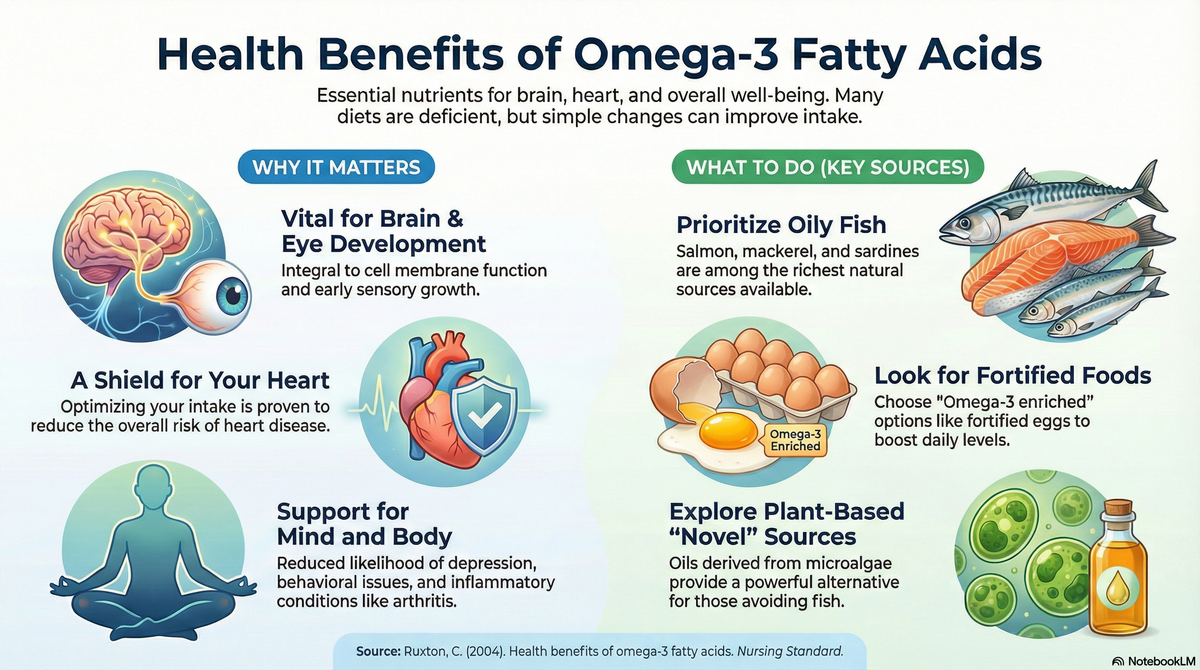
At the most basic level, omega-3 polyunsaturated fatty acids are essential for the way your body functions because they play an integral role in cell membrane function. Every cell in your body has a "skin" or membrane, and these fatty acids help that membrane stay healthy and communicative.
• Why it matters: When your cells function correctly, your entire body can run more smoothly.
• Practical Guidance:
What to do: Focus on incorporating healthy, polyunsaturated fats into your meals.
What not to do: Don't try to eliminate all fats from your diet, as your body requires these specific "good" fats to maintain its cellular structure.
Fuel for Your Brain and Eyes
Omega-3s are critical players in the development and health of the brain and eyes. They aren't just important for growing children; they are necessary for maintaining cognitive sharpness and visual clarity throughout your life.
• Why it matters: Better brain health can lead to improved focus, while healthy eyes are essential for how we interact with the world every day.
• Practical Guidance: Make omega-3s a priority for the whole family. If you have children, ensuring they have these fats is vital for their developing minds. For adults, it is a simple way to invest in your future mental clarity.
A Natural Shield for Your Heart
One of the most significant findings in nutritional science is that optimizing your intake of these fatty acids can reduce the risk of heart disease. In a world where heart health is a major concern, this is a powerful, food-based tool for prevention.
• Why it matters: Protecting your heart is the key to longevity and staying active as you get older.
• Practical Guidance:
What to do: Aim to swap out heavy or processed meats for "oily fish" at least twice a week.
What not to do: Don't rely solely on a standard modern diet, as many (such as the British diet) are notoriously low in these protective fats.
Support for Mood and Joint ComfortBeyond the heart and brain, omega-3s appear to help with your mental well-being and physical comfort. Evidence suggests they may reduce the likelihood of depression, behavioral problems, and inflammatory conditions like rheumatoid arthritis.
• Why it matters: Physical pain and low mood can significantly decrease your quality of life. Using nutrition to support your mental and joint health is a proactive way to feel better every day.
• Practical Guidance: If you struggle with stiff joints or persistent low mood, look at your plate. Increasing your omega-3 intake is a healthy habit that can help manage inflammation and boost your spirits.
Closing the "Omega Gap" The reality is that many people are living with a deficiency in these essential fats. The good news is that it is easy to fix by choosing the right foods.
• Top Sources: Look for oily fish (like salmon or mackerel), but also keep an eye out for "novel" sources like fortified eggs and oils derived from microalgae.•
Life Rule: Treat Omega-3s as "essential maintenance" for your body—just like oil for a car, your system simply runs better when they are present.
Reflective Question: If you could significantly lower your risk of heart disease and sharpen your mind just by changing two meals a week, why wouldn't you start today?
References
Carrie Ruxton Health benefits of omega-3 fatty acids.
PMID: 15366399 DOI: 10.7748/ns2004.08.18.48.38.c3668