
Intermittent Fasting Guide: key approaches, what works, what to avoid
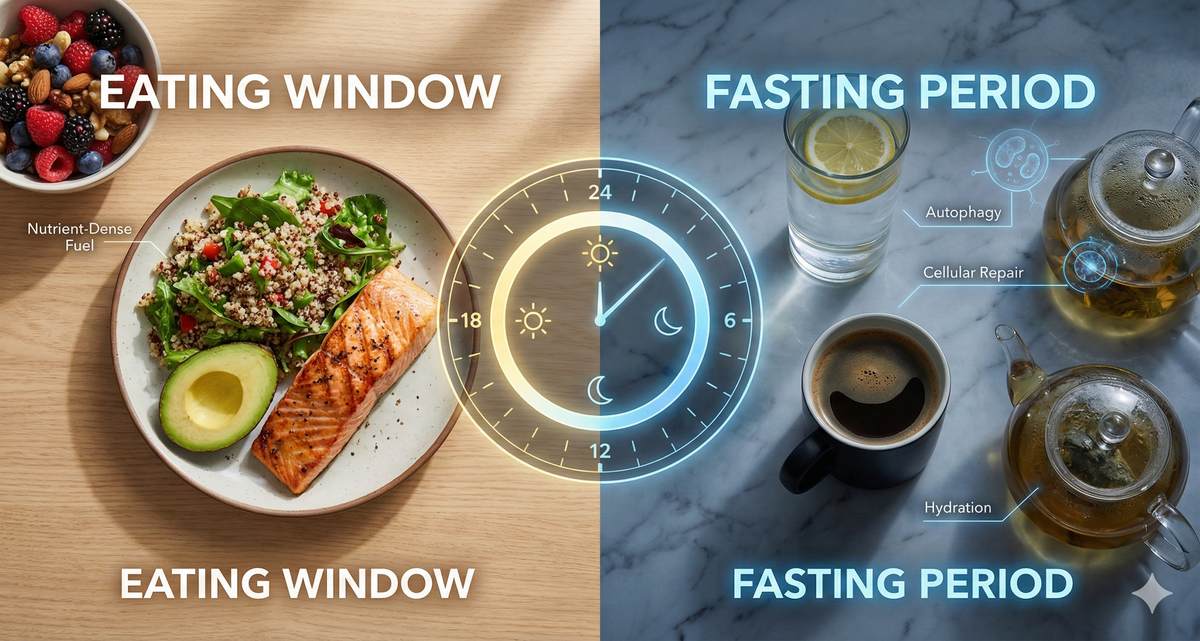
Intermittent fasting, often abbreviated as IF, has surged in popularity not as a conventional diet, but as a structured eating pattern. It's a conscious decision to cycle between periods of eating and voluntary fasting, shifting the focus from what you eat to when you eat. Many people are integrating this method into their lifestyle to support a healthy diet, improve metabolic health, and simplify their daily routines. This guide will explore the key approaches, the science-backed benefits, and the common pitfalls to avoid on your journey.
What is Intermittent Fasting and How Does It Work?
At its core, intermittent fasting is not about food restriction or calorie counting in the traditional sense. It's an eating schedule that alternates between a designated eating "window" and a fasting period. The principle is simple: giving your body a prolonged break from digestion allows it to trigger powerful metabolic and cellular processes that are otherwise dormant. The real magic happens deep within your cells when you're in the fasted state.
The Science Simplified: Insulin, Autophagy, and Hormones
When you fast, several things happen inside your body. First, your insulin levels drop significantly, which facilitates fat burning. Your body's cells also initiate a critical waste-removal process known as autophagy. Think of this as a cellular cleanup, where cells remove old, dysfunctional proteins that can build up and cause problems. This process is linked to longevity and plays a role in protecting against various diseases. Furthermore, fasting can increase levels of human growth hormone (HGH), which aids in fat loss and muscle gain.
Key Approaches to Intermittent Fasting
Intermittent fasting is highly flexible, with several popular methods that can be adapted to individual lifestyles and preferences. Understanding these approaches is the first step to finding a sustainable practice.
The 16/8 Method: The Daily Approach
This is the most popular form of IF, where you fast for 16 hours and have an 8-hour eating window. For most people, this means skipping breakfast and having their first meal around noon, then finishing their last meal by 8 p.m. It's often considered the most sustainable and socially adaptable method.
The 5:2 Diet: Fasting Two Days a Week
With this method, you eat normally for five days of the week. On the other two days, you restrict your calorie intake to about 500–600 calories. These fasting days should be non-consecutive. This approach allows for more flexibility and doesn't impose daily restrictions.
Eat-Stop-Eat: A 24-Hour Fast
This approach involves a full 24-hour fast once or twice a week. For instance, you might finish dinner at 7 p.m. on a Monday and not eat again until 7 p.m. on Tuesday. It's more challenging but can offer significant metabolic benefits.
Choosing the Right Method for You
The best method is the one you can stick with consistently. Consider your daily schedule, social commitments, and personal temperament. It may be wise to start with the 16/8 method and see how your body responds before trying a more advanced approach.
What Works: The Evidence-Based Benefits of IF
The buzz around intermittent fasting is backed by a growing body of scientific research highlighting its tangible benefits for health and wellness. These advantages go far beyond just managing weight.
- Weight loss and fat burning: By lowering insulin and increasing hormone levels, IF boosts your metabolic rate, helping you burn more calories. It specifically targets and burns visceral fat, which is the harmful fat in the abdominal cavity.
- Improved metabolic health: IF has been shown to have a powerful effect on insulin resistance, leading to a significant reduction in blood sugar levels. This makes it a strong tool in the fight against type 2 diabetes.
- Cellular repair and longevity: Triggering autophagy allows your body to cleanse itself on a cellular level, which is believed to contribute to a longer, healthier life and provide protection against diseases like cancer and Alzheimer's.
- Brain and heart health: Intermittent fasting can improve several risk factors for heart disease, such as blood pressure, cholesterol levels, and inflammatory markers. It also boosts brain-derived neurotrophic factor (BDNF), a hormone that supports the growth of new neurons and may protect against brain-related conditions.
What to Avoid: Common Intermittent Fasting Mistakes
While IF is a powerful tool, certain mistakes can undermine its benefits and make the experience unpleasant. Avoiding these common pitfalls is crucial for long-term success as part of a healthy diet.
Ignoring Your Body's Hunger Cues
While mild hunger is normal, you should never feel unwell. Dizziness, extreme fatigue, or sharp hunger pains are signals that something is wrong. Don't be afraid to adjust your fasting window or break your fast early if your body is telling you to. Listen to your body above all else.
Overeating or Making Poor Food Choices
A common mistake is to see the eating window as a free-for-all. Breaking your fast with highly processed, sugary foods will spike your insulin and negate many of the benefits. It's equally important not to overeat out of a false sense of reward. The goal is to nourish, not gorge.
Forgetting to Hydrate Properly
Your body gets a significant amount of water from food, so when you're fasting, you need to be extra diligent about drinking fluids. Dehydration can lead to headaches, fatigue, and hunger pangs. Proper hydration is non-negotiable.
Integrating Intermittent Fasting into a Healthy Diet
To truly unlock the benefits of IF, you must combine it with a nutrient-dense, healthy diet. What you eat during your eating window is just as important as when you eat it.
What to Eat During Your Eating Window
Focus on whole, unprocessed foods. A balanced plate should include: lean proteins (chicken, fish, legumes), healthy fats (avocado, nuts, olive oil), complex carbohydrates (quinoa, sweet potatoes), and plenty of fiber-rich vegetables. This combination will keep you full, energized, and provide the nutrients your body needs to thrive.
What to Drink While Fasting
During your fasting period, it's essential to stick to zero-calorie beverages to avoid breaking your fast. Good choices include: water, black coffee, and unsweetened herbal teas. These can help manage hunger and keep you hydrated.
Conclusion
Intermittent fasting is more than a trend; it's a versatile and powerful eating pattern that can enhance your health, simplify your life, and accelerate your progress towards your wellness goals. By choosing the right approach, focusing on nutrient-dense foods as part of a healthy diet, and avoiding common mistakes, you can successfully integrate IF into your lifestyle. Remember to be patient, listen to your body, and view intermittent fasting as a sustainable tool for long-term health, not just a quick fix.