
How to Give Feedback Without Hurting: Practical Tips for Friends, Partners, and Children

Few things feel more uncomfortable than knowing you need to say something difficult to someone you love. Whether it's telling your partner that their constant phone use during dinner makes you feel invisible, asking a friend to stop making jokes at your expense, or helping your child understand why their behavior was hurtful, the prospect of giving feedback can tie your stomach in knots. You want to be honest, but you also don't want to damage the relationship or watch the person you care about shut down, get defensive, or walk away wounded.
Here’s the truth: honest feedback is an important factor in maintaining healthy, lasting relationships. Without it, small irritations fester into resentment, misunderstandings multiply, and emotional distance grows. It can be helpful for people to be aware when something isn’t working, and to receive this feedback in a way that respects their dignity and preserves trust. Research shows that couples who communicate openly about their needs, frustrations, and expectations are more likely to feel satisfied and stay connected over time [1]. Honest feedback helps prevent misunderstandings from turning into resentment while keeping trust and emotional connection intact.
 Viktoria Samokhval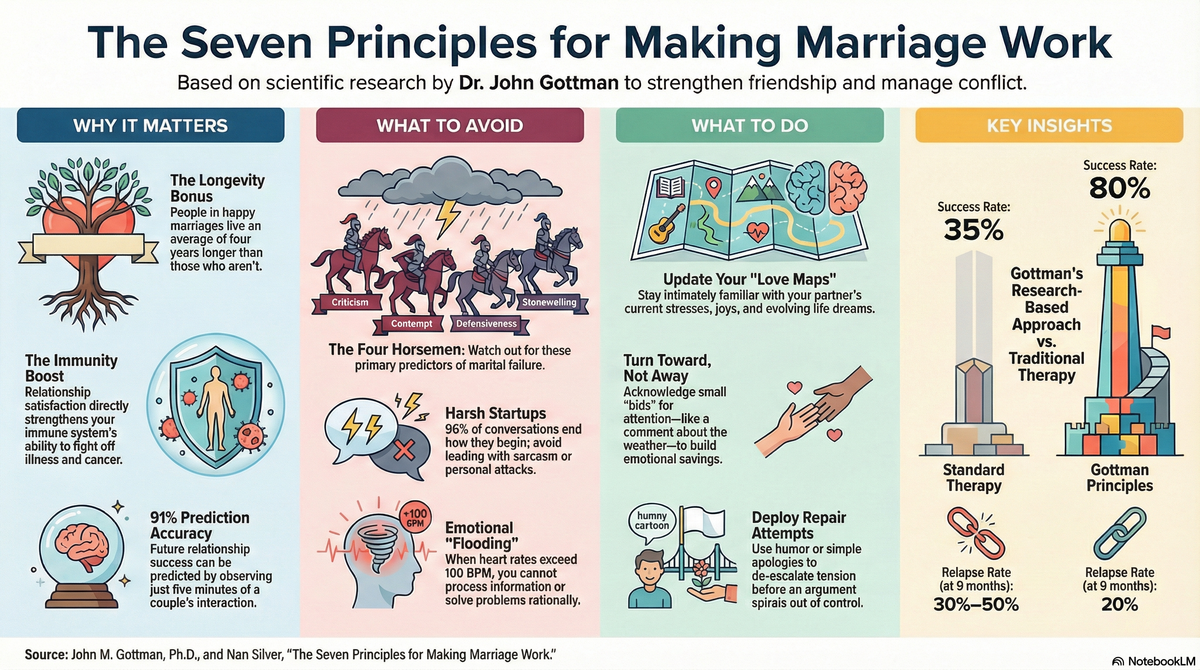
[1]
But giving feedback isn’t just about saying what’s on your mind—it’s about how you say it. Feedback is most effective when it focuses on behavior rather than character, uses “I-statements” to express your needs without blame, and creates a sense of emotional safety [2]. When approached this way, even difficult conversations can strengthen a relationship instead of damaging it. The goal isn’t to win an argument or prove a point—it’s to navigate tough topics together with care and respect, showing the other person that your relationship matters.
 Viktoria Samokhval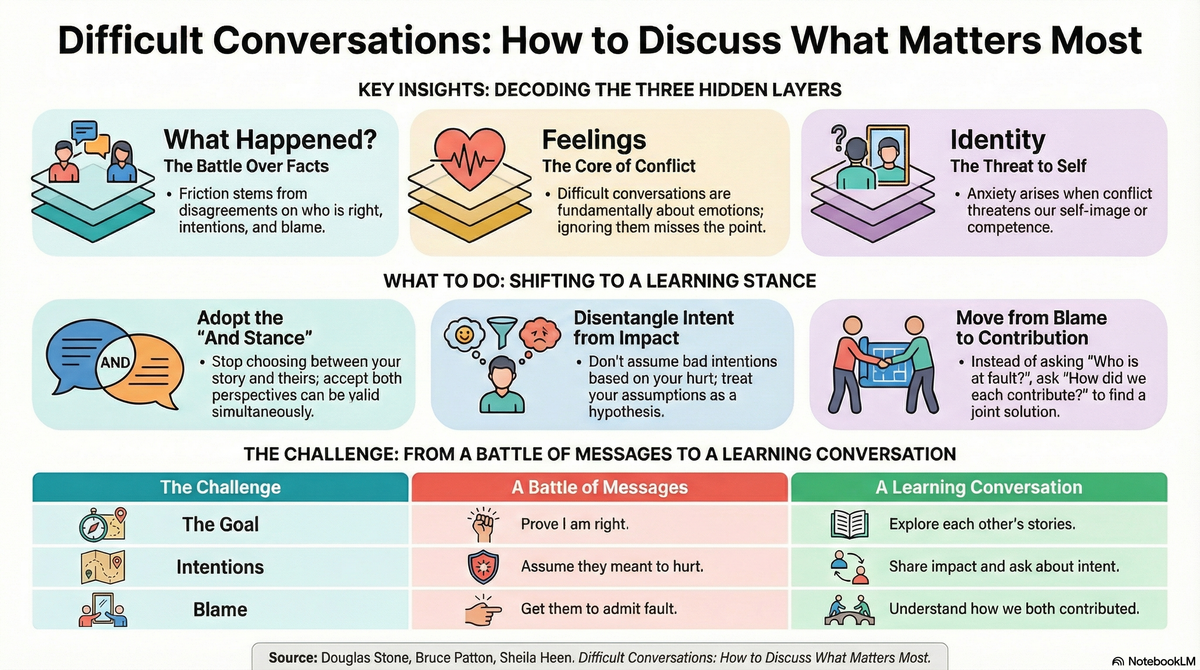
[2]
This article is your practical guide to mastering the art of constructive criticism in your most important relationships. You'll learn how to create emotional safety before difficult conversations, use language that focuses on behavior rather than attacking character, express your needs without assigning blame, and adapt your approach for partners, friends, and children. By the end, you'll understand that giving feedback well isn't just about avoiding conflict—it's about strengthening trust and deepening the connections that matter most in your relationships and community.
The Foundation: Creating Emotional Safety
Before you say a single word of feedback, the groundwork for how it will be received has already been laid. The environment you create—both physically and emotionally—determines whether your honest feedback lands as care or as criticism. This foundation is what researchers call psychological safety, and it's the bedrock upon which all productive conversations rest.
Why Safety Matters for Honest Feedback
When people feel emotionally safe, they can hear difficult things without their defenses slamming shut. Emotional safety—also called psychological safety [3]—means the other person feels the conversation is secure, respectful, and non-threatening. When they feel attacked or ambushed, the opposite happens: their brain shifts into protection mode, and suddenly they're no longer listening to understand—they're listening to defend themselves. Emotional safety in feedback conversations means the other person believes several things:
- You have positive intent and want what's best for them and the relationship.
- You're not trying to shame, control, or manipulate them.
- They won't be punished or rejected for having a different perspective.
- The relationship is secure enough to survive disagreement.
 Viktoria Samokhval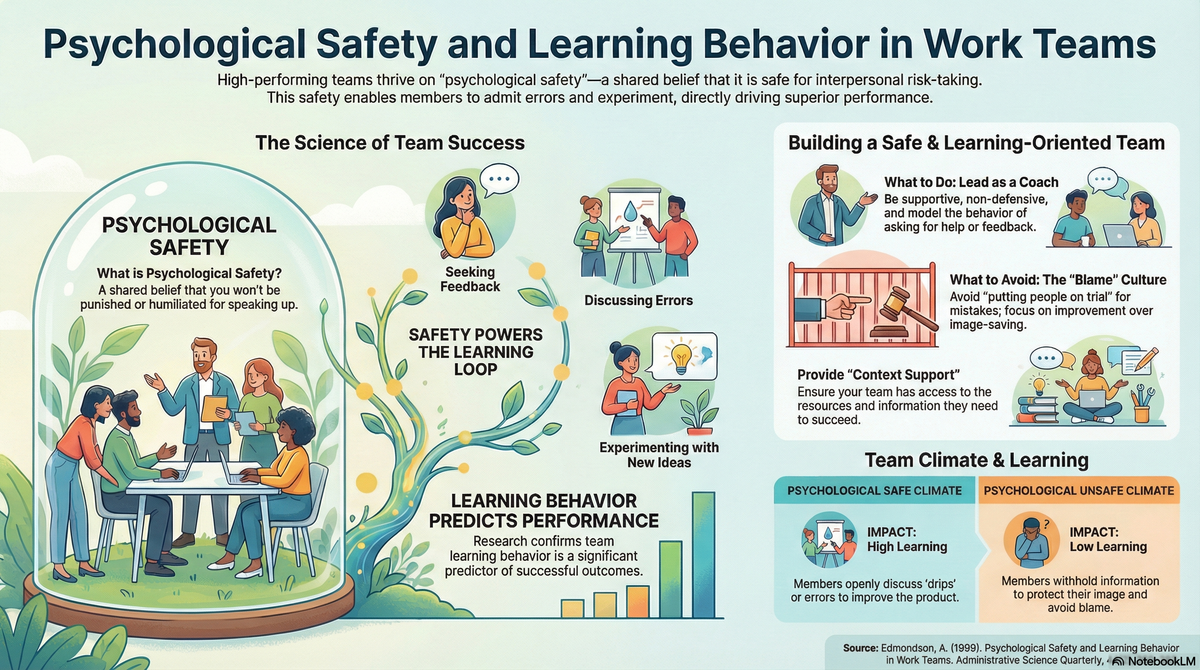
[3]
When these conditions exist, something remarkable happens. The person can actually hear your feedback, consider it honestly, and respond thoughtfully rather than reactively. Trust isn't broken—it's reinforced because you've demonstrated that you can navigate hard conversations together.
Choosing the Right Time and Place
Timing isn't everything, but it's close. The same piece of feedback delivered at the wrong moment can wound deeply, while the same words spoken at the right time can open doors to genuine understanding. Here are practical guidelines for choosing when to give feedback:
- Wait until you're both calm.
- Don't ambush the other person.
- Make it private.
- Consider asking for a time.
- Avoid loaded times like right before bed or during a crisis.
Setting a Supportive Tone
Your tone of voice and body language communicate more than your words ever will. A supportive tone conveys that you're on the same team. It says, "I'm bringing this up because I care about you and about us, not because I want to prove I'm right or make you feel bad." Practical ways to set a supportive tone include:
- Start with connection, not criticism.
- Watch your body language (e.g., uncross your arms, maintain gentle eye contact).
- Modulate your voice to be calm and steady.
- Avoid sarcasm and contempt.
- Check your own emotional state and take a break if needed.
The Language of Constructive Feedback
Once you've established a foundation of emotional safety, the words you choose become crucial. The difference between feedback that wounds and feedback that builds often comes down to specific language patterns [4]. This section breaks down the key linguistic tools that make constructive criticism actually constructive.
 Viktoria Samokhval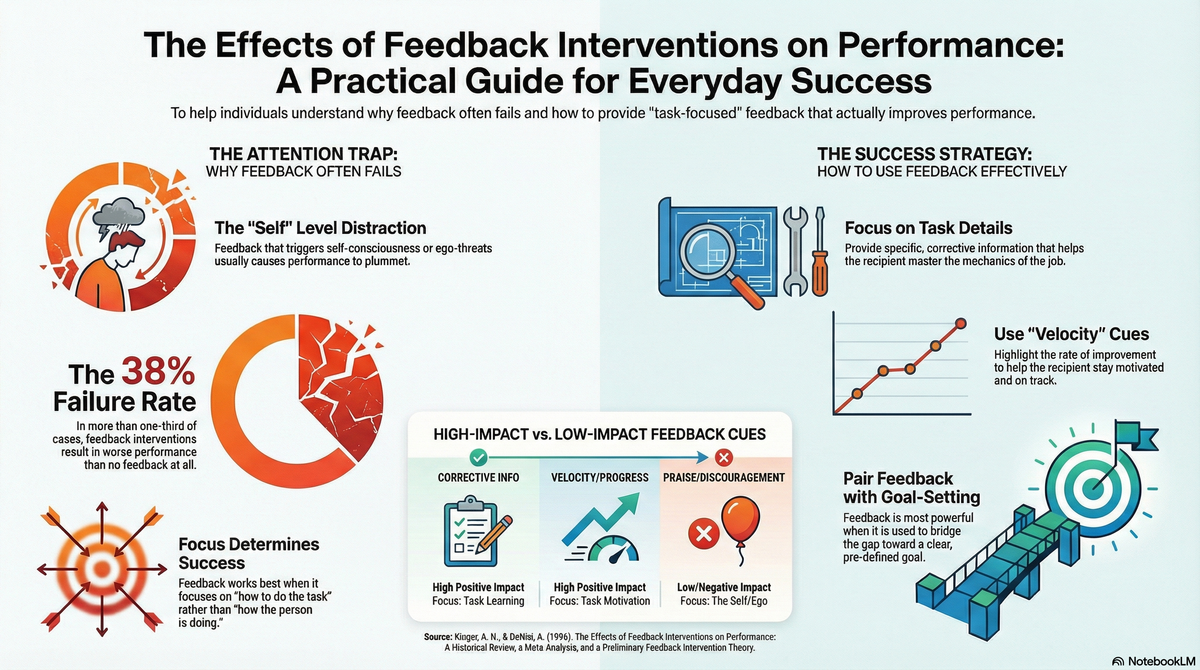
[4]
Talk About Behavior, Not Identity
One of the most important principles in giving feedback is distinguishing between what someone did and who they are. When feedback targets identity—"You're so selfish"—it attacks the person's sense of self. The Situation-Behavior-Impact model is a powerful tool to avoid this. Here’s how it works with examples:
- For a partner: Instead of "You're so inconsiderate," try "Last night when I was telling you about my day (Situation), you kept scrolling through your phone (Behavior), and it made me feel like what I was saying didn't matter to you (Impact)."
- For a friend: Instead of "You're always flaky," try "The last three times we've made plans (Situation), you've canceled at the last minute (Behavior), and I've started to feel like our friendship isn't a priority for you (Impact)."
- For a child: Instead of "You're being mean," try "When your sister asked to play with you (Situation), you said she was annoying and slammed the door (Behavior), and I could see it really hurt her feelings (Impact)."
Express Your Needs, Not Blame
The language of blame creates walls; the language of needs builds bridges. This is where "I-statements" become invaluable. An "I-statement" expresses your experience without accusing or attacking. Compare these:
- "You-statement": "You never help around the house."
- "I-statement": "I feel overwhelmed when I'm handling all the household tasks alone. I need us to share the load more evenly."
- "You-statement": "You always interrupt me."
- "I-statement": "I feel frustrated when I can't finish my thoughts. I need to feel heard when I'm talking."
Use Questions, Not Pressure
Feedback should be a conversation, not a lecture. Use open-ended questions to transform feedback into a dialogue. This invites the other person to share their perspective and gives them ownership over solutions. Effective questions include:
- "Can you help me understand what was going on for you when that happened?"
- "How do you see this situation?"
- "What do you think would help?"
- "How can we work on this together?"
Practical Application for Different Relationships
While the core principles of giving feedback apply universally, the dynamics of different relationships call for tailored approaches. A partner, a friend, and a child each have different needs, vulnerabilities, and relationship contexts.
Giving Feedback to Your Partner
The key to giving feedback to your partner is framing it within your shared goals. You're not adversaries; you're teammates. Lead with your investment in the relationship and make requests, not demands. Acknowledge your own contributions to the issue, and focus on one thing at a time.
Giving Feedback to a Friend
With friends, it's crucial to emphasize mutual respect and the value of the friendship. Acknowledge that it might feel awkward to bring up, but that you're doing so because you cherish the connection. Give them room to respond and be open to hearing their side of the story.
Giving Feedback to Your Child
Giving feedback to children requires combining guidance with unconditional love. Always separate the behavior from the child's identity ("That was a hurtful thing to do" vs. "You are a hurtful person"). Get on their physical level, keep it age-appropriate, and focus on learning, not punishment.
How Healthy Feedback Strengthens Trust
When most people think about feedback, they focus on the potential for conflict. But feedback delivered well has the opposite effect: it builds trust and deepens connection. It shows you care enough to have a hard conversation. In the long run, relationships without honest feedback become shallow. When you master this skill, you achieve deeper intimacy, resolve problems faster, and model healthy communication for your entire community.
Conclusion
Giving feedback without hurting isn't about finding magical words; it's about approaching difficult conversations with care, intentionality, and respect. Remember the key takeaways:
- Create emotional safety first.
- Focus on specific behaviors, not identity.
- Use "I-statements" to express your needs.
- Use questions to create a dialogue.
- Adapt your approach for partners, friends, and children.
Most importantly, remember that healthy feedback is a learnable skill. It is an act of care that says: "You matter to me. Our relationship matters to me. I believe we can navigate hard things together." When feedback comes from that place, it doesn't damage relationships—it deepens them.
References
-
Gottman, J. M., & Silver, N. (1999). The Seven Principles for Making Marriage Work. Harmony Books.
-
Stone, D., Patton, B., & Heen, S. (2010). Difficult Conversations: How to Discuss What Matters Most. Penguin.
-
Edmondson, A. (1999). Psychological safety and learning behavior in work teams.
Administrative Science Quarterly, 44(2), 350–383 -
Kluger, A. N., & DeNisi, A. (1996). The effects of feedback interventions on performance: A historical review, a meta-analysis, and a preliminary feedback intervention theory. Psychological Bulletin.
DOI: 10.1037/0033-2909.119.2.254