
How Roundup Is Secretly Destroying Your Gut Microbiome — And What Science Says You Can Do About It
Most people know Roundup as a weed killer. What they don't know is that the same chemical sprayed on millions of acres of farmland every single day is also officially classified as an antibiotic — and according to a growing body of peer-reviewed research, it is quietly dismantling the microbial ecosystem inside your gut. The evidence is no longer fringe: it's published in major scientific journals, and the implications for your digestive health, immune system, and even mental well-being are significant.
What Is Glyphosate and Why Is It Everywhere?
Glyphosate is the active ingredient in Roundup, the herbicide introduced by Monsanto in 1974. It works by blocking an enzyme called EPSPS, which is part of what scientists call the shikimate pathway — a biochemical route that plants use to produce essential amino acids. Without it, the plant cannot survive. Since animals lack this pathway entirely, glyphosate was initially considered safe for mammals. Regulators approved it broadly, farmers adopted it enthusiastically, and within two decades it became the most widely used herbicide on the planet.
Today, approximately 90 percent of soybeans, corn, sugar beets, and canola grown in the United States come from Roundup-Ready seeds — genetically engineered varieties that are immune to glyphosate so the entire field can be sprayed without harming the crop. Global glyphosate use has increased more than 100-fold since the 1970s.
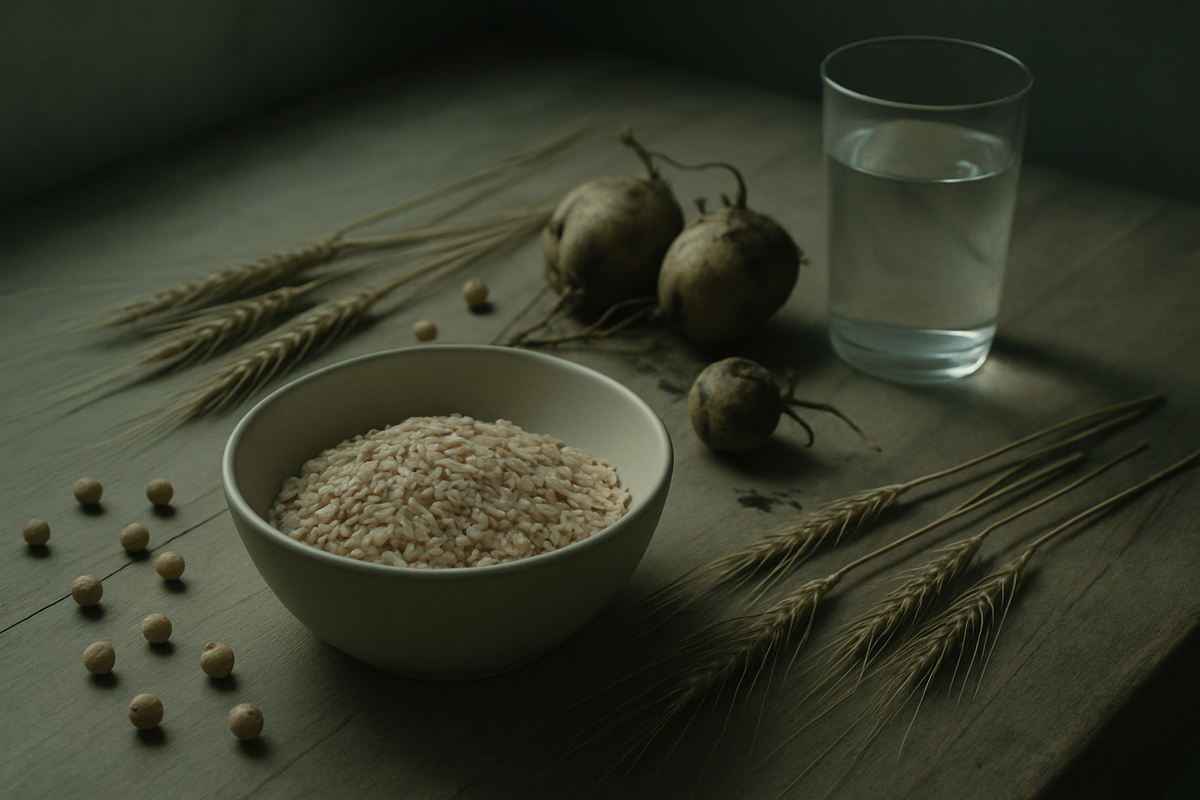
The five food crops with the highest documented glyphosate contamination are:
- Oats and oat-based products (glyphosate detected in over 95% of samples)
- Wheat and wheat products including bread and pasta
- Dried legumes — chickpeas, lentils, and beans (often desiccated with Roundup)
- Breakfast cereals (glyphosate found in approximately 80% of products tested)
- Root vegetables, particularly non-organic carrots and beets
The Hidden Truth — Glyphosate Is an Antibiotic (Patented in 2010)
Here is the fact that changes everything: glyphosate is not just a herbicide. In 2010, Monsanto was granted a patent for glyphosate as an antimicrobial agent. This came from a discovery made in 1983, when Monsanto scientists found bacteria thriving in the wastewater of a glyphosate manufacturing facility. These bacteria had evolved resistance to the herbicide — the same insight that would later lead to the creation of Roundup-Ready crops.
What Monsanto recognized in that patent was what the broader public still doesn't know: glyphosate kills bacteria. And just as it kills the weeds in your field, it can kill the bacteria in your gut. The shikimate pathway that glyphosate targets isn't exclusive to plants. A large proportion of the microbial species that inhabit the human digestive system also rely on this pathway — and they have no evolved resistance to glyphosate.
How Glyphosate Damages Your Gut Microbiome
The Shikimate Pathway in Your Gut
A landmark 2023 peer-reviewed study published in the journal Gut Microbes found that approximately 54 percent of species in the core human gut microbiome contain the EPSPS enzyme that glyphosate targets. These bacteria are potentially sensitive to glyphosate exposure. When glyphosate enters the gut — through food, water, or inhalation — it can inhibit these bacteria, reduce microbial diversity, and fundamentally alter the composition of your gut microbiome. Another study found that glyphosate exposure damaged more than half of the beneficial microbial species in the gut at doses relevant to everyday dietary exposure.
The Rise of Inflammatory and Opportunistic Microbes
When beneficial bacteria are suppressed, the ecological balance of the gut shifts. Opportunistic microbes — including pro-inflammatory bacteria and fungi like Candida — fill the vacuum. Research published in Frontiers in Microbiology found that both bacterial and fungal diversity were affected by Roundup formulations in a dose-dependent manner. Glyphosate-resistant bacteria tend to be pro-inflammatory strains, meaning the gut that survives glyphosate exposure isn't just smaller in diversity — it's more inflamed. This shift has been linked to increased gut inflammation even at doses that regulatory agencies consider safe.
Leaky Gut and the Zonulin Connection
One of glyphosate's most troubling effects is its impact on intestinal permeability. The gut lining is held together by tight junctions that prevent undigested particles, bacteria, and toxins from leaking into the bloodstream. Glyphosate has been shown to trigger the release of zonulin — a protein that directly loosens these tight junctions. The result is increased intestinal permeability, commonly known as leaky gut. Once the gut wall is compromised, systemic inflammation can follow, along with food sensitivities, immune dysregulation, fatigue, and brain fog.
Multigenerational Damage
Perhaps the most alarming finding is that the damage may not stop with you. A Canadian study found that glyphosate-resistant microbes are inflammatory and may affect neurodevelopment — and that a damaged microbiome can potentially be passed down through generations. Children born to parents with glyphosate-disrupted microbiomes may start life with a microbial community already primed for chronic inflammation.
You're Eating More Glyphosate Than You Think
The Desiccation Secret
Most people assume glyphosate exposure comes primarily from GMO crops. But one of the highest sources comes from a farming practice almost no one knows about: desiccation. Up to 15 percent of farmers spray Roundup directly onto non-GMO crops — including oats, wheat, chickpeas, lentils, and beans — just days before harvest to kill and dry the plant for easier mechanical collection.
The critical difference: when crops are desiccated, they fully absorb the glyphosate into the grain or seed. There is no washing it off, no peeling it away. Foods most commonly desiccated with glyphosate include:
- Oats and rolled oats
- Whole wheat and wheat flour
- Chickpeas and lentils
- Dried beans (black, kidney, navy)
- Barley and rye
The Numbers in Your Food
The scale of contamination is striking. Studies have found glyphosate residues in approximately 90 percent of wheat samples, 80 percent of breakfast cereal products, and 70 percent of commercially sold bread. Glyphosate has been detected in the blood and urine of people across multiple countries — including populations with no occupational farming exposure. You don't need to work on a farm to carry glyphosate in your body. You just need to eat a standard Western diet.
Even Fermented Foods Are Affected
In a remarkable case study, researchers traced problematic fermentation of commercial sauerkraut back to glyphosate in the manure used to fertilize the cabbage. The manure came from chickens fed Roundup-Ready grain. Even after passing through chickens and into soil, glyphosate levels in the cabbage were high enough to inhibit the microbes responsible for fermentation. This illustrates how deeply glyphosate has penetrated the food chain — even foods we consider health-promoting can carry its effects.
What Symptoms Might Glyphosate Gut Damage Be Causing?
The research does not yet prove direct causation for most conditions, but associations are compelling. Symptoms and conditions linked in scientific literature to glyphosate-mediated gut dysbiosis include:
- Bloating and gas, particularly after grain-heavy meals
- Irritable bowel syndrome (IBS) and unexplained digestive discomfort
- Food sensitivities that appeared or worsened in adulthood
- Unexplained fatigue unrelated to sleep quality
- Brain fog and difficulty concentrating
- Mood changes, including anxiety or low mood
- Autoimmune flares and increased systemic inflammation
- Recurrent yeast overgrowth (Candida)
It is significant that rates of celiac disease, inflammatory bowel disease, and IBS have all risen in parallel with the global increase in glyphosate use over the past four decades — consistent with what the mechanistic research would predict.
How to Protect Your Gut Microbiome From Glyphosate
Choose Organic — Especially for High-Risk Foods
The single most impactful change you can make is switching to organic versions of high-contamination foods. Organic certification prohibits glyphosate entirely. Research shows that switching to a fully organic diet reduces urinary glyphosate levels to baseline within just three days. If buying everything organic isn't financially feasible, prioritize in this order:
- Oats and oatmeal (highest contamination risk due to desiccation)
- Bread, pasta, and wheat products
- Dried legumes: chickpeas, lentils, beans
- Breakfast cereals and granola
- Root vegetables and leafy greens
Filter Your Drinking Water
Glyphosate is water-soluble and has been detected in tap water, particularly in regions near agricultural operations. Activated carbon filters have been shown to significantly reduce glyphosate concentrations. For higher protection, reverse osmosis systems are even more effective. Look for NSF/ANSI certification that specifically covers pesticide removal when selecting a filter.
Eat Asian Fermented Foods — There's a Scientific Reason
Aspergillus oryzae — the fungus used to ferment miso paste, soy sauce, sake, and mirin — has been shown to metabolize and degrade glyphosate. Regular consumption of these foods doesn't just support your microbiome through their probiotic content; it may actively help neutralize glyphosate that has entered the gut. A daily bowl of miso soup or cooking regularly with traditionally fermented soy sauce are simple, delicious ways to leverage this biology.
Rebuild with Fiber and Ferments
A high-fiber diet feeds butyrate-producing bacteria that maintain the gut lining and keep tight junctions intact. Butyrate is the primary energy source for colon cells and plays a key role in reducing intestinal permeability. Rich fiber sources include organic oats, legumes, vegetables, and whole grains.
Fermented foods also outperform probiotic supplements for restoring gut diversity. Rather than flooding the gut with large quantities of a few strains, fermented foods introduce diverse microbial communities that integrate more naturally. Best options include:
- Kimchi
- Traditionally made sauerkraut
- Kefir
- Unsweetened yogurt with live cultures
- Kombucha
Wash Produce Thoroughly
When organic options aren't available, proper washing reduces surface pesticide residues. Soak fruits and vegetables in warm water with a tablespoon of baking soda or white vinegar for 10–15 minutes, then rinse well. Peel root vegetables where possible. If you eat meat or fish, trim the fat — pesticides and herbicides accumulate preferentially in fatty tissue.
Conclusion
Glyphosate is the world's most widely used herbicide, officially patented as an antibiotic, and present in the majority of foods that make up a standard Western diet. The research is clear that it disrupts the gut microbiome in ways that affect digestion, immunity, mental clarity, and potentially future generations. The hopeful news is that the body responds quickly — just three days on an organic diet measurably reduces glyphosate levels. You don't need to overhaul your entire life at once. Start with one change: swap your morning oats or cereal for an organic brand this week, and pay attention to how your digestion, energy, and mood respond over the following two weeks. Your gut microbiome is worth protecting — and the science now shows you exactly how to do it.
Sources
Psychology Today / Mood by Microbe — The Unexpected Impact of Glyphosate on the Microbiome