Hormones 101: cortisol, dopamine, serotonin & how they influence your daily wellbeing
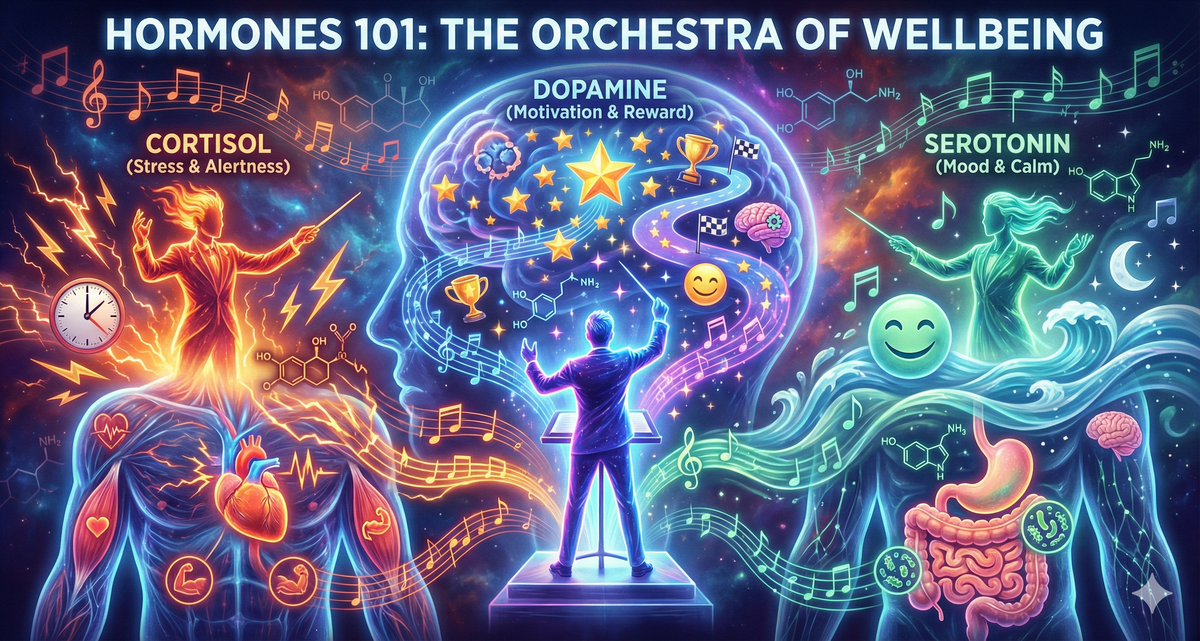
Your body is a complex orchestra, and hormones are the conductors, directing everything from your energy levels and mood to your sleep patterns and appetite. Understanding these powerful chemical messengers is the first step toward optimizing your daily wellbeing. This article dives into Hormones 101, demystifying three key players—cortisol, dopamine, and serotonin—and explaining how they influence your life every single day.
What Are Hormones and Why Do They Matter?
Hormones are specialized chemicals produced by your endocrine system that act as messengers, traveling through your bloodstream to tissues and organs. They regulate nearly all of your body’s major processes, including metabolism, growth, and reproduction. When your hormones are in balance, you feel energetic, focused, and resilient. When they're out of whack, you might feel tired, anxious, or unmotivated.
The "Big Three": Cortisol, Dopamine, and Serotonin
While your body uses over 50 different hormones, we'll focus on three that have a profound impact on your daily mental and physical state: cortisol (the stress hormone), dopamine (the motivation molecule), and serotonin (the feel-good chemical). Mastering their balance is key to unlocking better health.
The Stress Hormone: Understanding Cortisol
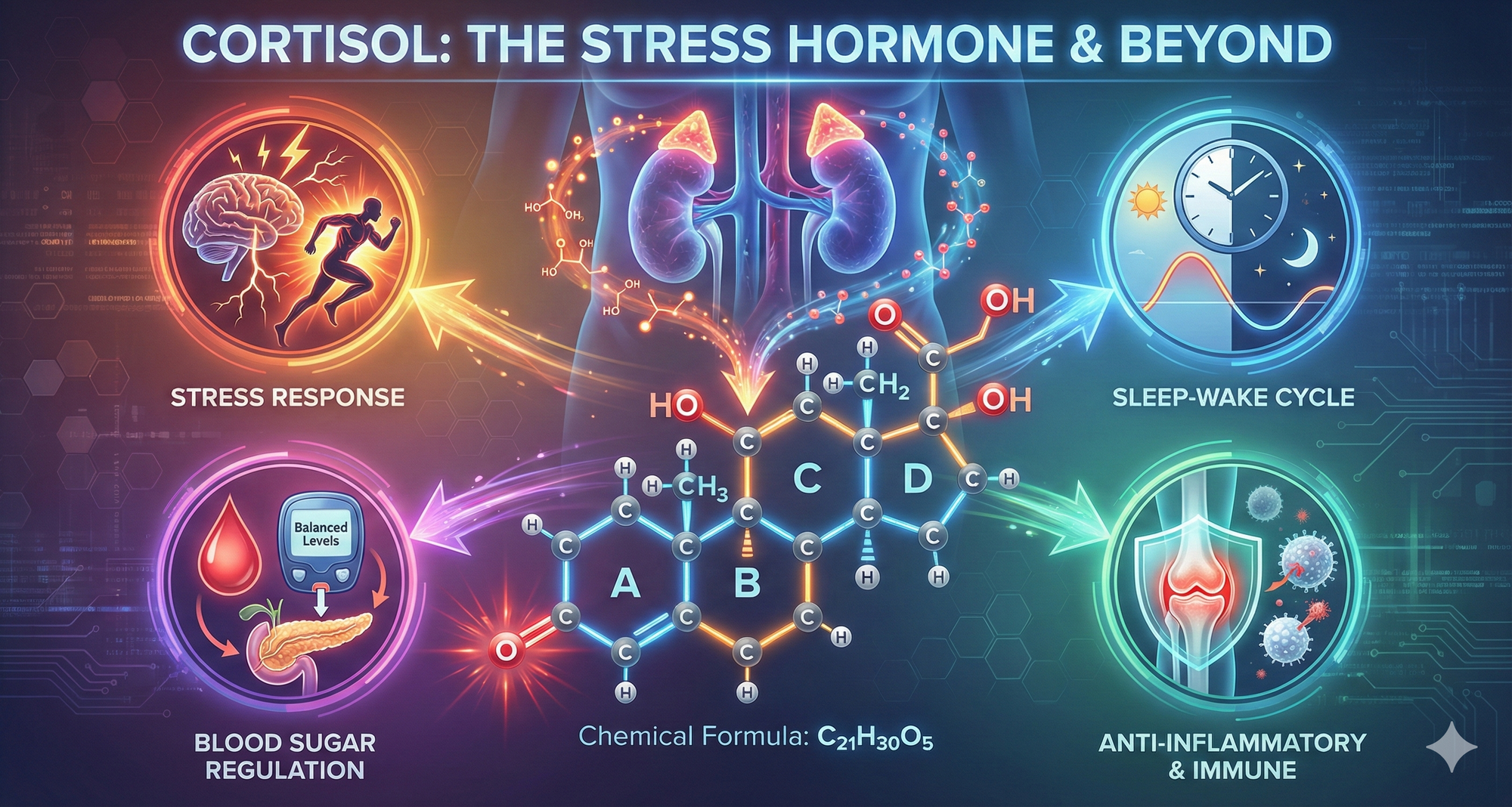
Often villainized, cortisol is a crucial steroid hormone produced by your adrenal glands. Its primary role is to manage your body’s response to stress, but it also helps regulate blood sugar, reduce inflammation, and control your sleep-wake cycle.
The Good: When Cortisol Helps You
In short bursts, cortisol is essential for survival. It powers the "fight-or-flight" response, giving you a surge of energy and focus to handle a threat. It wakes you up in the morning and keeps you alert throughout the day. A healthy cortisol rhythm is high in the morning and gradually tapers off toward the evening.
The Bad: Chronic Stress and High Cortisol
Problems arise when stress becomes chronic. Constant stressors from work, relationships, or poor lifestyle choices can keep cortisol levels consistently high. This chronic elevation can disrupt virtually all your body's processes, leading to significant health issues over time, including a weakened immune system and an increased risk of chronic disease.
Signs Your Cortisol Is Out of Balance
- Persistent fatigue, especially feeling "wired but tired"
- Difficulty falling asleep or staying asleep
- Weight gain, particularly around the abdomen
- Increased anxiety, irritability, or depression
- Sugar and salt cravings
- Brain fog and difficulty concentrating
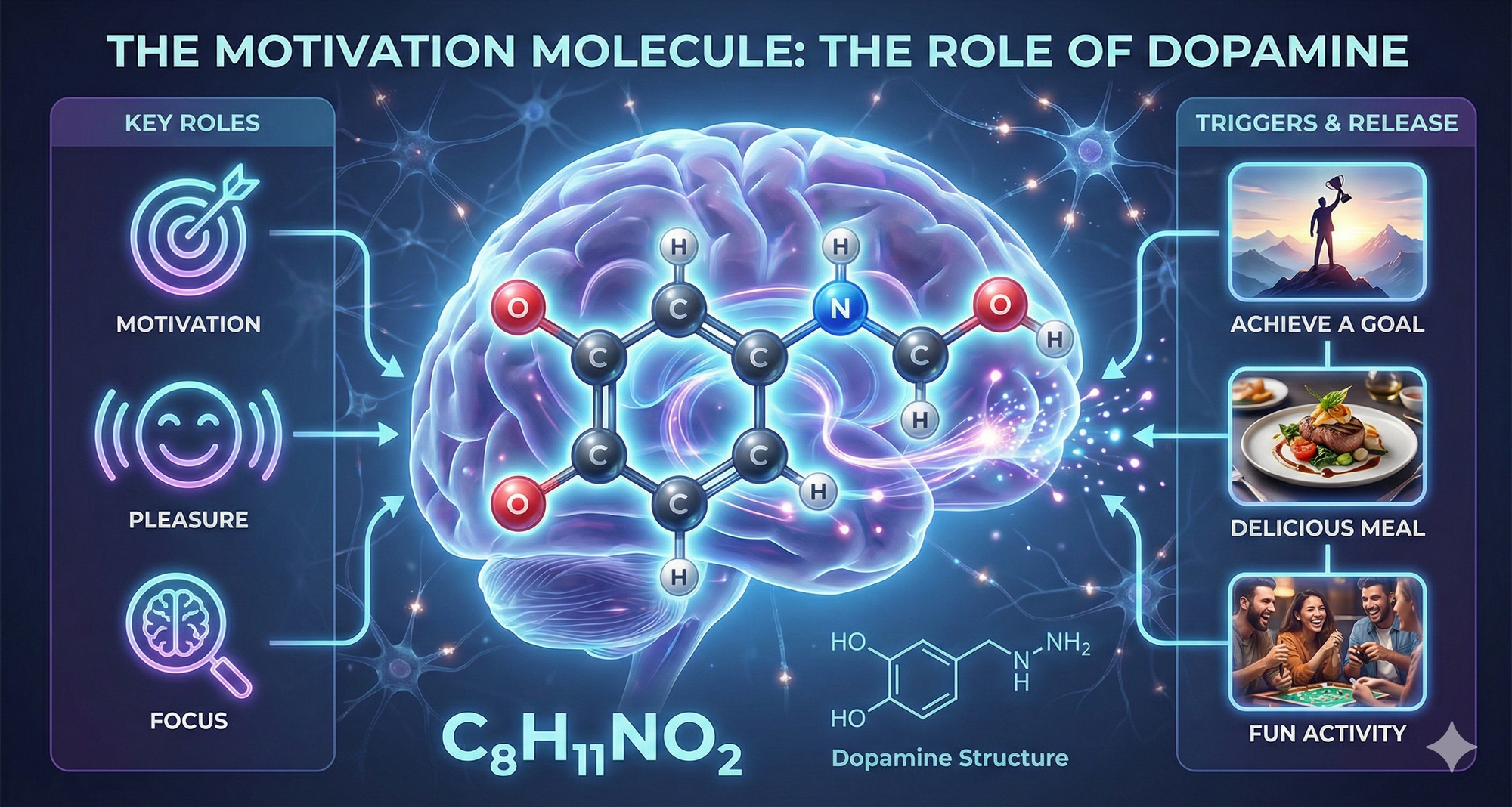
The Motivation Molecule: The Role of Dopamine
Dopamine is a neurotransmitter that plays a central role in your brain's reward system. It's associated with motivation, pleasure, and focus. When you achieve a goal, eat a delicious meal, or engage in a fun activity, your brain releases dopamine, which makes you feel good and encourages you to repeat the behavior.
How Dopamine Drives Your Habits and Desires
This powerful hormone is the driving force behind your ambitions and desires. It's what gets you out of bed to pursue a goal and what helps you focus on a task. A healthy level of dopamine is essential for learning, planning, and productivity. It's the engine of your internal motivation system.
The Dangers of "Dopamine Chasing"
In our modern world of instant gratification, it's easy to fall into a "dopamine trap." Activities like scrolling through social media, eating sugary foods, or online shopping provide quick, easy hits of dopamine. Over time, this can desensitize your brain's reward pathways, making it harder to find motivation for less immediately gratifying, long-term goals.
Symptoms of Low Dopamine
- Low motivation and procrastination
- Feelings of apathy or hopelessness
- Difficulty experiencing pleasure (anhedonia)
- Fatigue and low energy
- Poor concentration and memory
The Feel-Good Chemical: Unpacking Serotonin
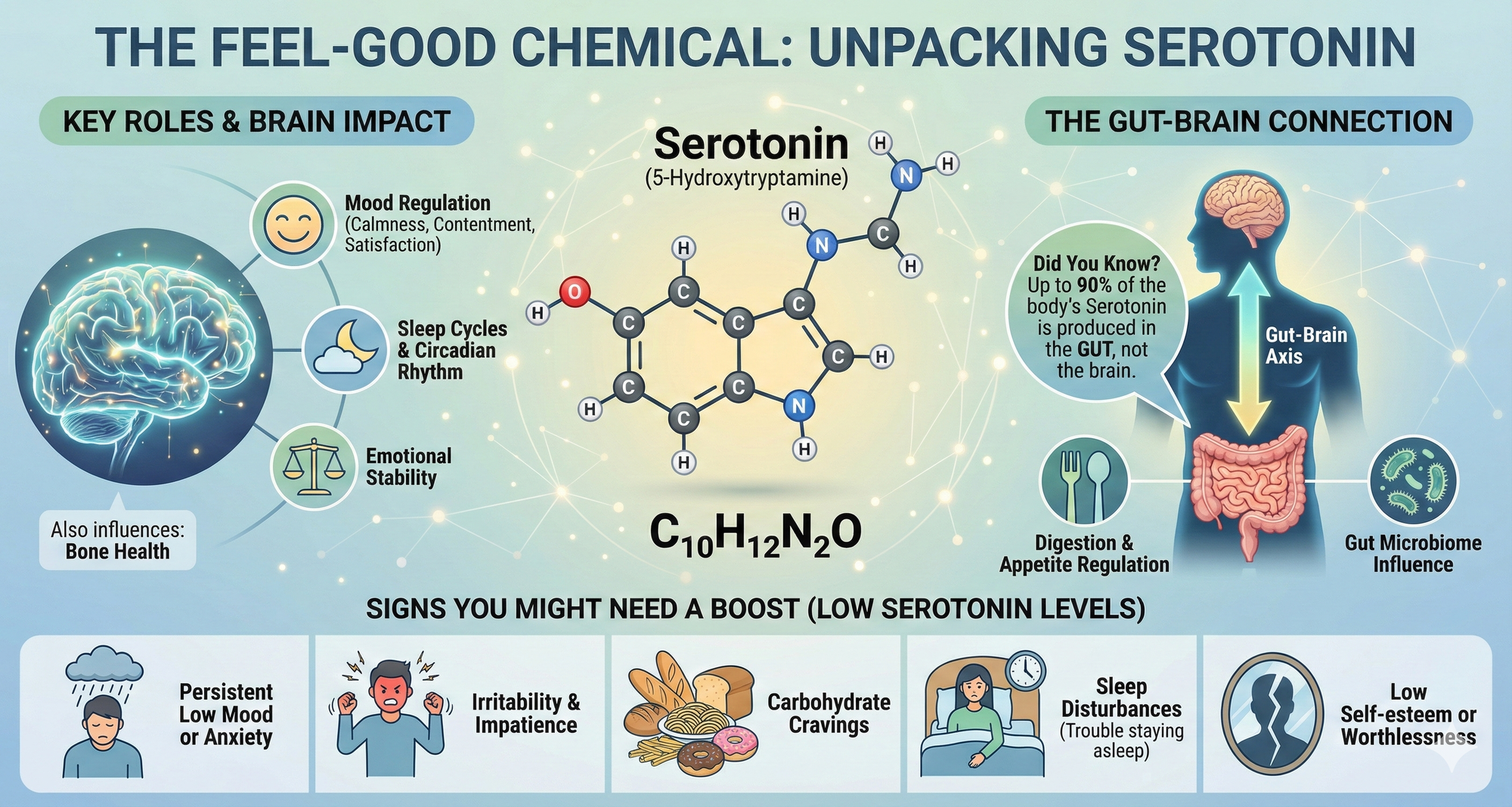
Often called the "happiness hormone," serotonin is another critical neurotransmitter that significantly impacts your mood, emotional well-being, and sleep. It promotes feelings of calmness, contentment, and satisfaction.
More Than Just Mood: Serotonin's Many Jobs
While famous for its role in mood regulation, serotonin's influence is far-reaching. It also helps regulate appetite, digestion, sleep cycles, and bone health. Balanced serotonin levels are key for emotional stability and a positive outlook on life.
The Gut-Brain Connection and Serotonin
Interestingly, up to 90% of your body's serotonin is produced in your gut, not your brain. This highlights the critical gut-brain axis—a healthy digestive system is directly linked to a healthy mind and balanced mood. Your diet and gut microbiome play a massive role in your serotonin production.
Signs You Might Need a Serotonin Boost
- Persistent low mood or feelings of anxiety
- Irritability and impatience
- Carbohydrate cravings
- Sleep disturbances, particularly trouble staying asleep
- Low self-esteem or feelings of worthlessness
The Interplay: How These Hormones Work Together
Cortisol, dopamine, and serotonin don't operate in a vacuum. They are constantly interacting and influencing one another, creating a delicate dance that dictates how you feel and function.
The Cortisol-Serotonin Seesaw
Chronic stress and high cortisol can directly deplete your serotonin levels. This is why prolonged periods of stress often lead to anxiety, irritability, and low mood. Managing cortisol is a prerequisite for maintaining healthy serotonin.
Dopamine's Role in a Stressed-Out World
When you're chronically stressed, your brain may seek out quick dopamine hits to counteract the negative feelings caused by high cortisol. This can lead to unhealthy coping mechanisms like stress-eating sugary foods or excessive online activity, further disrupting your hormonal balance.
Practical Strategies for Hormonal Harmony
The good news is that you have significant control over your hormonal health through your daily choices. By implementing simple, consistent lifestyle changes, you can support your body's natural ability to produce and regulate these crucial hormones.
Diet and Nutrition Tips
- Eat a Whole-Foods Diet: Focus on lean proteins, complex carbohydrates, and healthy fats. Tryptophan (found in turkey, eggs, and nuts) is a precursor to serotonin, while tyrosine (in almonds, bananas, and avocados) is needed for dopamine.
- Support Your Gut: Incorporate probiotic-rich foods like yogurt, kefir, and sauerkraut to support the gut microbiome, which is essential for serotonin production.
- Balance Blood Sugar: Avoid sugary snacks and refined carbs that cause spikes and crashes in blood sugar, which in turn stresses your cortisol response.
Lifestyle and Exercise Habits
- Prioritize Sleep: Aim for 7-9 hours of quality sleep per night. Poor sleep is a major stressor that dramatically impacts cortisol and other hormones.
- Move Your Body Regularly: Consistent moderate exercise is proven to boost serotonin and dopamine while helping to regulate cortisol. Find an activity you enjoy.
- Get Morning Sunlight: Exposure to natural light shortly after waking helps anchor your body's circadian rhythm and supports a healthy cortisol curve.
Mind-Body Practices for Stress Reduction
- Mindfulness or Meditation: Just 10-15 minutes of daily meditation can significantly lower cortisol levels and improve your resilience to stress.
- Practice Gratitude: Making a conscious effort to acknowledge things you're grateful for can boost both dopamine and serotonin.
- Deep Breathing: When you feel stressed, take a few slow, deep belly breaths. This simple action activates your parasympathetic nervous system, telling your body it's safe and lowering cortisol.
Conclusion
Your hormones—especially cortisol, dopamine, and serotonin—are the silent architects of your daily experience. By understanding their roles and the interplay between them, you can move from being a passenger to the driver of your own wellbeing.
You don’t need a complete life overhaul. Start by choosing one small, manageable strategy from this guide and practice it consistently. Balancing your hormones is a journey, and every positive step forward contributes to a healthier, happier you.