Financial Wellness Beyond Numbers
In a world obsessed with numbers, it’s easy to believe that financial success is all about the size of your bank account, the returns on your investments, or the zero-balance on your credit card statements. But what if we told you that true financial wellness goes far beyond these numerical milestones? It’s a deeper, more holistic concept that intertwines your financial health with your emotional and psychological well-being. This article will guide you through the journey of discovering what financial wellness beyond the numbers truly means and how you can cultivate it in your own life.
What is Financial Wellness, Really?
At its core, financial wellness is the feeling of security and confidence you have about your financial future. It’s not about being rich; it’s about having a healthy relationship with money where you feel in control, prepared for the unexpected, and free to make choices that allow you to enjoy life. This modern understanding of financial wellness shifts the focus from mere accumulation of wealth to a state of being where your finances contribute to, rather than detract from, your overall happiness and life satisfaction.
The Emotional Side of Money
Our relationship with money is rarely just about logic and spreadsheets; it’s deeply emotional. Financial anxiety, stress, and even shame are common feelings that can have a significant impact on our mental and physical health, as well as our relationships. Understanding the emotional side of money is the first step towards a healthier financial life.
Here are some common emotional money traps:
- Impulse Spending: Buying things you don't need to temporarily boost your mood.
- Keeping Up with the Joneses: Spending money to project an image of success, often driven by social comparison.
- Financial Avoidance: Ignoring financial problems or avoiding looking at your bank statements due to anxiety or fear.
- Guilt-Driven Spending: Overspending on others out of a sense of guilt or obligation.
Aligning Your Finances with Your Values
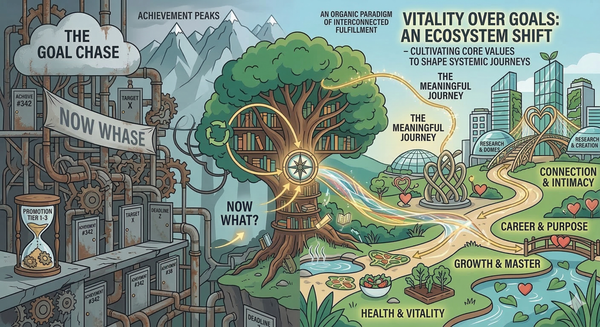
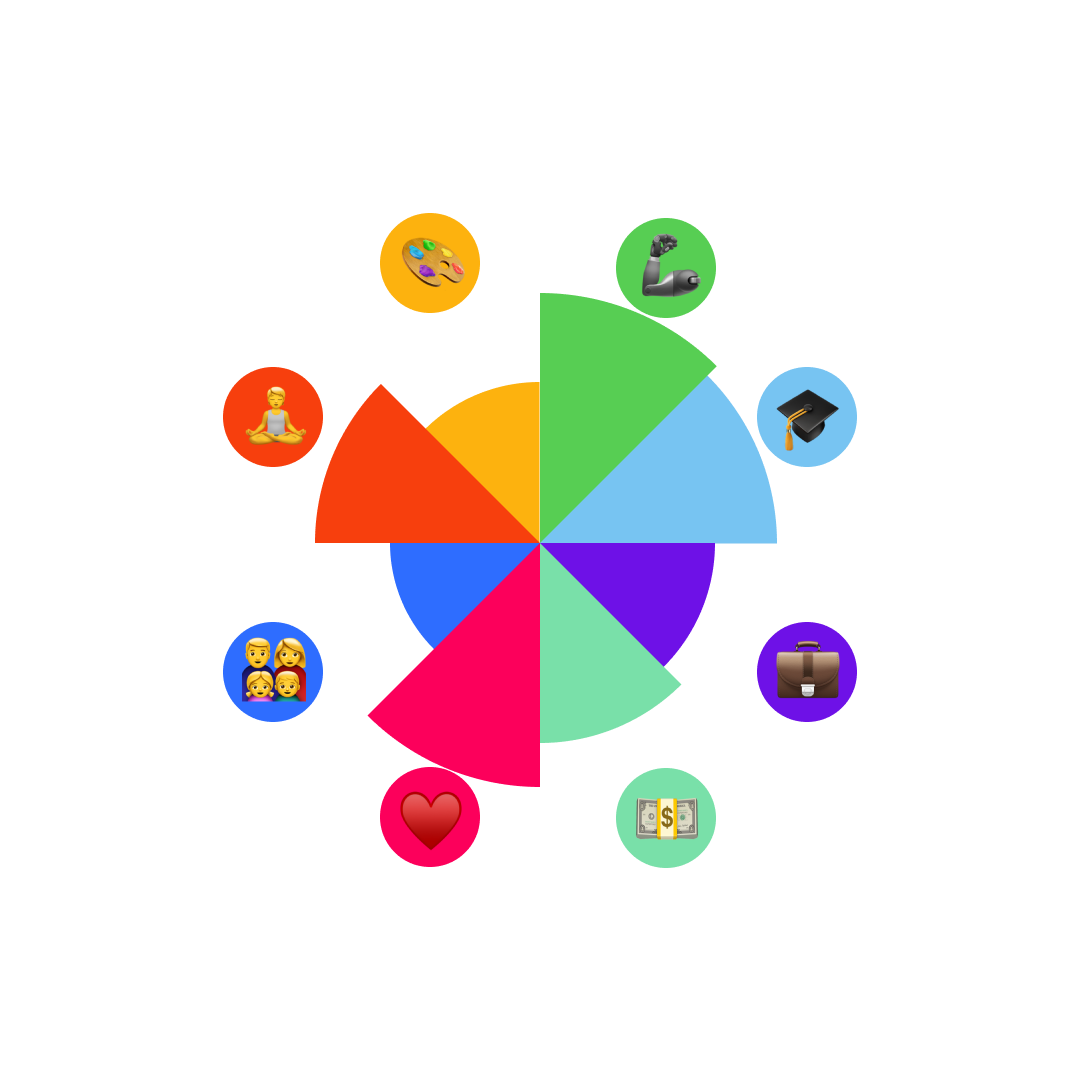
One of the most powerful ways to achieve financial wellness is to align your financial decisions with your core values. When your spending and saving habits reflect what is truly important to you, you create a sense of purpose and fulfillment that no amount of money can buy.
Here’s how you can start aligning your finances with your values:
- Identify Your Core Values: Take some time to reflect on what matters most to you in life. Is it family, freedom, security, creativity, or personal growth?
- Analyze Your Spending: Review your recent bank and credit card statements. How much of your spending aligns with your identified values?
- Create a Value-Based Budget: Design a budget that prioritizes spending on things that align with your values and cuts back on those that don’t.
- Set Meaningful Financial Goals: Your financial goals should be an extension of your values. Instead of a generic goal like "save more money," aim for something specific like "save for a down payment on a house to create a stable home for my family."
Practical Steps to Cultivate Financial Wellness
Cultivating financial wellness is an ongoing practice, not a one-time fix. Here are some practical steps you can take to build a healthier, more positive relationship with your money.
Mindful Spending and Budgeting
Mindful spending is the practice of being aware and intentional with your money. It’s about making conscious choices that are in line with your goals and values, rather than mindlessly swiping your card. A mindful budget is not about restriction; it’s about empowerment. It’s a plan that gives you permission to spend on the things you love while ensuring your financial future is secure.
Building a Healthy Relationship with Debt
Debt can be a heavy psychological burden, but it doesn’t have to control your life. The key is to build a healthy relationship with debt by understanding it and creating a clear plan to manage it. There are several strategies for debt reduction, each with its own pros and cons, such as the "debt snowball" (paying off smallest debts first for psychological wins) and the "debt avalanche" (paying off debts with the highest interest rates first to save money). The best strategy is the one you can stick with consistently. Remember, the goal is not just to be debt-free, but to feel in control of your debt.
Investing in Your Financial Education
Financial literacy is the foundation of financial wellness. The more you know about personal finance, the more confident you will be in your decisions. Investing in your financial education is one of the best investments you can make.
Here are some resources to get you started:
- Books: "Your Money or Your Life" by Vicki Robin and Joe Dominguez, "The Simple Path to Wealth" by JL Collins.
- Podcasts: Planet Money, The Ramsey Show, Afford Anything.
- Online Courses: Coursera and edX offer numerous free and paid courses on personal finance and investing.
By continuously learning, you empower yourself to navigate the complexities of the financial world with confidence and wisdom.
Conclusion
Financial wellness is a deeply personal journey that goes far beyond the numbers in your bank account. It’s about creating a life where you feel secure, empowered, and positive about your relationship with money. By understanding the emotional side of your finances, aligning your spending with your values, and taking practical steps to build healthy financial habits, you can achieve a state of well-being that enriches every aspect of your life. Start today by choosing one small step from this guide and begin your journey towards a more holistic and fulfilling financial future.