
Fermented Foods: Sauerkraut vs Kimchi
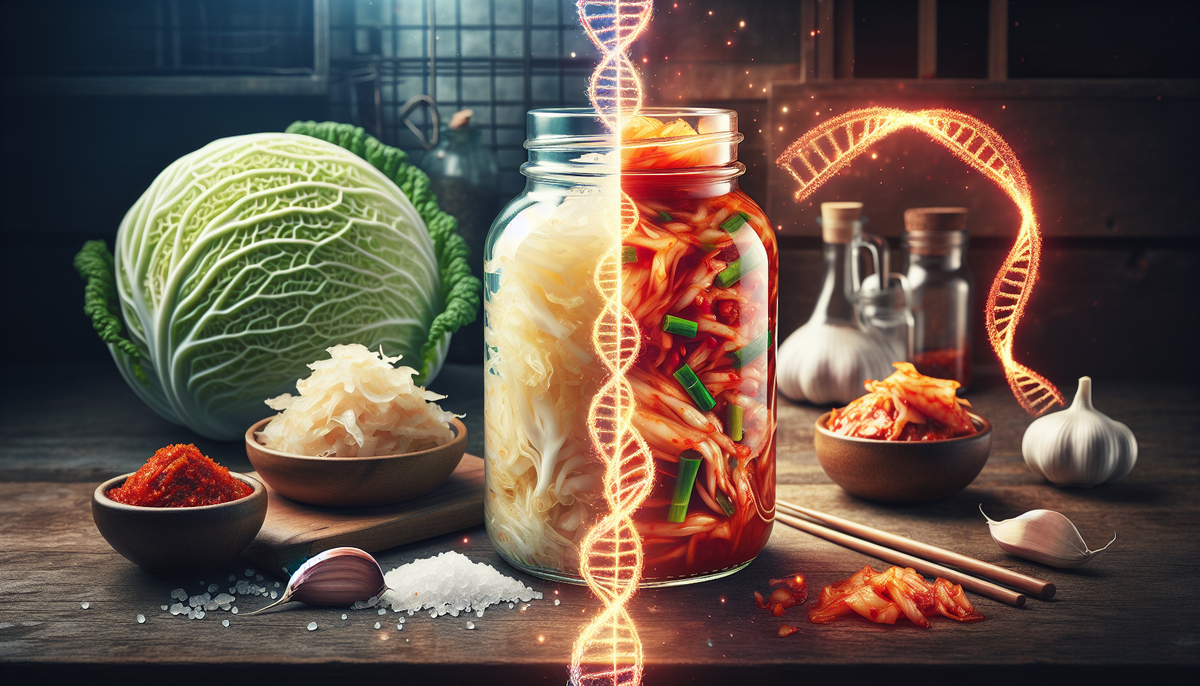
In the world of superfoods, few contenders are as celebrated for their health benefits as fermented foods. Among them, two cabbage-based titans stand out: sauerkraut and kimchi. Both have a rich history and a devoted following, but they are not the same.
This article will dive deep into the differences between sauerkraut vs kimchi, exploring their impact on your Health sphere, from gut health to immune support, to help you decide which one deserves a place on your plate.
The Power of Fermented Foods for Your Health
Before we pit these two heavyweights against each other, it's essential to understand the foundation of their power: fermentation. This ancient preservation technique is responsible for creating the probiotics and enhancing the nutritional value that makes these foods so beneficial.
What Are Fermented Foods?
Fermented foods are foods and beverages that have undergone controlled microbial growth and enzymatic conversions of food components. In simpler terms, beneficial microorganisms like bacteria and yeast break down the sugars in the food, creating lactic acid, which preserves the food and creates a host of beneficial compounds, including probiotics.
The Gut Microbiome: Your Body's Inner Ecosystem
Your gut is home to trillions of microorganisms, collectively known as the gut microbiome. This inner ecosystem is crucial for your overall health, influencing everything from digestion and nutrient absorption to mood and immune function. A healthy gut microbiome is diverse and balanced, and consuming probiotic-rich foods is one of the best ways to support it.
How Fermented Foods Boost Your Immune System
A significant portion of your immune system is located in your gut. By promoting a healthy gut microbiome, fermented foods directly support your immune system. The probiotics in foods like sauerkraut and kimchi help strengthen the gut barrier, preventing harmful pathogens from entering your bloodstream and reducing inflammation.
Sauerkraut: The Classic Fermented Cabbage
Sauerkraut is a finely cut raw cabbage that has been fermented by various lactic acid bacteria. It has a distinctly sour flavor and a long history in European, particularly German, cuisine.
Composition and Key Nutrients
The beauty of traditional sauerkraut lies in its simplicity. It's typically made from just two ingredients: shredded cabbage and salt. This minimalist approach allows the natural bacteria on the cabbage to work their magic. Nutritionally, it is an excellent source of:
- Vitamin C: A powerful antioxidant that supports the immune system.
- Vitamin K2: Important for bone and heart health.
- Fiber: Promotes healthy digestion.
- Probiotics: Live bacteria that support gut health.
The Fermentation Process of Sauerkraut
During sauerkraut fermentation, salt is used to draw water out of the cabbage, creating a brine. The cabbage is then submerged in this brine, creating an anaerobic (oxygen-free) environment where beneficial lactic acid bacteria can thrive and ferment the sugars in the cabbage.
Documented Health Benefits of Sauerkraut
Sauerkraut's health benefits are well-documented. Regular consumption can lead to:
- Improved digestion and reduced symptoms of bloating and gas.
- Enhanced nutrient absorption due to a healthier gut lining.
- A stronger immune response.
- Potential improvements in mental health through the gut-brain axis.
Kimchi: The Spicy Korean Superfood
Kimchi is a traditional Korean side dish made from fermented vegetables, most commonly napa cabbage and Korean radishes, with a variety of seasonings including gochugaru (chili powder), scallions, garlic, ginger, and jeotgal (salted seafood).
Composition and Key Nutrients
Kimchi's complex ingredient list results in a complex flavor profile and a broader range of nutrients compared to sauerkraut. In addition to the benefits from fermented cabbage, kimchi provides:
- Vitamins A and C: From the chili powder and vegetables.
- Antioxidants: Garlic and ginger provide potent antioxidant and anti-inflammatory compounds.
- A wider range of probiotics: Due to the diverse ingredients used in its preparation.
The Fermentation Process of Kimchi
The fermentation process for kimchi is similar to sauerkraut but more elaborate. The cabbage is first salted and then rinsed before being coated with a paste made from the other ingredients. This mixture is then packed into jars to ferment. The diverse ingredients contribute to a more complex and varied population of tôi.
Documented Health Benefits of Kimchi
Kimchi is celebrated in Korean culture for its health-giving properties. Research has linked kimchi consumption to:
- Reduced cholesterol and improved heart health.
- Stronger anti-inflammatory effects due to ingredients like ginger and garlic.
- Enhanced brain health and cognitive function.
- Aiding in weight management by boosting metabolism.
Sauerkraut vs. Kimchi: A Head-to-Head Comparison
So, which one should you choose? Both are fantastic additions to a healthy diet, but they have key differences that might make one a better choice for you depending on your health goals and palate.
Probiotic Profile
Both are excellent sources of probiotics, but kimchi generally has a more diverse range of beneficial bacteria due to its wider array of ingredients. If your primary goal is to maximize the diversity of your gut microbiome, kimchi may have a slight edge.
Nutritional Value
While both are rich in nutrients, kimchi's additional ingredients give it a nutritional boost. It often contains more vitamins and minerals, particularly Vitamin A and antioxidants from the spicy paste. However, sauerkraut is a more concentrated source of Vitamin K2.
Taste and Culinary Uses
This is where personal preference plays a significant role. Sauerkraut has a clean, sour taste that pairs well with rich, savory foods like sausages and pork. Kimchi has a complex flavor profile—spicy, sour, and umami—that makes it a versatile ingredient in everything from fried rice to stews and pancakes.
Conclusion: Which Fermented Superfood Is Right for You?
In the battle of sauerkraut vs kimchi, there is no single winner. Both are powerful superfoods that can significantly enhance your Health sphere. The best choice ultimately depends on your individual needs and taste preferences.
If you prefer a milder, sour flavor and are looking for a simple, effective probiotic source, sauerkraut is an excellent choice. If you enjoy bold, spicy flavors and want the added nutritional and anti-inflammatory benefits of ingredients like garlic and ginger, kimchi is the clear winner. The most important thing is to choose one (or both!) and start incorporating these fantastic fermented foods into your diet. Your gut will thank you.