Earning Money Without Betraying Your Values
Earning Money Without Betraying Your Values
In a world driven by profit and productivity, the question of how to make a living without sacrificing our principles has never been more urgent. Many of us feel a growing disconnect between our work and our values, leading to a sense of moral compromise. This article explores how you can align your financial life with your ethical commitments, offering strategies for both individual and collective action.
What Does It Mean to ‘Betray Your Values’ in Business?
The idea of '''betraying your values''' can feel abstract, but it often translates into concrete, everyday dilemmas. It'''s the pressure to mislead a customer, to stay silent about unethical practices, or to work for a company whose mission you fundamentally oppose. Understanding what it means to compromise your values is the first step toward avoiding it.
Identifying Your Core Values
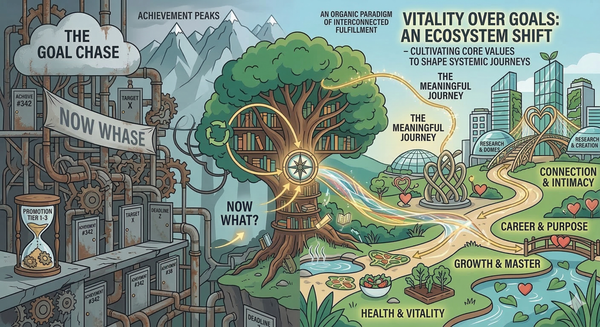
Before you can live by your values, you must know what they are. Core values are your fundamental beliefs, the principles that guide your decisions and actions. Take time to reflect on what truly matters to you. Is it honesty, compassion, environmental sustainability, or social justice? Write them down and consider how they apply to your professional life.
Common Ethical Dilemmas in the Workplace
Ethical dilemmas are rarely black and white. You might be asked to cut corners on a project to meet a deadline, to promote a product with known flaws, or to participate in a corporate culture that clashes with your beliefs. These situations test our integrity and force us to choose between our values and our job security.
The Psychology of Moral Compromise
Psychologists have long studied the phenomenon of moral compromise, often referred to as '''ethical fading''' or '''moral disengagement'''. This is the process by which we slowly begin to accept and justify unethical behavior, often due to external pressures or a desire to fit in. Recognizing these psychological traps is key to resisting them.
Strategies for Earning Money Ethically
Fortunately, there are many ways to earn a living that don'''t require you to sell your soul. From finding a value-aligned job to starting your own ethical business, the opportunities for meaningful work are growing.
Finding or Creating a Value-Aligned Career
Seek out employers who share your values. Look for companies with strong ethical commitments, transparent practices, and a positive impact on the world. Platforms like B Work and 80,000 Hours can help you find organizations dedicated to social and environmental good. If you can'''t find the right fit, consider creating your own value-aligned career as a consultant or entrepreneur.
The Rise of Social Entrepreneurship and B-Corps
Social entrepreneurship is a powerful model for creating businesses that prioritize purpose over profit. These are companies that are designed to solve social or environmental problems, with their mission at the core of their business model. Certified B Corporations are a great example of this, as they meet rigorous standards of social and environmental performance, accountability, and transparency.
Ethical Side Hustles and Freelancing
If you'''re not in a position to change your primary job, you can still earn money ethically through side hustles and freelancing. Offer your skills to non-profits, ethical businesses, or causes you believe in. This can be a great way to supplement your income while making a positive impact.
Beyond Individual Action: Systemic Change and Ethical Economies
While individual choices are important, they are not enough to create a truly ethical economy. We must also work together to change the systems that incentivize profit at the expense of people and the planet.
The Limits of ‘Conscious Consumerism’
'''Voting with your dollar''' has its limits. While it can send a signal to a market, it cannot address the root causes of unethical behavior in business. Greenwashing and deceptive marketing are common, making it difficult for consumers to make truly informed choices. Moreover, not everyone has the financial means to afford '''ethical''' products.
Supporting and Building Alternative Economic Models
To create a more just and sustainable world, we must support and build economic models that are not based on exploitation and extraction. This includes supporting cooperatives, credit unions, and local businesses that are accountable to their communities, not just to shareholders.
Advocacy and Policy Change for a More Ethical Economy
Ultimately, systemic change requires collective action and political will. We must advocate for policies that protect workers''' rights, hold corporations accountable for their environmental and social impact, and promote a more equitable distribution of wealth.
Conclusion
Earning money without betraying your values is not just a lofty ideal; it'''s a practical and achievable goal. It requires a combination of self-reflection, intentional action, and a commitment to systemic change. By aligning our work with our principles, we can not only find greater fulfillment in our own lives but also contribute to a more just and sustainable world for all. The journey begins with a single step, so what will yours be?