
Can Diet Drinks Help You Lose Weight? What a 143,000-Person Harvard Study Reveals
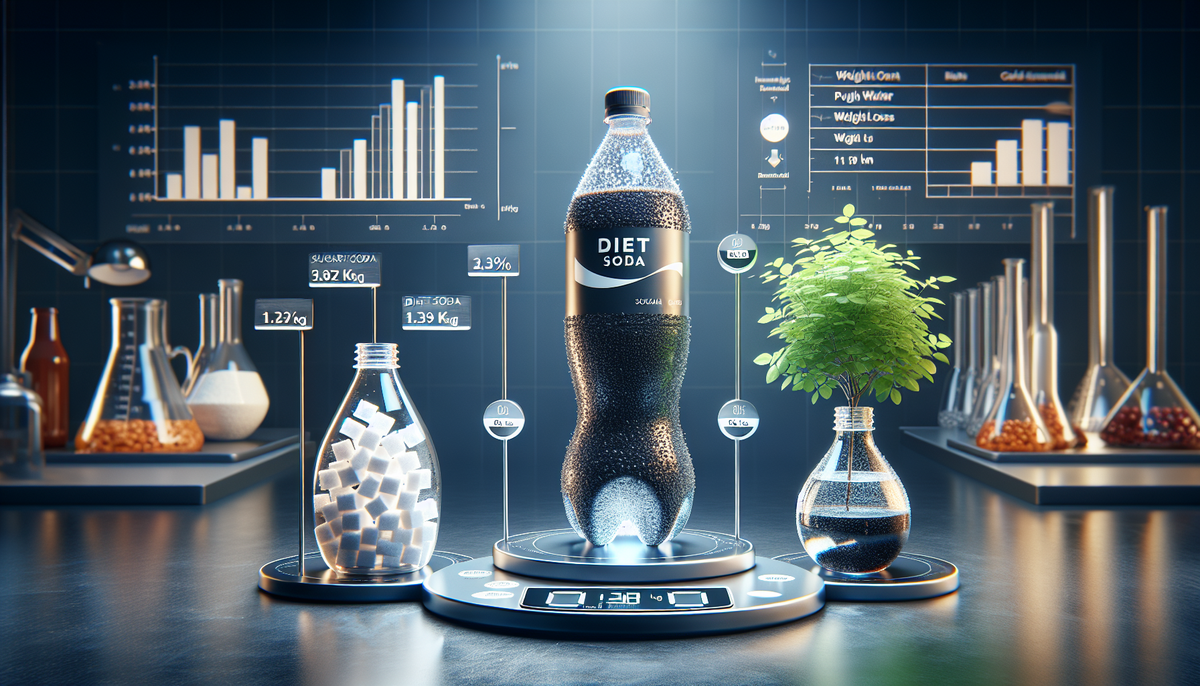
If you've ever swapped a regular soda for a diet version and wondered whether it actually makes a difference, you're not alone. Billions of diet drinks are consumed every year by people hoping the zero-calorie promise translates into real weight loss. For decades, the research gave us mixed signals — until now. A sweeping new study from Harvard T.H. Chan School of Public Health, tracking more than 143,000 adults for up to 32 years, offers the most comprehensive answer we've had yet: diet drinks can help you lose weight, but water is still the best choice you can make.
What the Harvard Study Actually Found
This landmark analysis, published in the American Journal of Clinical Nutrition, drew on data from three of the largest and longest-running health studies in the United States: the Nurses' Health Study, the Nurses' Health Study II, and the Health Professionals Follow-up Study. Together, these cohorts followed participants from the late 1980s through the 2010s, with dietary intake assessed multiple times using validated food frequency questionnaires.
The Study Design
Researchers looked specifically at what happened when participants replaced sugar-sweetened beverages — sodas, sweetened juices, energy drinks — with either artificially sweetened drinks (diet sodas, zero-calorie beverages) or plain water. The study tracked weight changes over the follow-up period and controlled for a wide range of confounding factors including age, physical activity level, total caloric intake, and smoking status.
Key Numbers
The findings showed a clear hierarchy of benefit:
- People who replaced three servings per week of sugary drinks with artificially sweetened alternatives lost an average of 1.39 kilograms over the study period.
- People who replaced sugary drinks with water lost even more weight — the highest of any substitution group.
- The weight loss benefit from diet drinks was strongest among participants who had been consuming the most sugary beverages at baseline.
- Participants who were overweight or obese at baseline saw greater absolute weight reductions than those at a healthy weight.
- The benefit diminished or disappeared entirely in those who were already light consumers of sugary drinks — suggesting that context matters enormously.
Why Diet Drinks Can Help (And Why They Often Don't)
The calorie reduction logic is straightforward: a typical 12-ounce regular soda contains around 150 calories and 40 grams of sugar. Swap that out for a zero-calorie alternative three times a week, and you're saving roughly 450 calories weekly — theoretically about 23,400 calories per year. So why don't the numbers always add up in real life?
The Calorie Math
In controlled clinical settings, the math holds reasonably well. A 52-week randomized controlled trial published in the International Journal of Obesity found that participants in a structured behavioral weight loss program who drank non-nutritive sweetened beverages maintained significantly more weight loss than those who switched to water. This suggests that in the context of an intentional program with dietary monitoring, diet drinks can be a useful tool — particularly for people who are highly attached to the flavor and ritual of sweet beverages.
The Compensation Effect
The trouble is that most people don't live inside a clinical trial. Long-term observational studies have consistently shown that the weight loss effect of diet drinks weakens dramatically outside structured programs. One major reason is the compensation effect: when the brain receives a sweet signal from an artificial sweetener but no accompanying calories, it may respond by increasing appetite and cravings for calorie-dense foods later in the day. Harvard Health research notes that people who drink diet sodas often unconsciously reward themselves with other indulgences, partially or fully offsetting the calories saved.
What Happens in Your Gut
A growing body of research has identified another mechanism: disruption of the gut microbiome. Artificial sweeteners like aspartame, saccharin, and sucralose have been shown in multiple studies to alter gut bacteria composition in ways that may reduce the body's ability to regulate blood sugar and inflammation. The World Health Organization has issued advisories recommending against the long-term use of non-sugar sweeteners as a weight management strategy, citing insufficient long-term safety evidence.
Health Risks Linked to Sugar and Artificial Sweeteners
Before judging diet drinks too harshly, it's worth remembering what they're replacing. The harms of excessive sugar consumption are among the most well-documented in nutritional science.
Proven harms of excess added sugar:
- Significant driver of weight gain and obesity, particularly visceral (abdominal) fat
- Strong independent risk factor for type 2 diabetes
- Elevates triglycerides and lowers HDL cholesterol, increasing cardiovascular disease risk
- Associated with non-alcoholic fatty liver disease
- Promotes dental cavities and tooth decay
- Contributes to chronic low-grade inflammation linked to multiple diseases
Potential concerns with artificial sweeteners (with important nuance):
- Some research links frequent long-term consumption to modest increases in cardiovascular event risk — but causality has not been established
- May alter gut microbiome composition in unfavorable ways
- Could trigger sweet cravings and increase overall caloric intake in some individuals
- The WHO's 2023 guideline recommends not using non-sugar sweeteners to control body weight or reduce disease risk
Water Is Still the Gold Standard — Here's Why
In the Harvard study, the group that replaced sugary beverages with plain water consistently came out ahead on weight loss. Water has zero calories, requires no metabolic processing, does not trigger insulin responses, does not disrupt gut bacteria, and does not perpetuate a preference for sweet flavors. Bariatric surgeon Mir Ali, MD, commented: "Avoiding sweeteners entirely by choosing plain water is the better option. This avoids the adverse effects of both sugar and artificial sweeteners and is beneficial for weight loss."
Practical Tips to Reduce Your Sugar Intake
If you're currently drinking multiple sugary beverages per day, here is a practical, graduated approach to making the transition:
- Start with sparkling water. The carbonation mimics the mouth-feel of soda. Add a squeeze of lemon or lime for flavor.
- Use diet drinks as a bridge, not a destination. Replace one soda with a diet version and one with water — then plan to phase the diet drink out over time.
- Read labels carefully. Many "natural" flavored waters contain significant amounts of added sugar or sweeteners despite their healthy image.
- Track your beverage calories for one week. Most people are surprised by how many calories come from drinks alone.
- Infuse your water with fruit or herbs. Sliced strawberries, cucumber and mint, or lemon and basil provide appealing flavor without any sweetener.
- Reduce gradually rather than cold turkey. If you drink six sugary beverages per week, aim for four next week, then two, then one.
- Identify your triggers. Many people reach for a sweet drink out of habit or stress — not actual thirst. Recognizing the cue makes it easier to substitute a different behavior.
- Make water the default. Keep a filled water bottle on your desk and visible in the fridge. Environmental design is more powerful than willpower.
Conclusion
The science says: yes, replacing sugary drinks with artificially sweetened drinks can help you lose weight — modestly, reliably, and more so if you're currently a heavy soda drinker. The Harvard study involving 143,000 people over three decades is the clearest evidence to date. But diet drinks are a stepping stone, not a solution. The research consistently shows that plain water produces the best outcomes, carries no health trade-offs, and supports long-term weight management without creating new dependencies. Start where you are — and keep water as the goal.
Sources
Can Artificially-Sweetened Drinks Help You Lose Weight? — Healthline