A Life Rhythm That Prevents Burnout

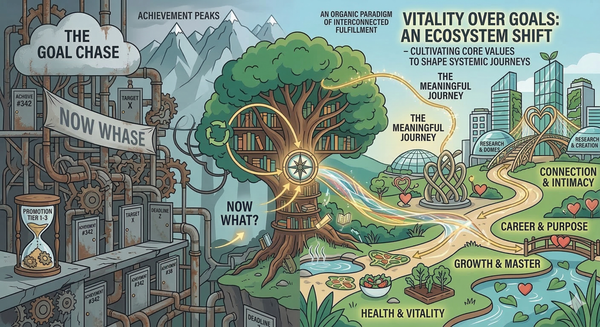
In the relentless pursuit of career success, many of us chase the elusive ideal of work-life balance. We picture a perfectly even scale, with work on one side and life on the other, never realizing it's a precarious state that rarely lasts. But what if we approached it differently? Instead of a balancing act, what if we cultivated a life rhythm—an intentional, sustainable flow between our professional ambitions and personal well-being? This rhythm is not about perfect equilibrium, but about creating a harmonious pattern that prevents burnout and builds a career that lasts.
What is a Life Rhythm and Why Does it Matter?
A life rhythm is a conscious, personalized pattern for how you manage your energy, time, and priorities. Unlike work-life balance, which often pits two domains against each other, a life rhythm integrates them into a single, cohesive whole. It acknowledges that some days will be work-heavy and others will be focused on rest or family, but the overall pattern is designed for long-term sustainability and fulfillment. This approach is more effective because it focuses on your personal capacity and well-being as the engine for your career, rather than treating them as an afterthought.
Beyond Balance: Moving from a Scale to a Symphony
Think of work-life balance as a scale you're constantly trying to keep level—a stressful and fragile task. A life rhythm, in contrast, is like a symphony. You are the conductor, and your various responsibilities (work, health, relationships, rest) are the instruments. Each has its part to play, sometimes loud, sometimes quiet, but they all work together to create a beautiful and complex piece of music. This mindset shifts the goal from mere balance to holistic harmony.
The Science of Routines and Well-being
Our brains and bodies thrive on routine. Predictable patterns, or rhythms, help regulate our circadian biology, reduce cognitive load, and lower stress. When you establish a consistent rhythm for sleeping, eating, working, and resting, you create a foundation of stability. This stability acts as a powerful buffer against the chronic stress that leads to burnout, giving you the mental and physical resources needed to navigate challenges without depleting your reserves.
Recognizing the Warning Signs of Rhythmic Disruption
Burnout doesn't happen overnight. It's a gradual creep of exhaustion and disillusionment that signals your life rhythm is dangerously out of sync. Recognizing the early signs is the first step toward course correction. Ignoring them is like ignoring the engine warning light in your car—eventually, you'll break down. Pay attention to these key indicators of burnout:
- Physical Exhaustion: Feeling tired most of the time, regardless of how much you sleep. You might also experience frequent headaches, muscle pain, or changes in sleep patterns.
- Emotional Cynicism and Detachment: Feeling increasingly negative, critical, or cynical about your job and colleagues. You may feel emotionally distant from your work and derive little to no satisfaction from your accomplishments.
- Reduced Professional Efficacy: A persistent feeling of ineffectiveness. Tasks that once felt manageable now seem overwhelming, productivity declines, and it becomes difficult to concentrate or be creative.
How to Design Your Personal Life Rhythm
Creating a life rhythm is a proactive and empowering process of self-design. It’s about building a structure that serves you, rather than letting your calendar control you. Follow these four steps to build your own.
Step 1: Audit Your Energy and Time
For one week, track not just how you spend your time, but how you feel. Note when you have the most energy and when you feel drained. Identify what activities replenish you and which ones deplete you. This audit provides the crucial data you need to build a genuinely personal and effective rhythm.
Step 2: Identify Your Core Priorities (Work and Life)
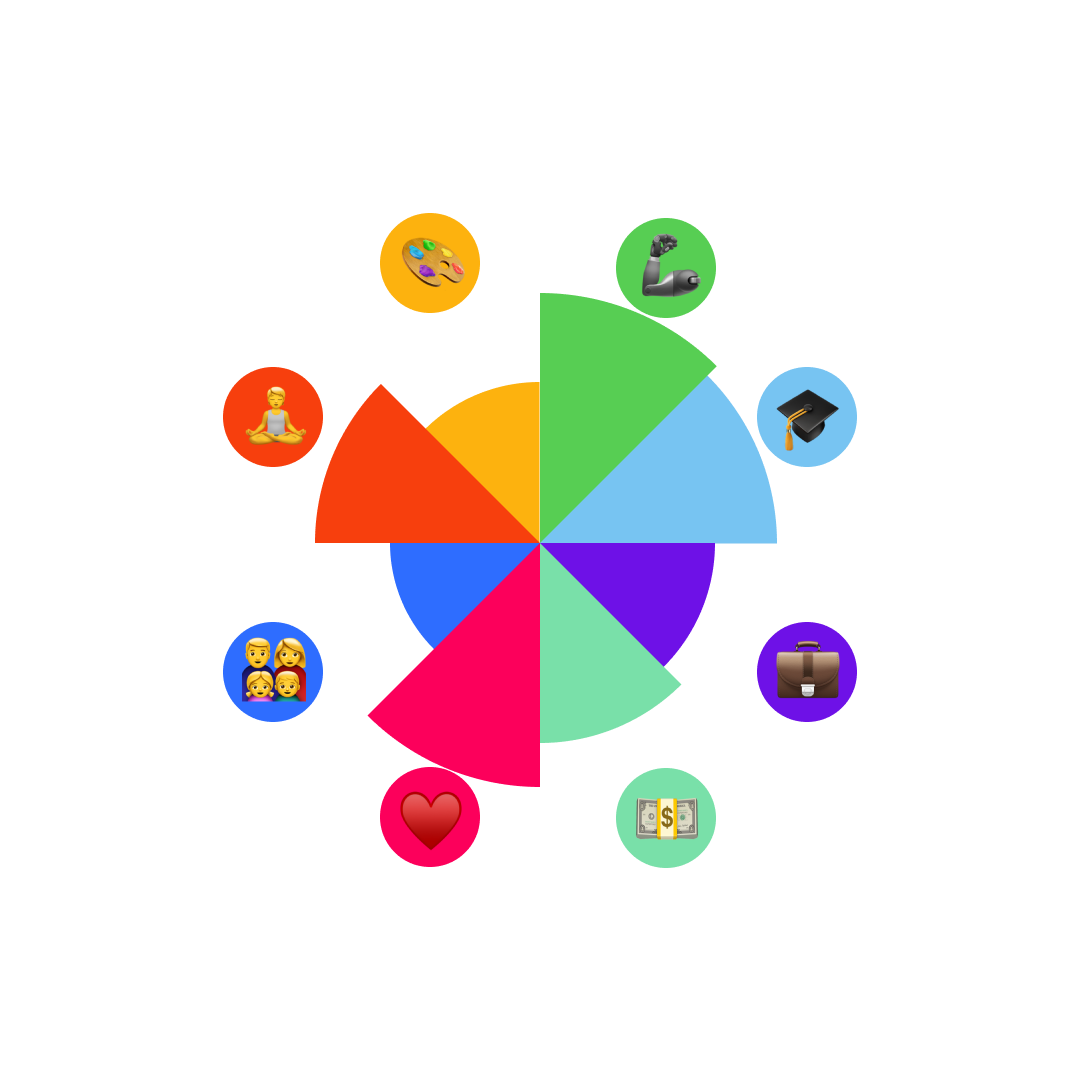
What truly matters to you? Define your top 3-5 priorities across all areas of your life, including your career, health, relationships, and personal growth. These are your 'Big Rocks.' A sustainable life rhythm ensures that these priorities always have a dedicated space in your schedule, preventing them from being crowded out by urgent but unimportant tasks.
Step 3: Block Your 'Big Rocks' First
When you plan your week, schedule your 'Big Rocks' before anything else. This includes not just critical work projects, but also non-negotiable personal time, such as exercise, family dinners, or quiet time for reading. By securing these first, you ensure your actions align with your values.
Step 4: Integrate Intentional Rest and Restoration
Rest is not a luxury; it's a biological necessity and a critical component of a healthy rhythm. Schedule downtime with the same seriousness you schedule meetings. This includes micro-breaks during the day, weekly activities that have nothing to do with work, and longer vacations. True restoration is an active process, not just the absence of work.
Practical Rhythms for a Sustainable Career
Applying the concept of rhythm to your professional life can transform your productivity and job satisfaction. It’s about working smarter, not just harder, and building a career that energizes you.
The Rhythm of the Day: Structuring Your Workday for Peak Performance
Align your tasks with your natural energy flow. Tackle your most demanding, high-concentration work during your peak energy hours (for many, this is the morning). Save administrative tasks, emails, and meetings for your lower-energy periods. This simple change ensures you bring your best self to your most important work.
The Rhythm of the Week: Creating a Sustainable Cadence
Design a weekly template that provides structure but allows for flexibility. For example, you might dedicate Mondays to planning and deep work, keep Wednesdays meeting-free, and reserve Fridays for wrapping up tasks and professional development. This creates a predictable cadence that reduces decision fatigue and helps you maintain momentum without burning out.
The Rhythm of the Year: Planning for Growth and Recovery
Zoom out and consider the entire year. Plan your major projects and goals, but also proactively schedule your vacations and downtime. Building in these larger periods of recovery ensures you have something to look forward to and allows you to fully disconnect, coming back to work recharged and with a fresh perspective. Don't forget a daily 'shutdown ritual':
- Review and Plan: Take 10 minutes to review what you accomplished and quickly plan your top priorities for the next day.
- Organize Your Space: Tidy your physical and digital desk. Closing tabs and putting away papers creates a sense of closure.
- Communicate Your Departure: Log off team chat and set your status to 'away.' This clearly signals your workday is over.
- Do Something Intentional: Mark the transition with a clear action—closing your office door, listening to a specific song on your commute, or taking a short walk.
Conclusion: Your Career is a Marathon, Not a Sprint
Burnout is often the result of treating a career like an endless series of sprints. Adopting a life rhythm is the strategic shift to a marathon mindset. It’s about recognizing that sustainability is the key to longevity and that your personal well-being is not in competition with your professional success—it's the very foundation of it. Start today. Take one small step to define your rhythm. Block 30 minutes in your calendar this week for an activity that restores you. That single, intentional act is the first beat in a more harmonious, fulfilling, and sustainable career.